
Gilder Center Blends Science and Architecture in NYC
Jan Chrisann Edward
Nearly three years after opening, the Gilder Center’s architectural showpiece continues to blend science, design and immersive storytelling.
A Landmark of Modern Museum Design
The Richard Gilder Center for Science, Education, and Innovation at the American Museum of Natural History remains one of New York City’s most striking cultural additions. Since opening in May 2023, the building has attracted both science enthusiasts and design lovers.
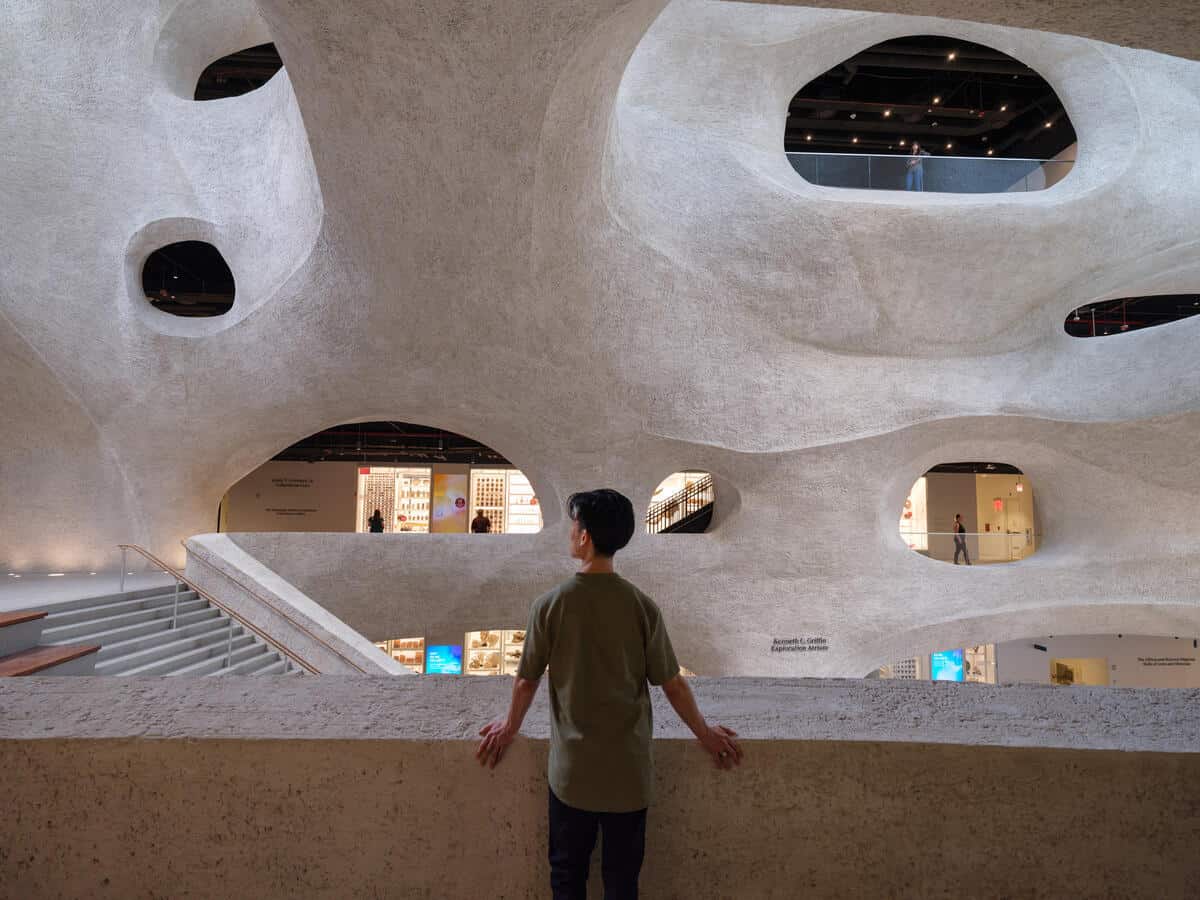
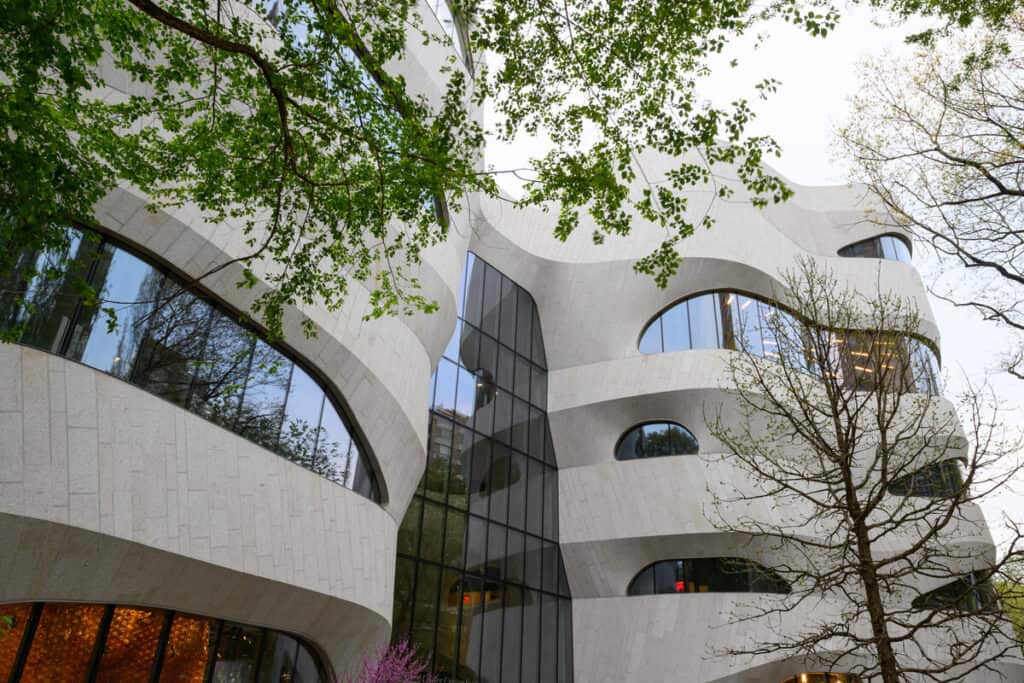
Renowned architect Jeanne Gang designed the structure with her firm Studio Gang. Together, they created a 230,000-square-foot building that reimagines how a museum can feel. Its flowing façade of Milford pink granite and bird-safe glass blends with the historic campus. As a result, the building connects visually with the museum’s older architecture.
Inside, the five-story Kenneth C. Griffin Exploration Atrium opens into sweeping, canyon-like curves. The design draws inspiration from natural rock formations. At the same time, the dramatic space fills with natural light. Consequently, visitors immediately feel a sense of scale and discovery.

Reimagining the Visitor Experience
Beyond its visual impact, the Gilder Center changes how visitors move through the museum. The building creates 33 connections between ten structures on the campus. Because of these links, guests can now travel easily from Columbus Avenue to Central Park West.
The design also encourages exploration. Bridges, openings, and staircases reveal galleries across several levels. As visitors move through the building, they encounter exhibitions in unexpected ways. In turn, the architecture itself becomes part of the experience.
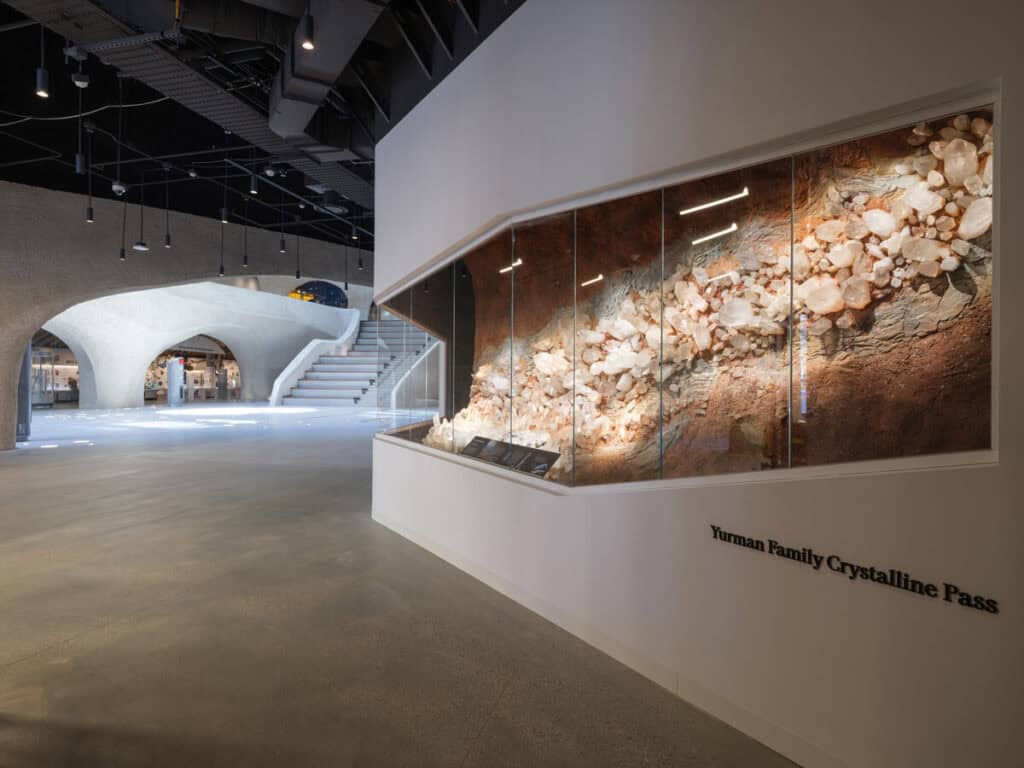
Photo: Iwan Baan
Exhibitions That Bring Science to Life
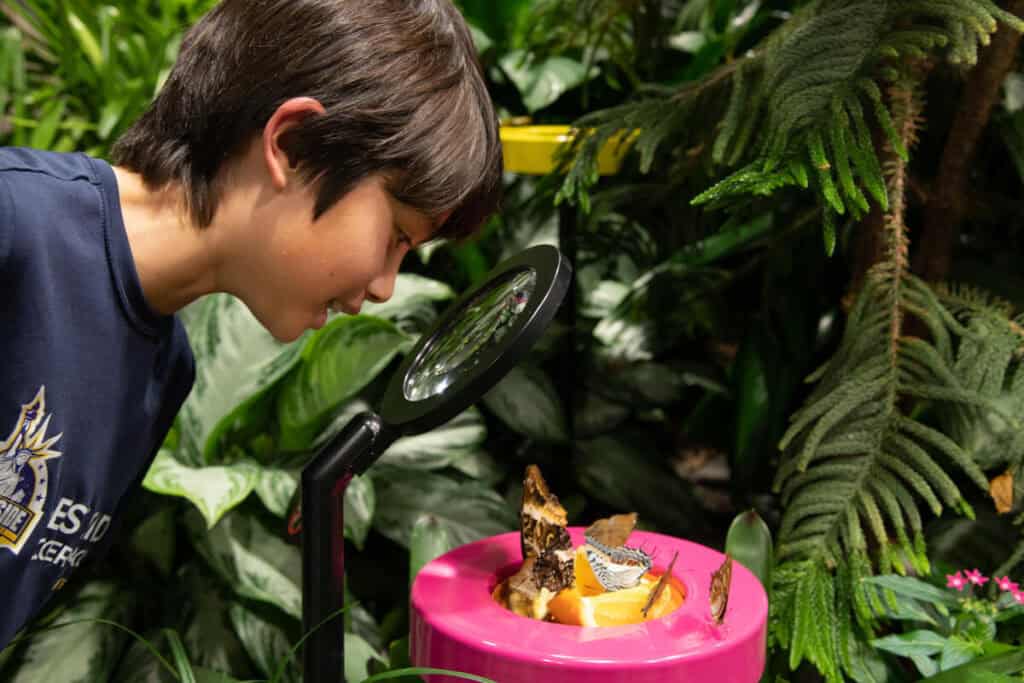
Several exhibitions highlight the museum’s scientific collections. For example, the Davis Family Butterfly Vivarium allows visitors to walk among hundreds of free-flying butterflies. Nearby, Opulent Oceans celebrates the diversity of marine life.
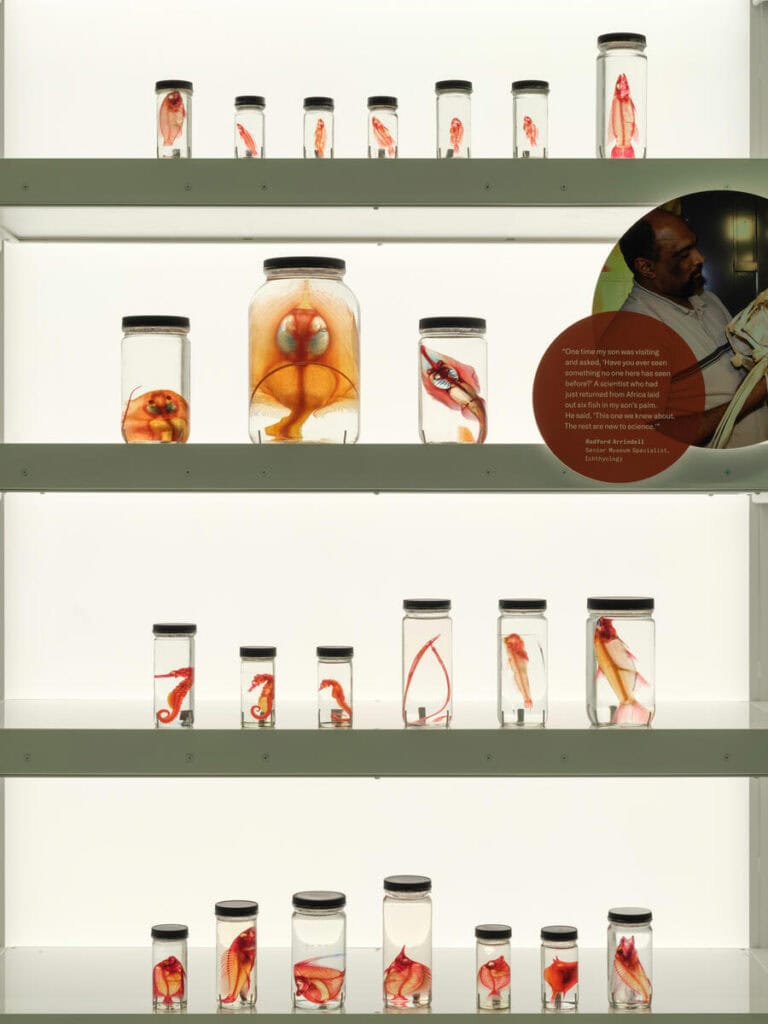
Meanwhile, the immersive experience Invisible Worlds surrounds visitors with a 360-degree visualization of life’s hidden networks. In contrast, the exhibition What’s in a Name? takes a quieter approach. It explores the history of scientific naming through rare books and archival materials from the museum’s collections.
A Hub for Research and Discovery
In addition to exhibitions, the Gilder Center houses one of the world’s largest natural history libraries. The Reading Room offers a quiet space to browse and study. Meanwhile, the Alcove Gallery displays rare books and other special materials.
Nearly three years later, the Gilder Center remains more than a new wing. It is a powerful blend of science, architecture, and storytelling. In a city that constantly evolves, it shows that curiosity never goes out of style.
Share this post