
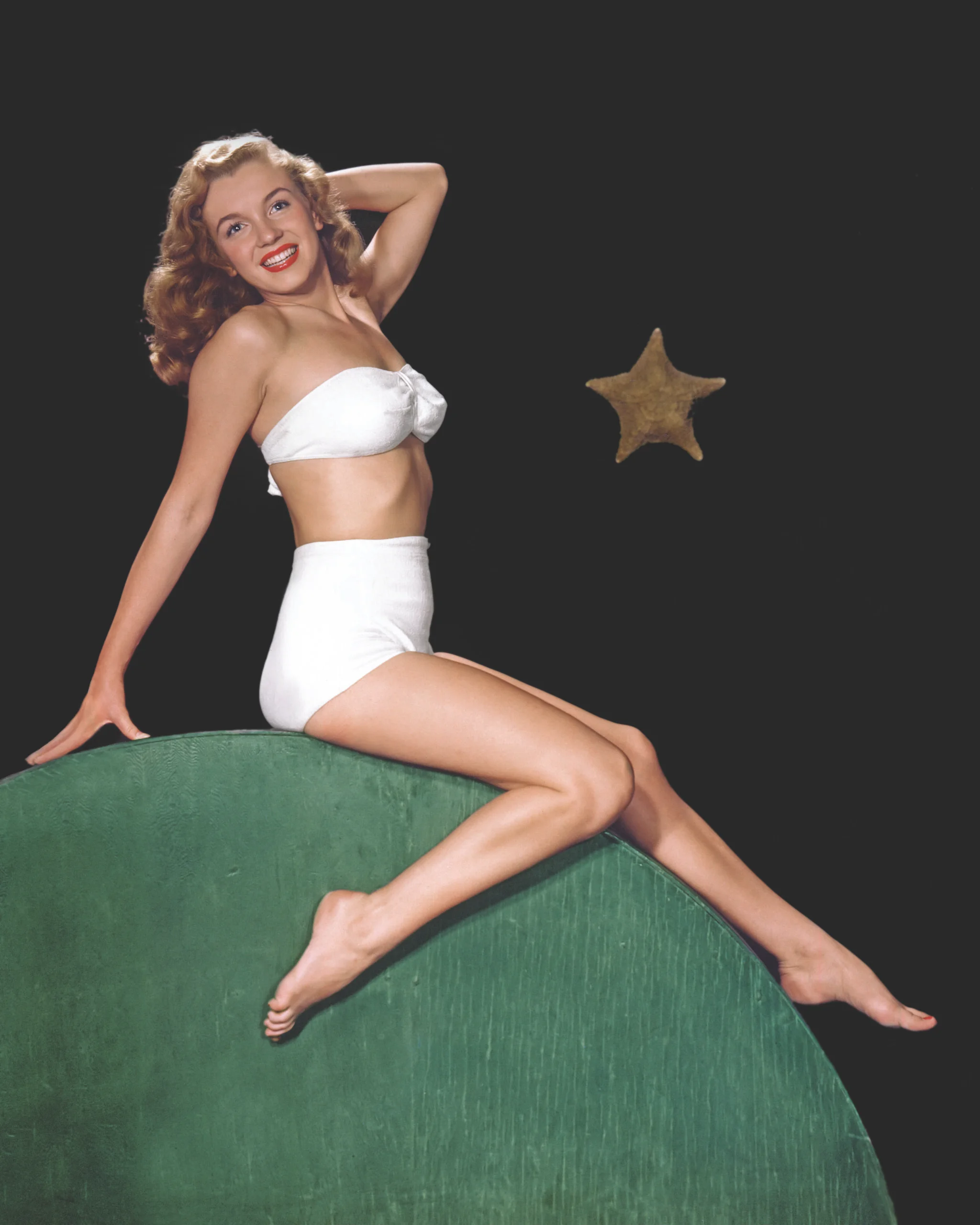
Marilyn Monroe: Exhibition at La Cinémathèque française
Samuel Kaur
The exhibition “Marilyn Monroe: 100 ans !” at La Cinémathèque française is clear in what it tries to do.
Before even entering the La Cinémathèque exhibition, you already probably heard the name Marilyn Monroe and know something about her: the white dress, the blonde hair, the smile. “Marilyn Monroe: 100 ans !” is built around that familiarity. It leans into the overexposure instead of fighting it, only to slowly take it apart.
At first glance, the show risks feeling like exactly what you’d expect: a celebration of the icon. Costumes, photographs, film extracts, the usual vocabulary of cinematic nostalgia is all here. You move through rooms filled with carefully lit images, the kind that made Monroe the star she is. And that’s the point. The exhibition begins by confronting you with the myth at full force.
However, it quickly becomes clear that the exhibition questions the fusion between Monroe the star and Monroe the actress. It challenges a deeply ingrained idea: that she was simply “playing herself.” Through film excerpts and contextual analysis, the curators argue the opposite. They invite you to watch her closely, not as a symbol, but as a performer. Suddenly, her roles in films like “Some Like It Hot” or “Bus Stop” begin to feel constructed, intentional, even strategic.

(John Huston, 1961), Eve Arnold, 1961 © Eve Arnold / Iconic Images
The System That Created Her
What stands out, even more than Marilyn Monroe herself, is how the exhibition shows the system that created her. The Hollywood studios, especially 20th Century Fox, didn’t just support her – they helped make her who she was. Posters, staged photos, and even written stories about her weren’t just for promotion. They helped create her public image. In a way, Monroe was “written” before people ever really saw her as a person.
Because the studios controlled how she was shown, people ended up seeing what they wanted to see. The 1950s were both very strict and very focused on sex, and Monroe somehow showed both sides. Our endless search to “find the real Marilyn” says more about what we want or expect than about who she really was. The studios and the audience worked together to make her image, but also made it confusing and easy to misunderstand.
Underneath all this, there was a quiet kind of harm. She was often called just a “blonde bombshell,” her acting was ignored by people like Arthur Miller or John Huston, and her dreams were treated like failures. The studios created her, the public judged her, and society set limits for her. All these forces mixed together, shaping not only how people saw her while she was alive but also how she is remembered today.
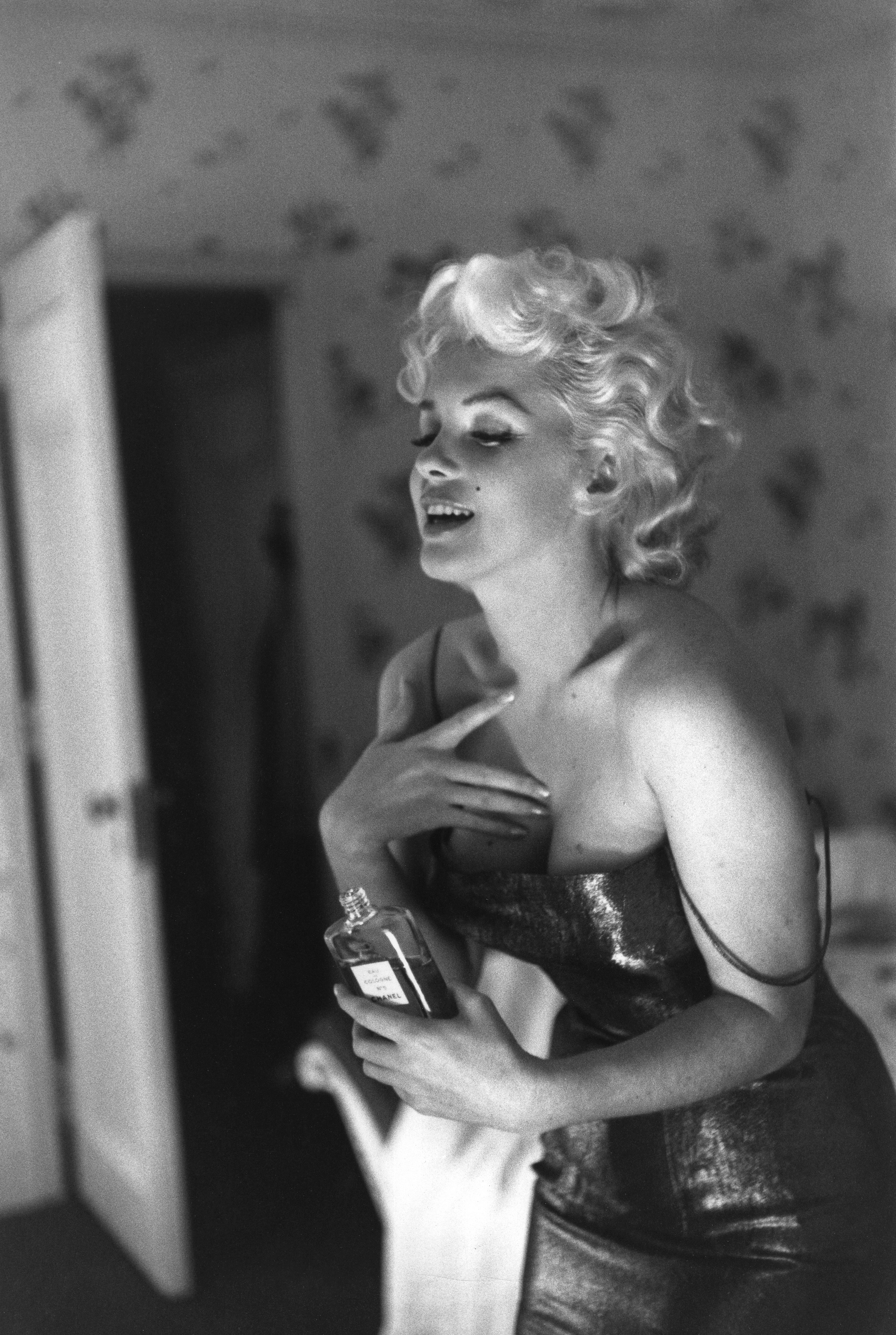
© Photo Ed Feingersh / Michael Ochs Archives / Getty Images. © Marilyn Monroe TM: The Estate of Marilyn Monroe, LLC
Death and the Enduring Mystery
And then, of course, there is the ending we all know. Her death hangs over the exhibition, not as a dramatic moment, but as something that changes how we see everything. It makes the myths, the rumors, and the obsession even stronger. The exhibition shows how much her death shaped her image, without trying to sensationalize it. Monroe becomes less a person who died and more a story that never stops changing.

By the time you leave, the strangest thing happens: you don’t feel like you understand Marilyn Monroe better. If anything, she feels more distant, more fragmented. But that is exactly what the exhibition wants to show. In the words of Aristotle, “The more you know, the more you know you don’t know.”
Instead of giving clear answers, it challenges certainty, no matter how many documentaries you’ve seen or books you’ve read. As Monroe herself once said, “I am trying to find myself. I am trying to be the best that I can be. But people keep trying to tell me who I am.” The exhibition shows why her true self has always been hard to grasp, and why that mystery is what keeps her alive.

Cover Image credits: © Bruno Bernard, courtesy of the Bernard of Hollywood Foundation © 2026 Renaissance Road Inc. © Marilyn MonroeTM: The Estate of Marilyn Monroe, LLC
Visit La Cinémathèque française homepage here.
Share this post

Samuel is a Paris-based creative marketing student and writer. When he got bad grades in school or behaved badly, his parents punished him by making him read - maybe that's where it began. What felt like torture at the time has now turned out to be a great gift.
Two years ago, he moved to Paris for his fashion studies. Since then the urge to write has only grown stronger. When he's not working on articles, he writes mostly film scripts or poetry. Beyond writing, he has a deep-rooted passion for cinema and enjoys engaging in all forms of filmmaking.
Read Next


