Carol Bove at the Guggenheim
Emmilea Stoliker
March 5 to August 2, 2026, Carol Bove Brings a Major Survey to the Guggenheim
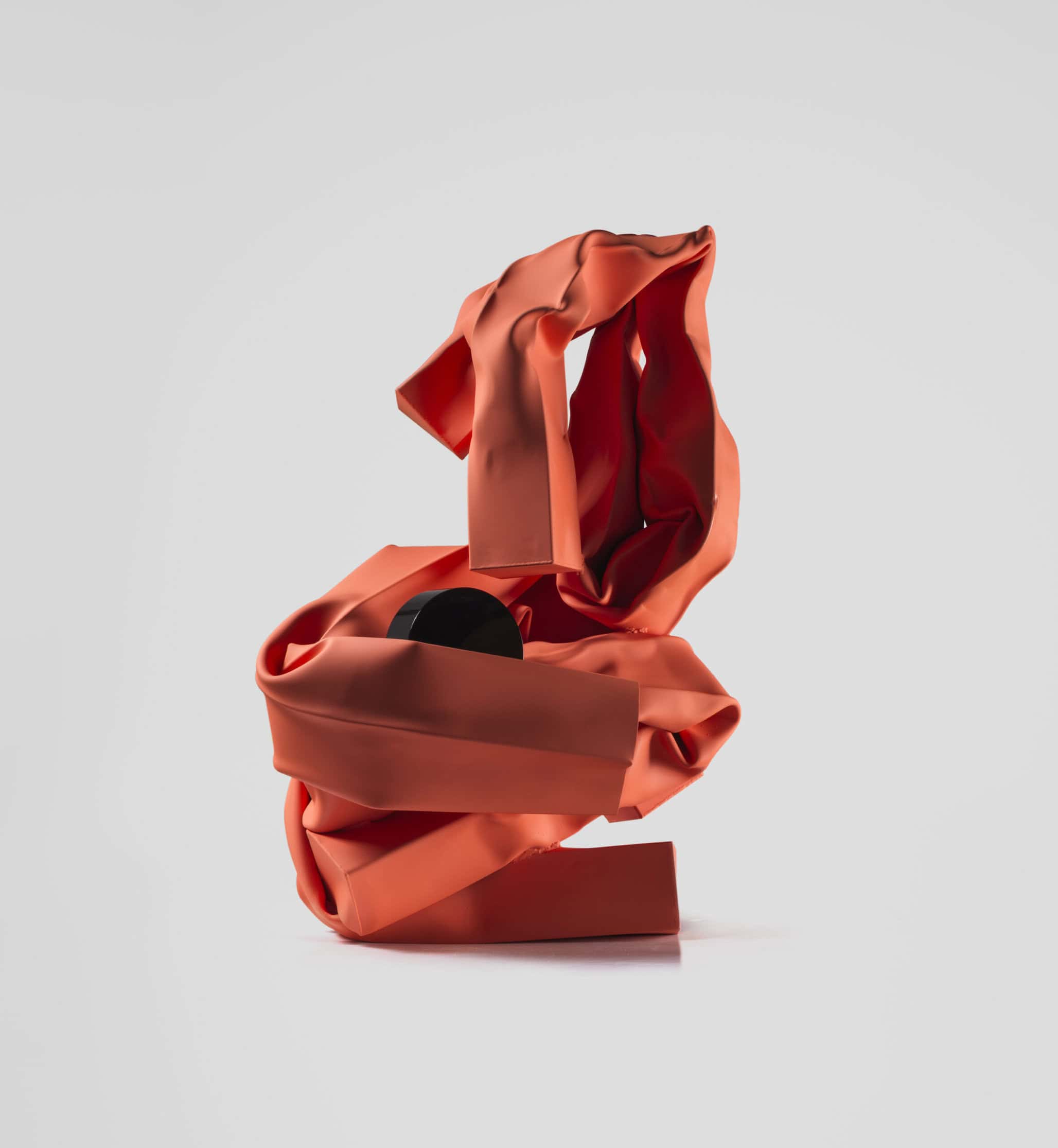
Carol Bove presents her first museum survey at the Guggenheim New York, and she also stages her largest exhibition to date. Born in Geneva in 1971 and raised in Berkeley, Carol Bove moved to New York in 1992 and built her practice in Brooklyn. Since then, she has shaped a sculptural language that tests how objects hold space, and how space edits what we see.
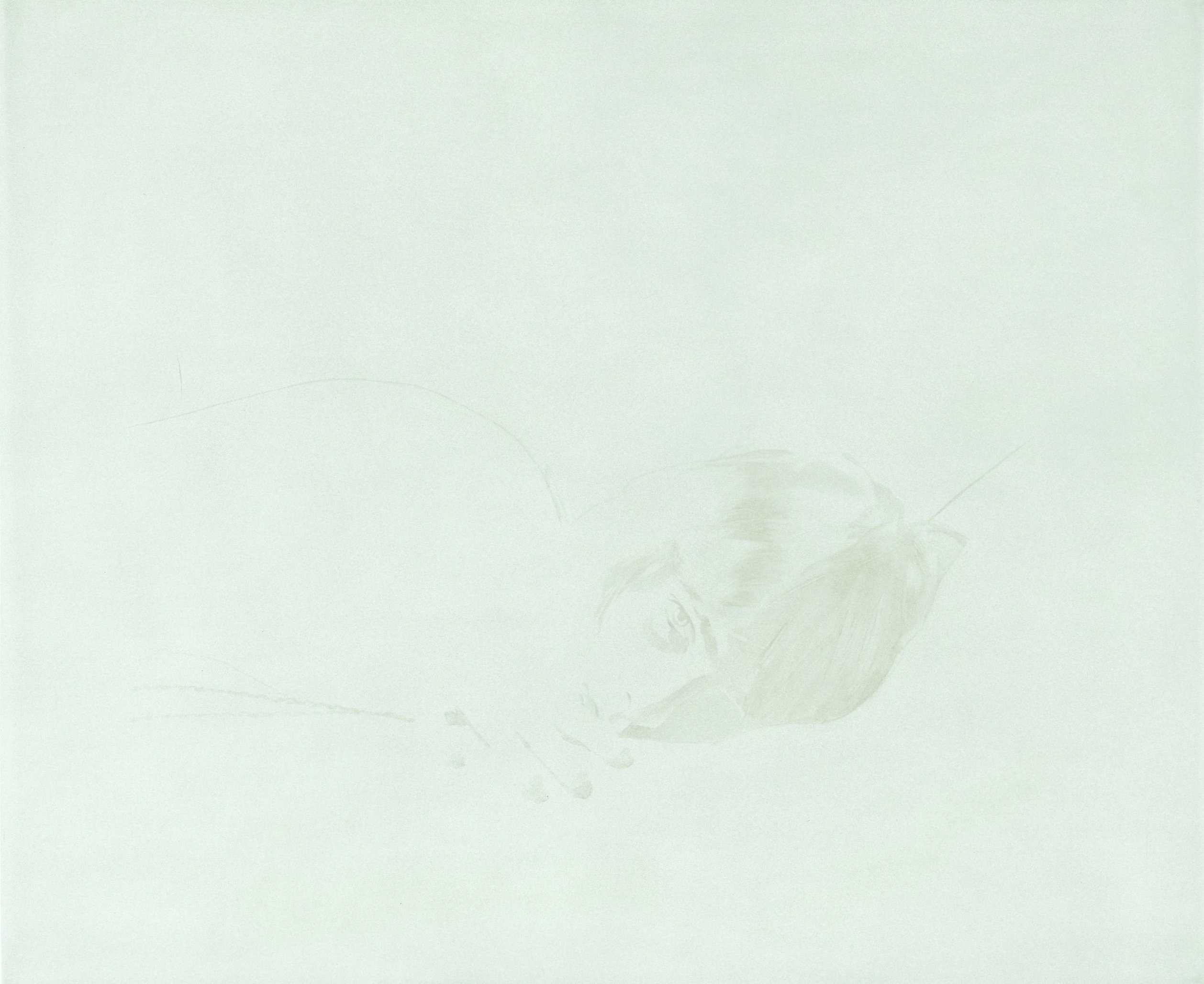
Private collection.© Carol Bove Studio LLC
A large-scale exhibition in New York
This exhibition gathers more than 100 works made across 25 years. As a result, visitors can follow Carol Bove’s shifts in material, scale, and structure from one period to the next. In addition, the survey connects early works to recent sculpture, so the show reads as a continuous investigation rather than a greatest-hits display.
Carol Bove also returns to an institution that already knows her work. Previously, the Guggenheim included Carol Bove in group presentations, and the museum holds her work in its collection. Therefore, this 2026 survey feels like a culmination. At the same time, it offers a clear checkpoint for an artist whose influence has grown steadily in contemporary sculpture and installation.
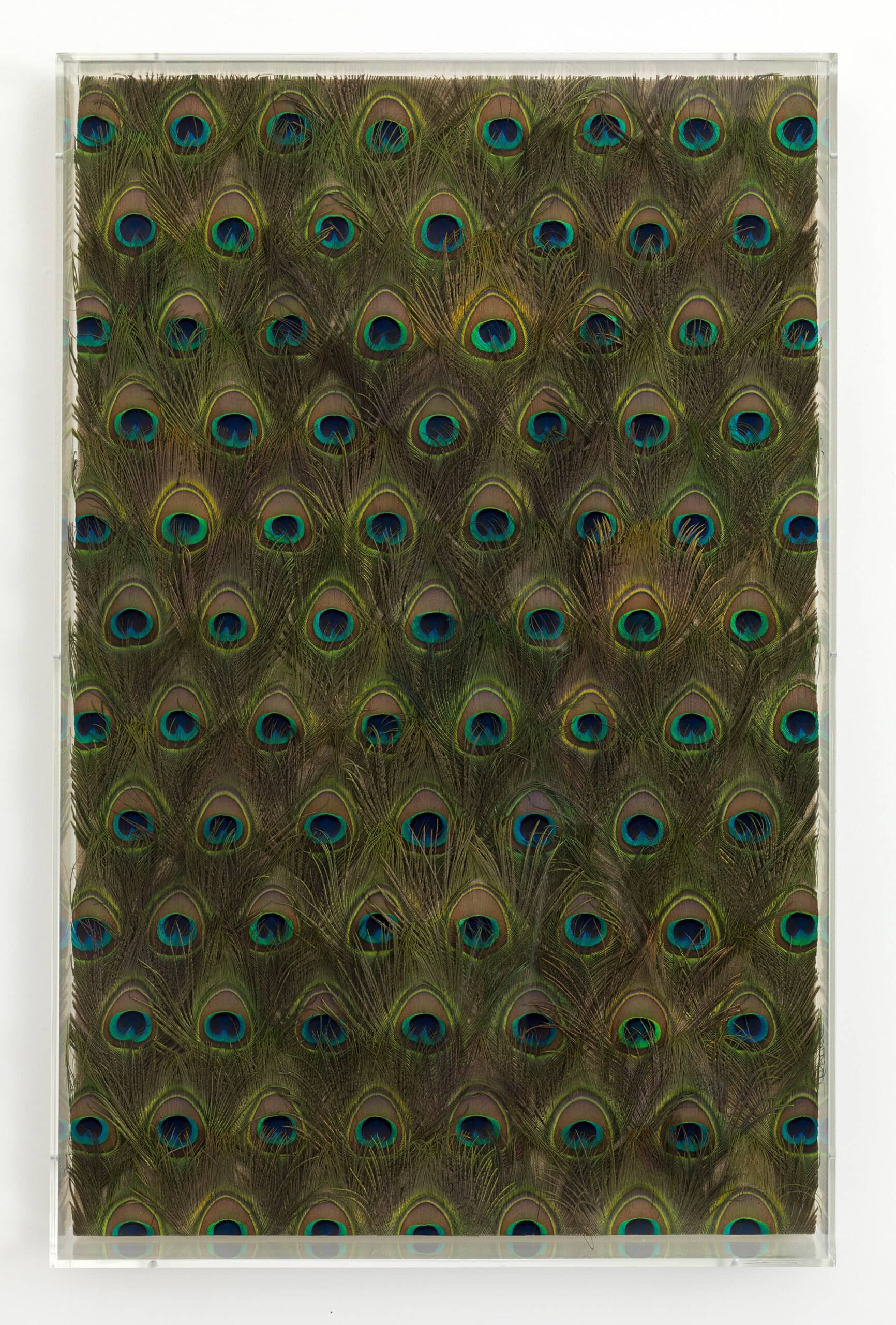
acrylic vitrine, 38 3/4 × 24 3/4 ×5 in. (98.4 × 62.9 × 12.7cm). Collection of the artist and Gordon Terry.
© Carol Bove Studio LLC. Photo: Adam Reich
What the show includes
The show moves from early drawings to recent sculpture. Next, it introduces a new body of monumental steel works that the museum describes as “collage sculptures.” Carol Bove developed these pieces in direct dialogue with the Frank Lloyd Wright rotunda. Consequently, the building acts like a collaborator, not only a backdrop.
How visitors can engage
This presentation is not only a retrospective. It is also an experience designed around movement. Visitors will encounter visual interventions that shift how the spiral ramps feel and how the artworks are approached.
Moreover, engaging directly with the dynamics of place, Carol Bove often incorporates site-specific elements into her practice. Therefore, her projects range from architectural interventions to immersive exhibition environments. Through the inventive use of found and constructed elements, Bove has consequently established herself as a leading figure in contemporary art. She consistently pushes the boundaries of formal abstraction by blending these influences; as a result, this Brooklyn-based artist continues to shape the field of sculpture.
Carol Bove also adds a social layer. Lounges will be placed in bays along the ramps, offering moments to pause. In addition, artist-made chess sets will be available for use on the rotunda floor, extending the exhibition into a lived space rather than a purely viewing space.
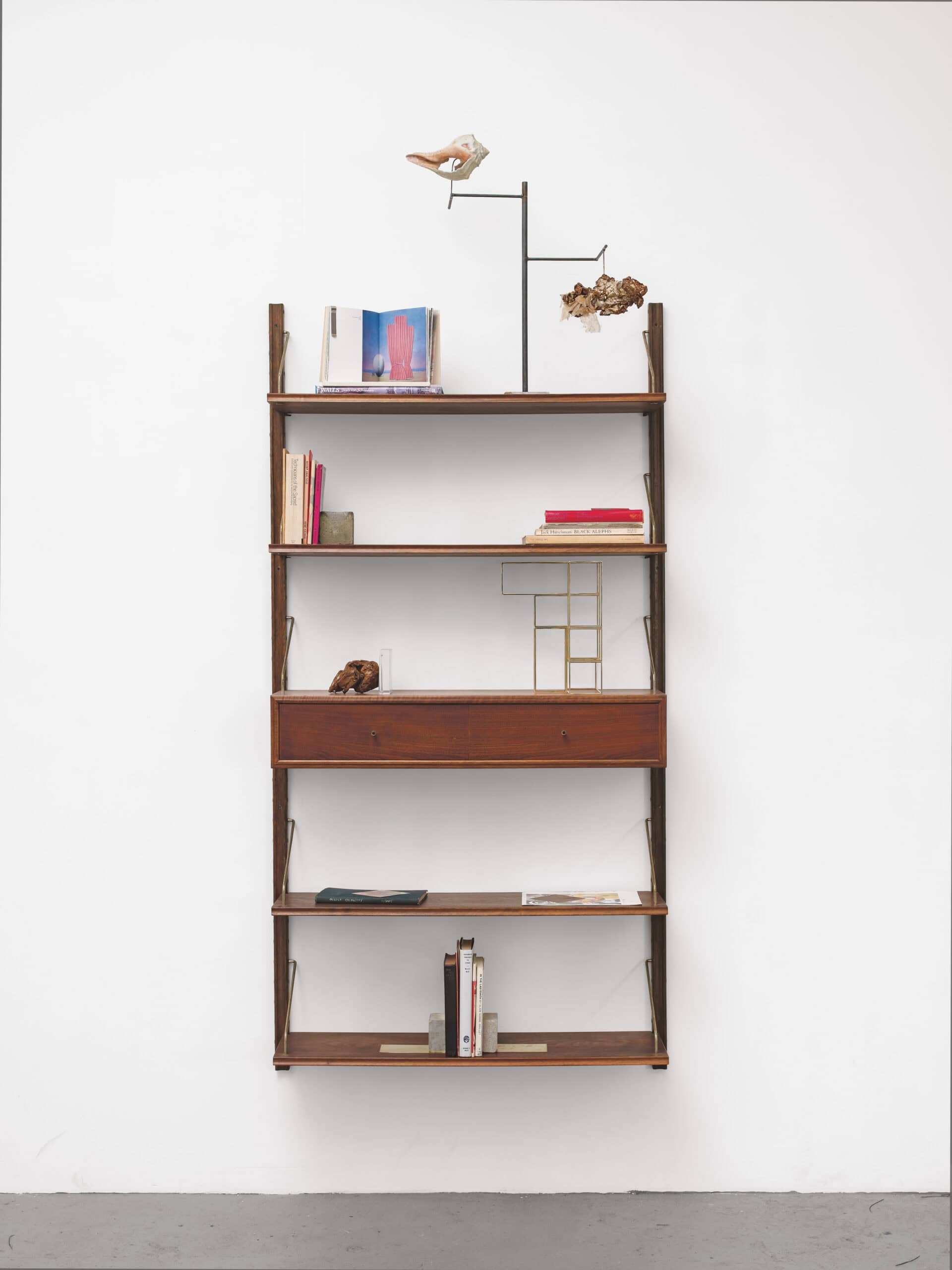
(215.9 × 90.2 × 40.6 cm). Solomon R. Guggenheim Museum, New York, Purchased with funds contributed by the International Directors’ Council 2012.125. © Carol Bove Studio LLC. Photo: Jeffrey Sturges
paint, 49 5/8 × 33 1/8 × 26 3/4 in. (126 × 84.1 ×68 cm). Collection of Mr. and Mrs. Lee Broughton.
© Carol Bove Studio LLC. Photo: Maris Hutchinson/EPW Studio

Emmilea Stoliker grew up in a tiny town in Delaware, where she developed her love of photography. Growing up, her eyes felt like camera lenses, always looking for the perfect composition for the perfect photograph. She would steal her mother’s phone to take a photo of any type of composition she thought was worth documenting. Later on, she moved to New York City to continue on with her passion for photography by studying at the Fashion Institute of Technology.
Being a New York City-based freelance photographer, she loves manipulating different art genres and subgenres, which includes: Portraiture, still life, street photography, collage works, etc, and making multiple genres work together creatively and collaboratively. Emmilea loves to think outside of the box when it comes to creativity behind the screen.
Read Next