Dudi Ben Simon: When Everyday Objects Decide to Have a Better Personality
Agnese La Spisa
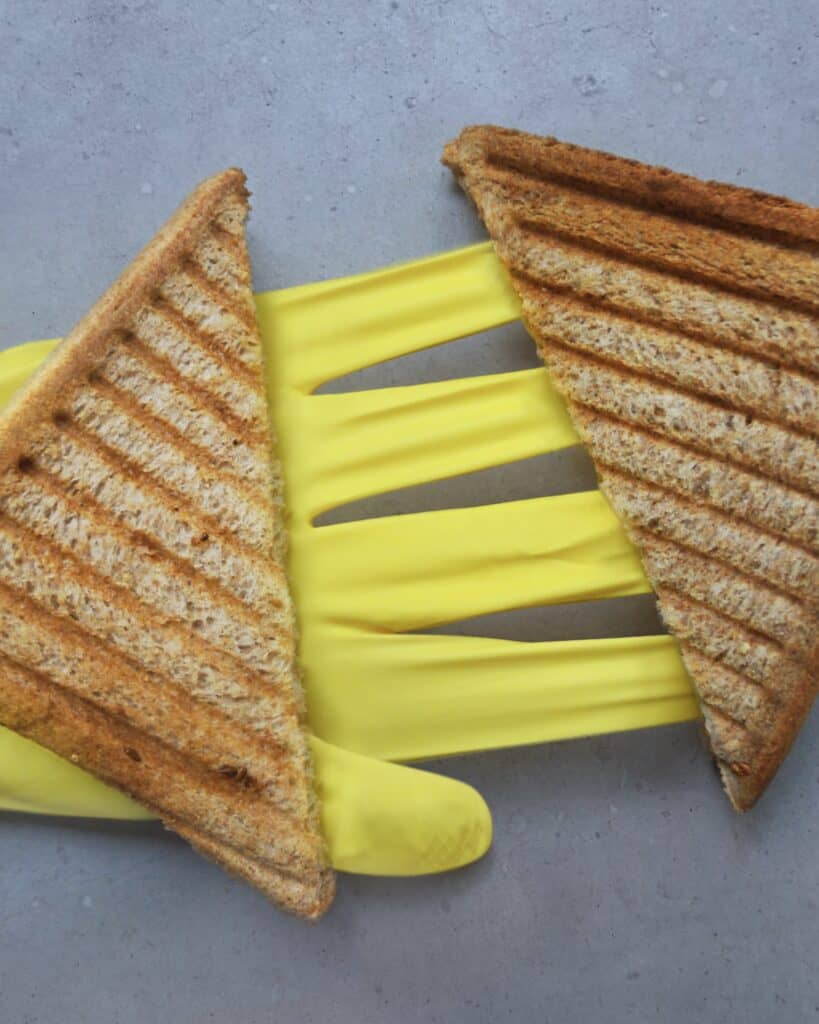
Some artists need studios, silence, and sacred rituals. Dudi Ben Simon just needs a walk down the street cook dinner or take out the trash. Based in Tel Aviv, he’s built a visual universe where everyday objects slip into unexpected roles: a tortilla becomes a coat, earphones turn into lingerie, a croissant transforms into a hairstyle. Playful and deceptively simple, his images are powered by sharp observation and an instinct for connections most people miss.
Creative long before creativity became a career, Dudi was first drawn to painting before studying visual communication and spending years as a senior creative in one of Israel’s leading advertising agencies. Working with major brands refined his visual clarity but it also sparked a craving for freedom. Freedom from briefs, targets, and noise.
That freedom found its outlet on social media, which quickly became his personal gallery. Instagram wasn’t just a platform; it was a shift. His audience expanded into a global mix of viewers, critics, and collectors, carrying his work far beyond Tel Aviv and into publications like Vogue Korea and Elle Hong Kong, as well as exhibitions in New York and Paris. Still, the essence never changed: minimal, witty, and deeply human.
Dudi doesn’t call himself a photographer (and never formally studied it). He shoots, styles, and builds everything himself, favoring natural light and minimal retouching. Rooted in the readymade tradition, his work keeps objects recognizable while gently rewriting their meaning.
At its heart, his practice asks us to slow down, look twice, and smile. Creativity, after all, doesn’t need to shout; sometimes it just gives you a quiet nudge and smiles.
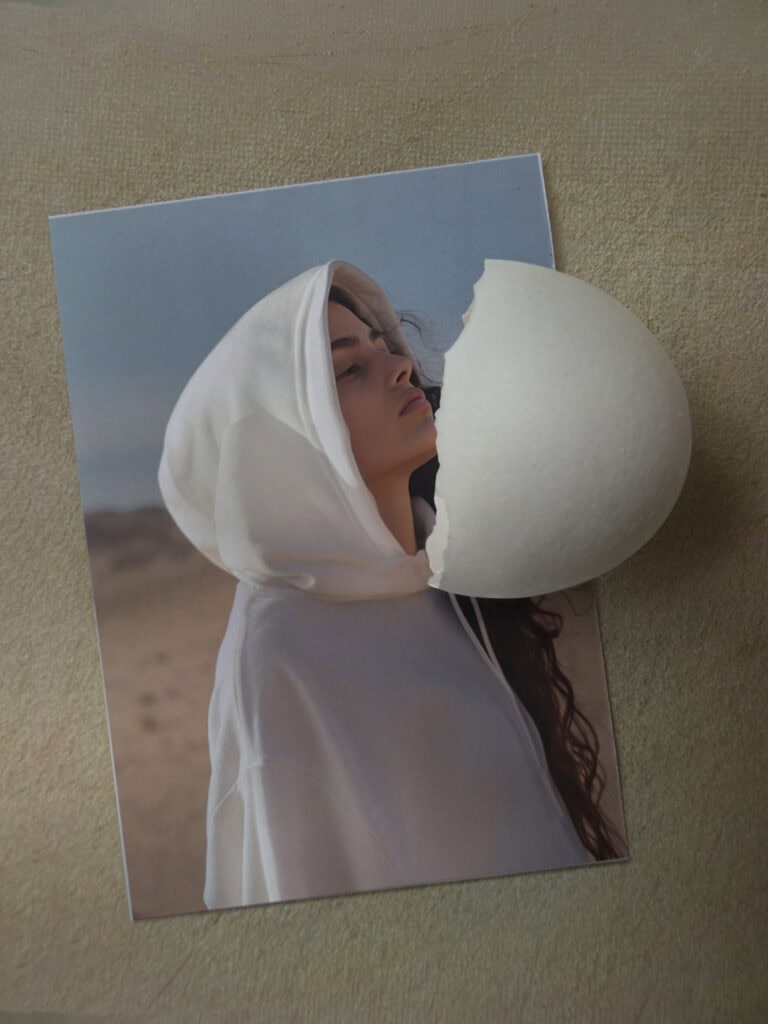
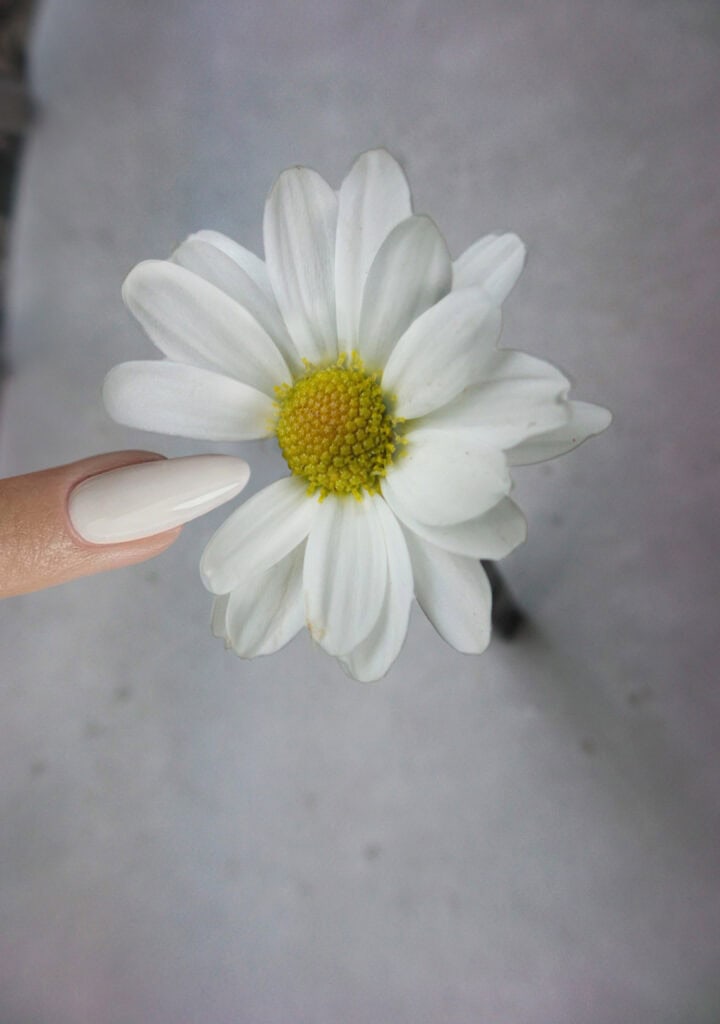
Dudi Ben Simon your work often begins with noticing a tiny resemblance or connection between unrelated objects. Do you think this way of seeing can be learned, or is it a mindset you’ve carried since childhood?
I’ve always had a particularly creative way of seeing. If you ask people who knew me in early childhood, they wouldn’t be surprised by my creative pursuits today. As for the ability to connect unrelated objects, I feel that over the years, and especially since I turned this style into a personal visual language, it’s only become sharper in my mind.
Sometimes it accompanies me in my daily life: I’ll be walking down the street, observing situations, and suddenly an idea for a piece pops up. There are even ironic moments, for example, I have a photo of a closed coat that, in my imagination, connects to a folded tortilla. That idea was born while I was traveling; I saw someone running in a coat like that, and the tortilla association sprang to mind immediately.
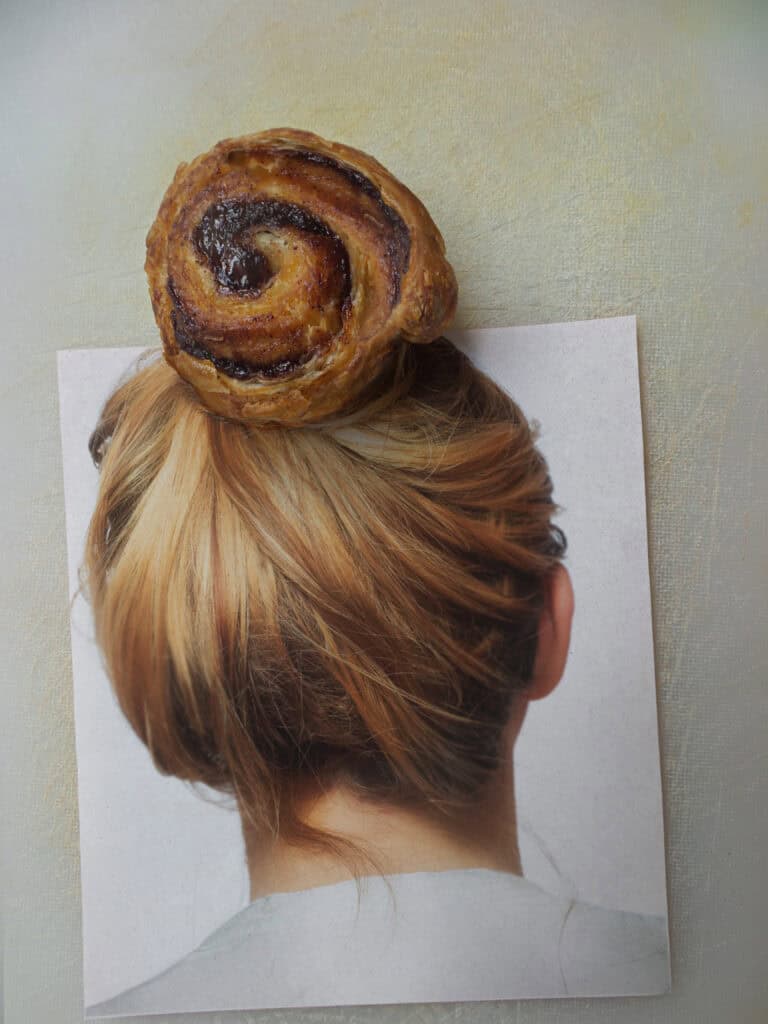

Is there a specific emotional or mental state in which your best concepts tend to appear?
In most cases it really feels like work: a process of thinking, examining, and seeking inspiration, which usually begins with an object that intrigues me. Sometimes I stumble upon it by chance on the street; sometimes it pops up in everyday situations, cooking, grocery shopping, even an item someone threw in the trash that I noticed when I took out the garbage.
There are also cases where I start photographing an object with the entire idea already formed in my mind, but during the shoot I go through a process that gives rise to a different idea, completely different from the original plan, and most of the time it’s even better. When there’s an object I want to photograph but I’m not fully at peace with the concept, it can occupy my mind for a few days. Sometimes it resolves, and sometimes I let it go and don’t shoot it. Not infrequently, even after a few months, when I try to return to that object, I find it’s still not resolved.
Your images are witty, but they’re also quietly subversive. What role does humor play in your art?
If you pay attention, most of my work revolves around the world of design: product design, fashion, food, and more. My approach is very much rooted in nonchalance. I’m not drawn to overexertion, I don’t like an “overly worked” style or a frantic chase after trends.
Simple aesthetics feel timeless to me; they always look good. Beyond that, humor is a language that works even without words. It connects people and cultures around the world. People love to laugh, and that’s probably one of the reasons I’m able to resonate with audiences in different places. When someone tells me my work made them smile in the morning, I feel I’ve done my job.
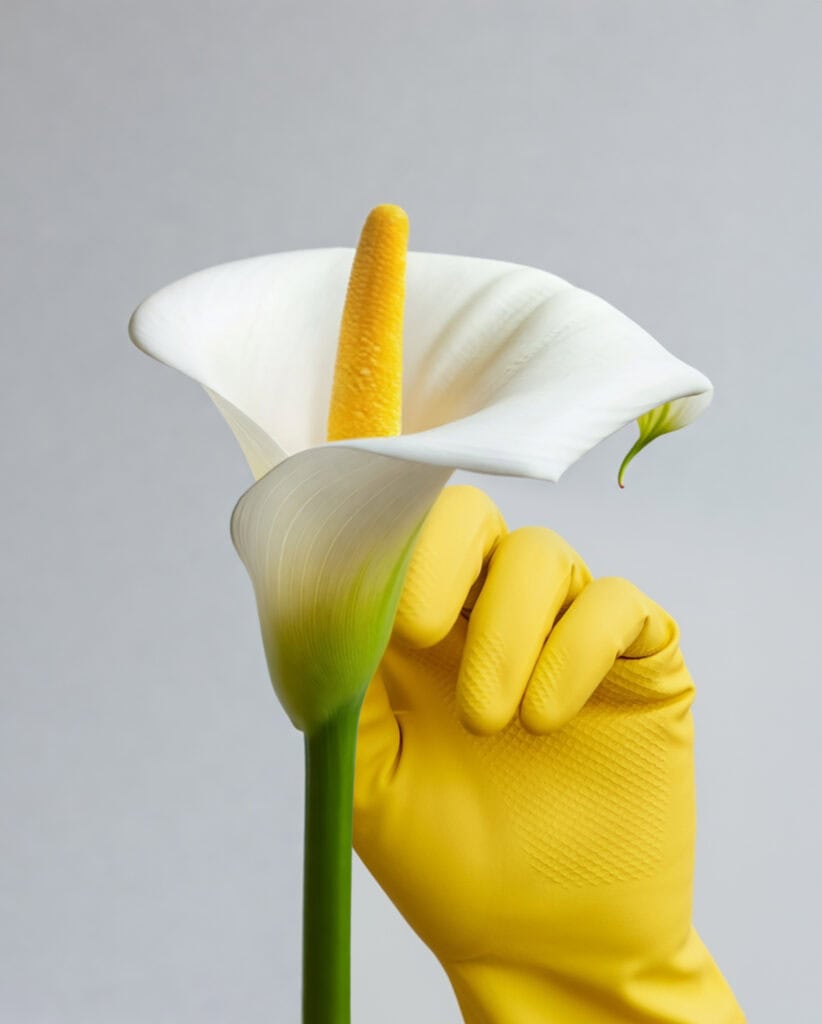
When you choose an object, what makes it “castable” as a character in one of your visual stories?
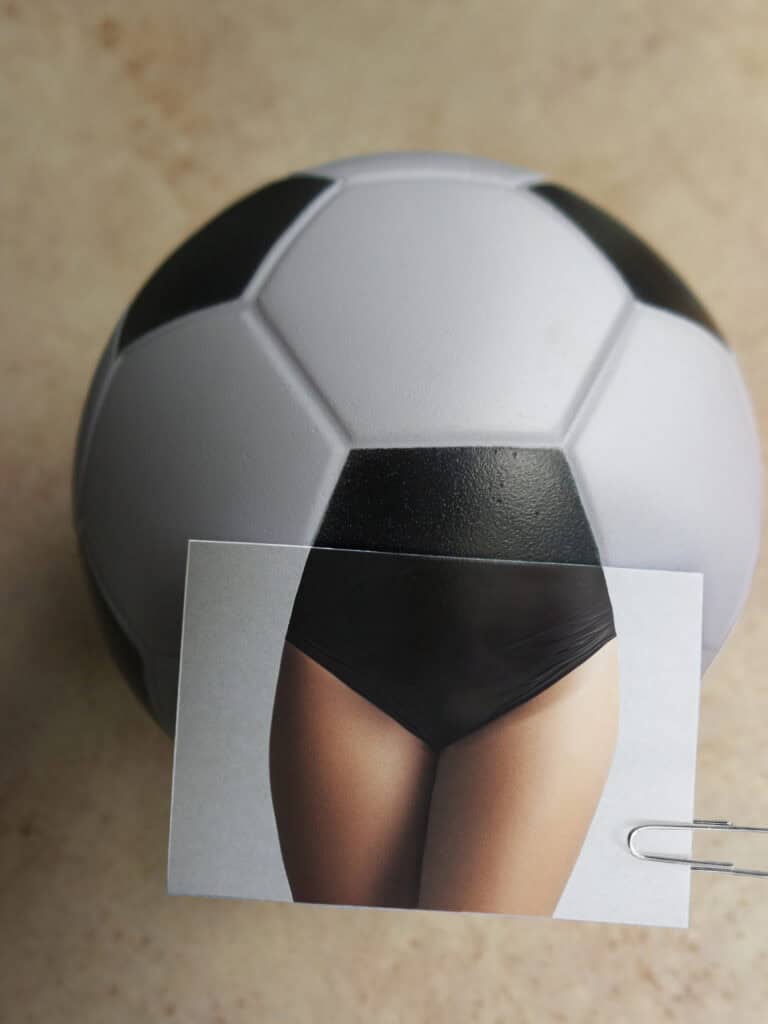
What makes an object “castable” is primarily my personal connection to it, whether through its design, what it symbolizes, or its ability to convey a message that matters to me. And yes, objects surprise me all the time. While working with a soccer ball, I discovered the geometric logic behind its pentagons and hexagons. I also learned that every avocado variety has a differently shaped pit. Familiar objects reveal unexpected depth when you really look.
Your compositions are extremely minimal. What’s the hardest part of making something look effortless?
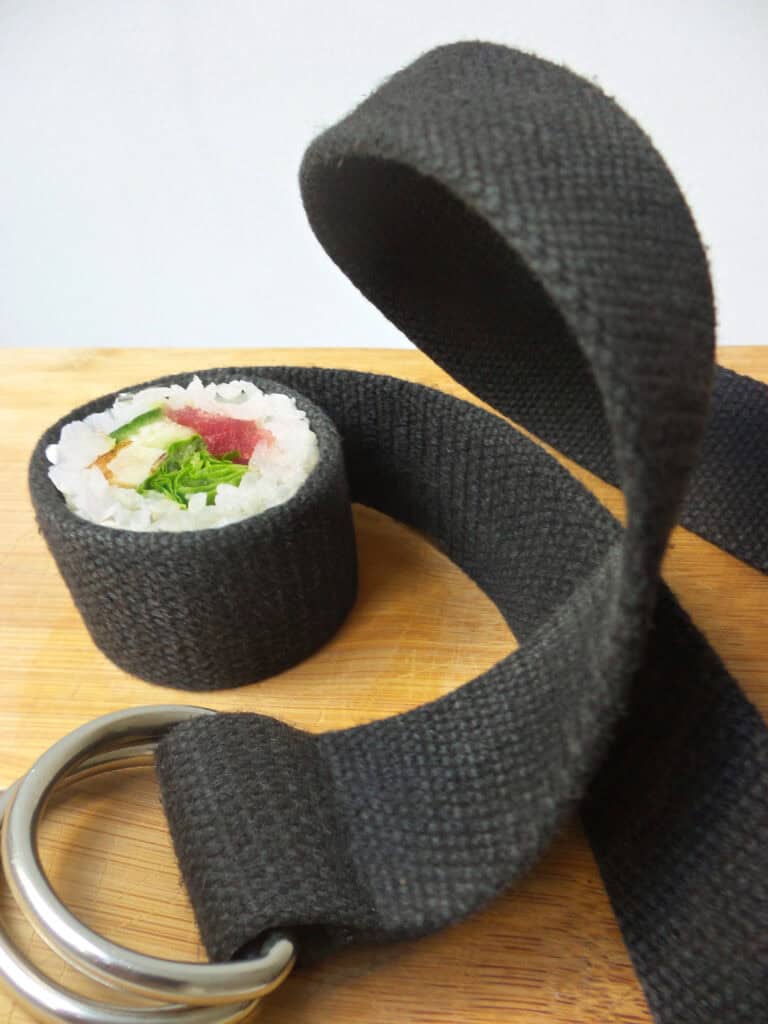
Effortless is the hardest part. It’s only seemingly effortless, often it takes more effort to make something appear simple. I remove anything that doesn’t serve the story. I prefer natural daylight, minimal processing, and a raw photographic character. Coco Chanel once said, “Before you leave the house, look in the mirror and take one thing off.” I work the same way.
Dudi Ben Simon. How do you avoid repeating yourself while working within such a recognizable visual language?
I don’t define myself as a photographer in the classical sense. Photography is just one tool in a broader creative process. My visual identity keeps evolving, and even older works belong to different periods but they’re still recognizably mine. I grow within my language rather than abandoning it.
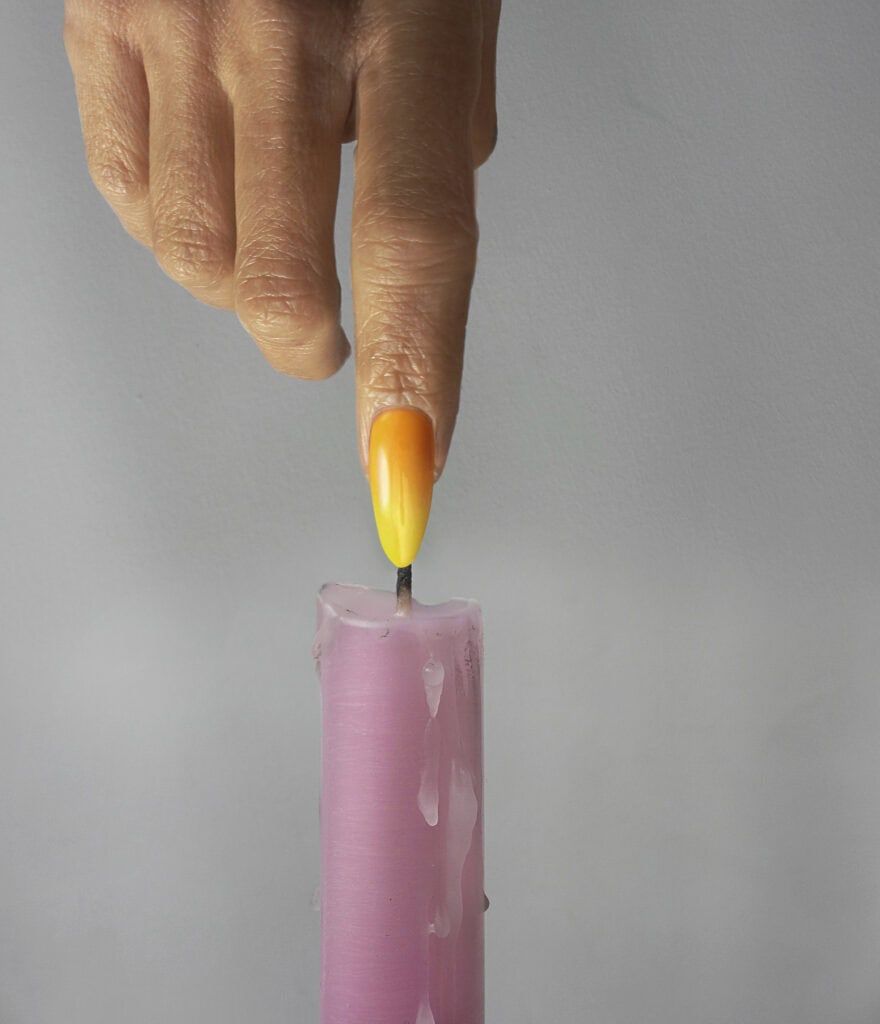

Dudi Ben Simon doesn’t ask viewers to work harder. He asks them to look closer. His art lives in that split second where recognition meets surprise, where humor becomes insight, and where the most ordinary objects quietly steal the spotlight. In a world obsessed with speed and spectacle, his work reminds us that sometimes the smartest ideas are already sitting on the table. You just have to notice them.
Share this post
Agnese La Spisa is an Italian creative based in Italy, specializing in publishing and fashion communication. At IRK Magazine, she brings together creativity, research, and design to shape stories with clarity and style. Curious and collaborative, she is driven by a passion for exploring culture, aesthetics, and the narratives that connect people, ideas, and disciplines.
Read Next