Fabien Colomines: An Interview with the Designer Behind SEMINO
Leah Ermann
Fabien Colomines and the Language of Making
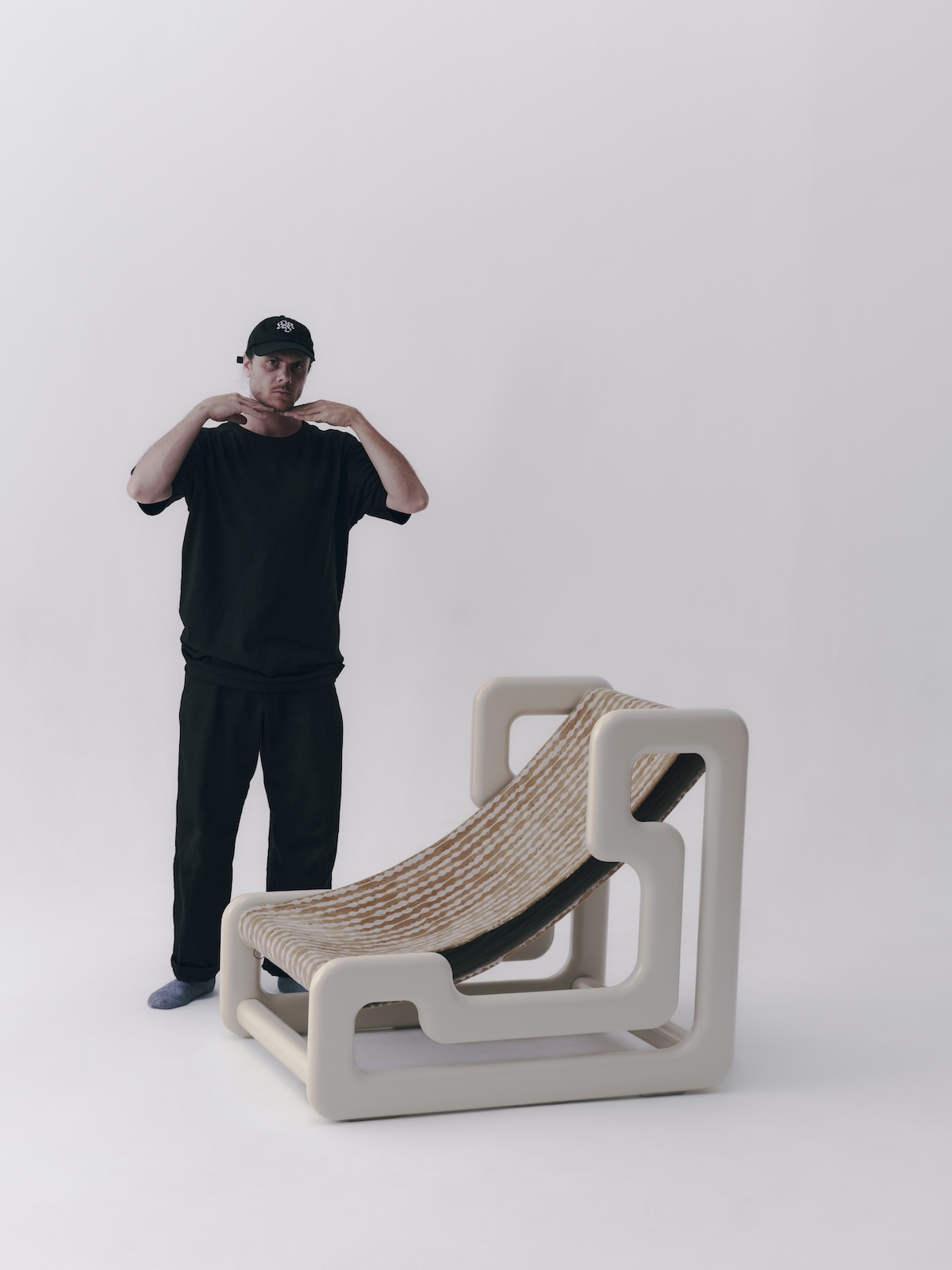
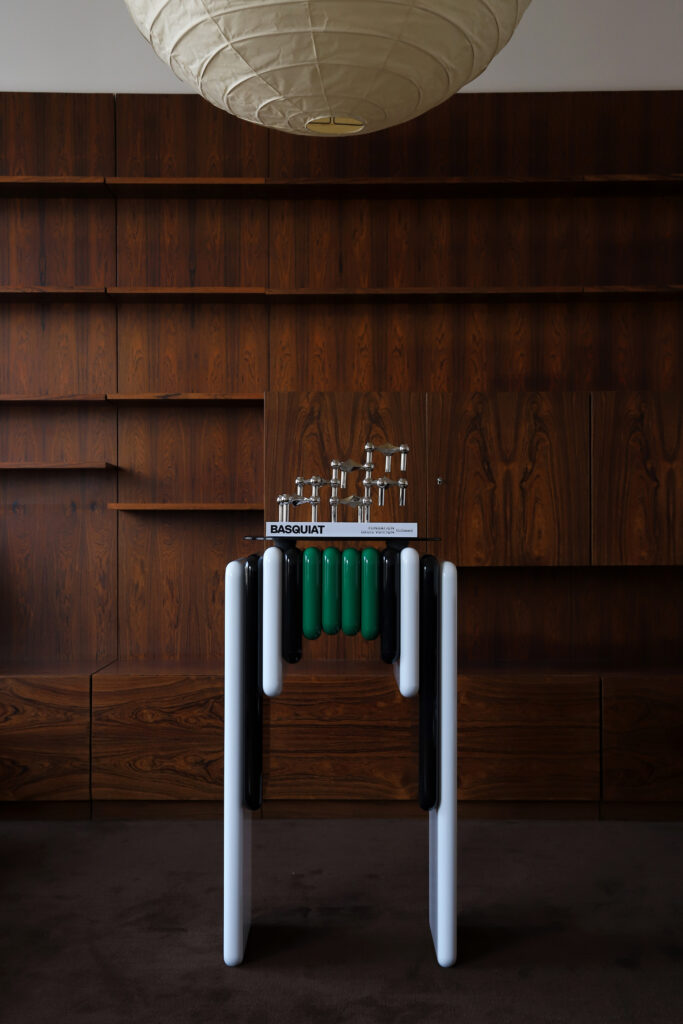
Fabien Colomines is a French Designer and craftsman and the designer of SEMINO, a furniture studio that moves fluidly between design and sculpture. Rather than creating objects that exist purely for function, he designs pieces that carry emotion, presence, and intention. Through limited editions, Colomines places craftsmanship at the centre of his practice. He allows material, form, and process to guide each creation. As a result, his work reflects a boarder return to materiality and making. In this approach, furniture becomes something to experience rather than simply use. In this space, SEMINO positions itself firmly within contemporary collectible design.
IRK: Fabien Colomines your work is produced in limited editions. What does limitation allow you to explore creativity that large scale production does not?
Fabien Colomines: Limited edition production allows me to preserve a great deal of creative freedom. It gives me the opportunity to experiment with shapes, materials, and manufacturing processes that would be difficult to reconcile with the industrial constraints of mass production. This approach encourages a more direct relationship with the gesture, time, and material. Each piece becomes a field of research, where adjustment and uniqueness are an integral part of the project. Working in limited series also allows me to stay as close as possible to the meaning I want to give to my objects: pieces designed as structural and functional works, with a strong intention and identity, rather than as standardised products.
IRK: At a time when design is becoming increasingly digital, why do craftsmanship and materiality remain so central to your practice?
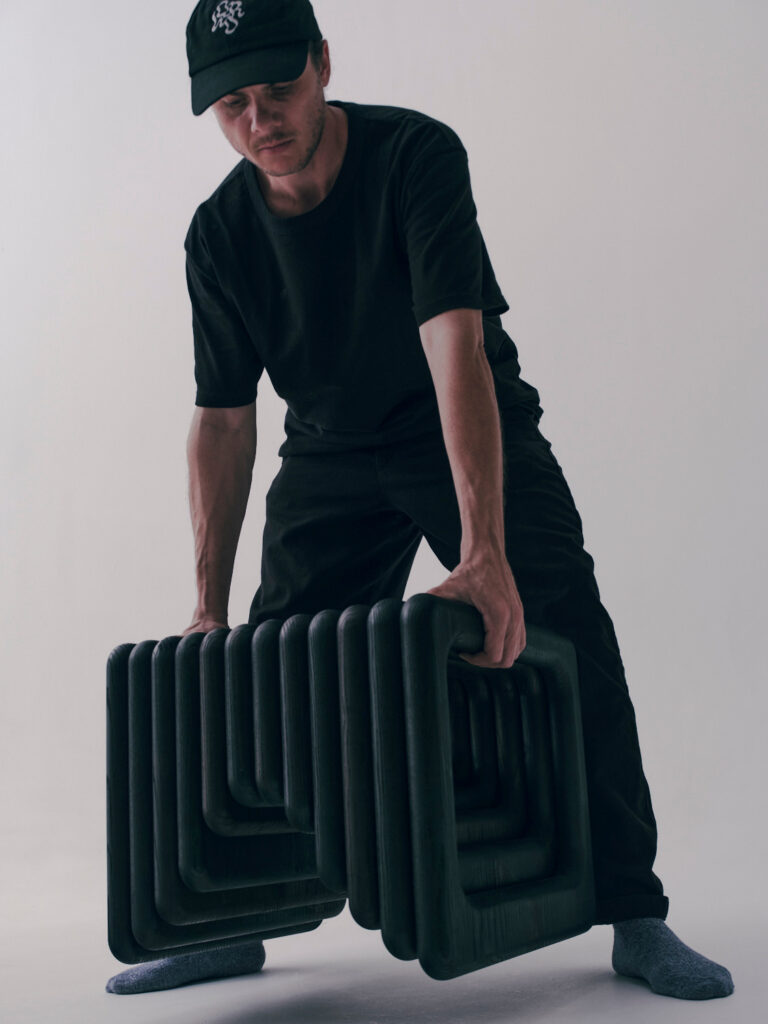
Fabien Colomines: if I don’t make my own pieces, I don’t spend time in my workshop. And if I’m not there, I’m unhappy. More seriously, making is a deeply personal and essential part of my creative process. I often say that it’s by doing that ideas truly emerge. Many of them are born from mistakes or moments of carelessness. Sometimes beauty appears unexpectedly, and when it does, time seems to stand still. That element of unpredictability is crucial. It shifts the project, enriches it, and can even transform it completely. Every piece in my collection has been reworked many times through making and remaking. Manufacturing is not just one stage of the project — it is the project. Craftsmanship does not oppose digital technology; it acts as a necessary counterpoint. It reminds us that design is a physical, sensory experience. Craftsmanship is not nostalgia, but a contemporary necessity.
IRK: What first drew you to furniture and object design, and was there a specific moment when you knew this was the path you wanted to follow?
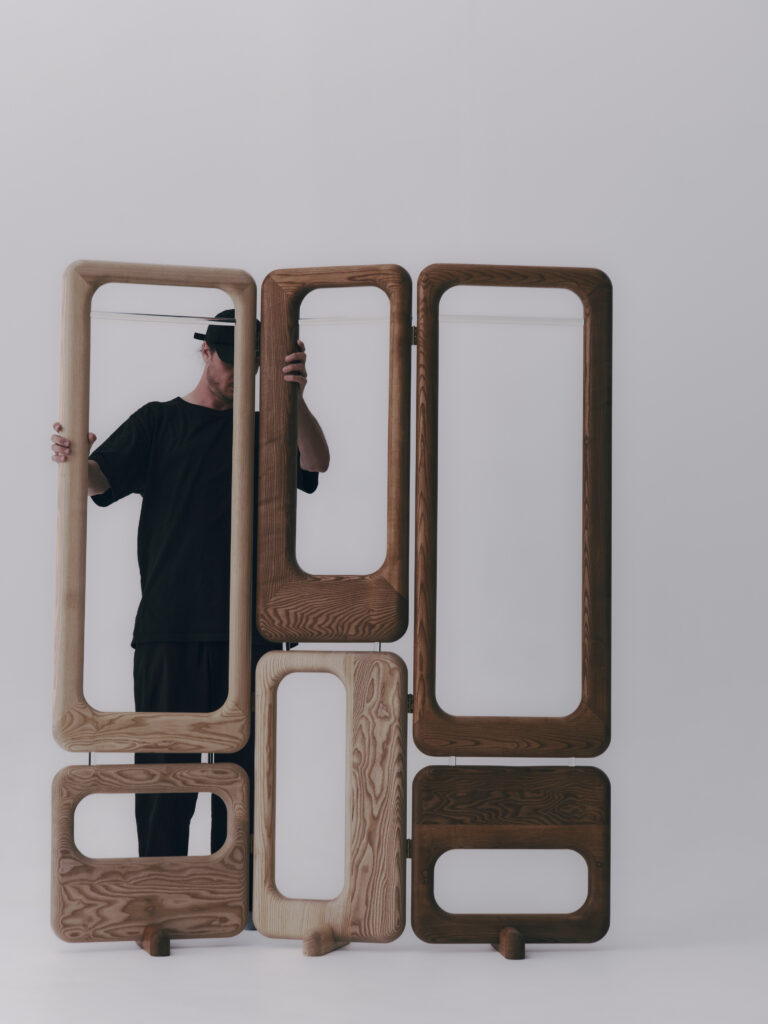
Fabien Colomines: In 2018, while living in Paris, I decided to return to school to train as a carpenter. After completing my studies, I created a hybrid space that brought together carpenters, metalworkers, set designers, upholsterers, model makers, a boxing gym, and even a music studio. It was a real organisational challenge, but above all a lively and multidisciplinary creative environment. After five years working on custom pieces for private clients, I became increasingly aware of my obsession with detail and finish. I could spend days refining a curve, a handle, or the angle of a table. Influenced by the energy of this space, and alongside my daily work, I dedicated a year to designing my first collection of stools, consoles, and side tables. Wood and the workshop became central to my approach, and these pieces remain the foundation of my creative thinking today.
IRK: Where do you usually find inspiration when you begin a new piece?
Fabien Colomines: I spend a lot of time photographing my surroundings in the streets of Paris and Marseille. I’m outside constantly. Anything shiny or rounded, with generous volumes and strong lines, catches my eye. Architecture, old signs, and the way light and shadow move across the city all inspire me. I stop, observe, and capture these moments.
I then spend hours reviewing and sorting through these images and videos. They are my main source of inspiration. When I design a piece of furniture, I think about the feeling it creates for the person who sees or uses it. Furniture is part of our daily lives. We touch it, move around it, and interact with it constantly. It has a real presence in a space. A single object can instantly change someone’s mood or state of mind. Furniture is not only functional; it can also bring a sense of joy and calm.
IRK: Looking ahead what are your goals for SENIMO, and what would you like to explore next?
Fabien Colomines: I want to develop custom-made objects and projects, design spaces in their entirety—shops, storefronts display, hotel rooms, urban scenography. To think about or rethink a space with meaning. At the same time, one of my goals is to expand the SENIMO collection by collaborating with young designers, as well as photographers, dancers, scenographers, and musicians. Bringing these different sensibilities together would give rise to unique and highly distinctive works and forms of representation! Finally, I want to explore new manual skills, such as sewing and tapestry, in order to design entire armchairs or sofas. I would also like to further develop my work with metal and its finishes, and incorporate ceramics into my practice to play with glazing and textures. I can’t wait!
Share this post
Leah Ermann is a South African Fashion Business student whose identity and vision are deeply rooted in the landscapes, cultures, and contradictions of her home country. Growing up in South Africa meant being constantly aware of extremes. These realities shaped her sensitivity to the world around her and challenged her understanding of fashion as something far beyond surface-level beauty. In a place where many people are fortunate simply to own a pair of shoes, Leah learned early on that clothing carries meaning, privilege, and responsibility.
Alongside this awareness grew a profound connection to nature and conservation, spending a lot of time in the bush deepened her understanding of the impact humans have on endangered wildlife and fragile ecosystems. Leah sees fashion as a silent but powerful language, a way to express identity, values, and cultural stories without words.
She is driven by a desire to explore the deeper meanings behind collections, to learn from new cultures, and to use fashion as a platform to amplify South African creativity, resilience, and humanity. Ultimately, her goal is to create work that not only reflects where she comes from whilst learning about other cultures, but also contributes to change, honoring both people and the natural world that shaped her.
Read Next