
Harry Nuriev: Redefining Space, Objects, and Meaning
Leah Ermann
Harry Nuriev reshapes contemporary design by turning everyday environments into powerful visual narratives.
Harry Nuriev treats design as a fixed discipline, he actively blends art, architecture, fashion, and interiors. Therefore, creating spaces that provoke emotion and reflection. Additionally, through his Paris and New York based practice, Crosby Studios, Nuriev takes people out of their comfort zone. He invites his audience to feel new feelings and pay attention to things he finds important.
Building a Global Practice
Harry Nuriev built his career on a strong architectural foundation. After studying architecture, he began working across interiors and spatial design. In 2014, he founded Crosby Studios in New York as a creative platform, subsequently allowing him to explore design more freely. As his practice grew, he expanded the studio to Paris. Thereafter, Nuriev has earned a reputation for seamlessly merging design, art, architecture, fashion, and storytelling into a single creative language. Today, his global reach spans more than 30 projects each year. These include collaborations with major fashion brands, cultural institutions, and international exhibitions. Reinforcing his position as a leading figure in contemporary design.
Harry Nuriev’s Manifesto – Transformism
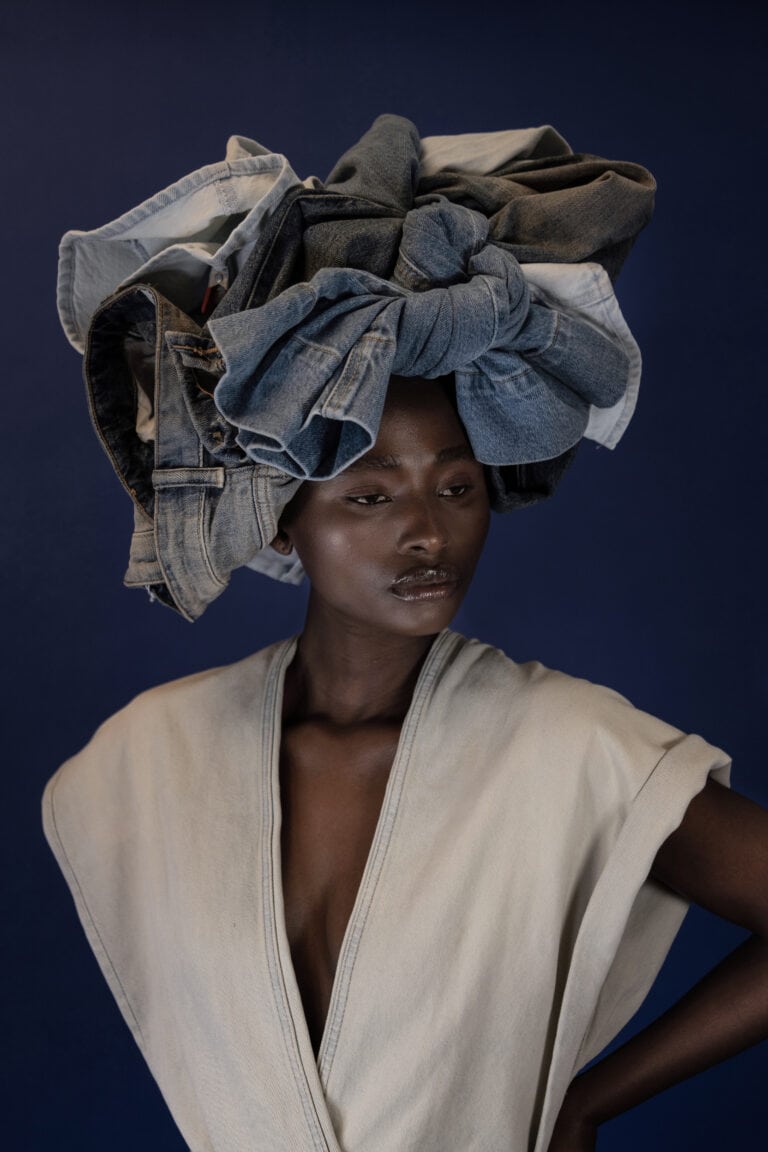
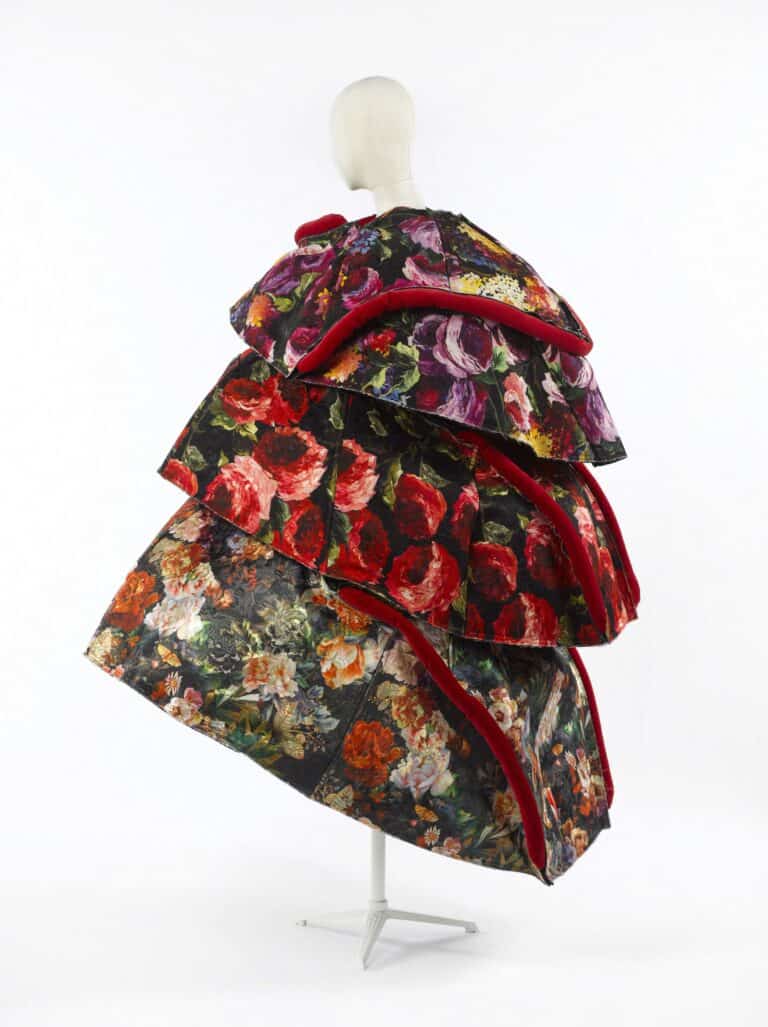
What truly sets Harry Nuriev apart is his manifesto, Transformism. It’s a design philosophy built on rethinking what already exists. Therefore, instead of creating new objects from scratch, he gives new meaning to familiar materials, furniture, and spaces. Undeniably, this approach allows overlooked or everyday elements to become visual statements. His designs invite viewers to slow down, observe closely, and reconsider their relationship with space and objects. This thoughtful and disciplined approach recently earned him international recognition. For instance, he was named Designer of the Year at Maison&Objet. This milestone acknowledges both his creative vision and his influence on contemporary design.
Collaborations and Immersive Projects
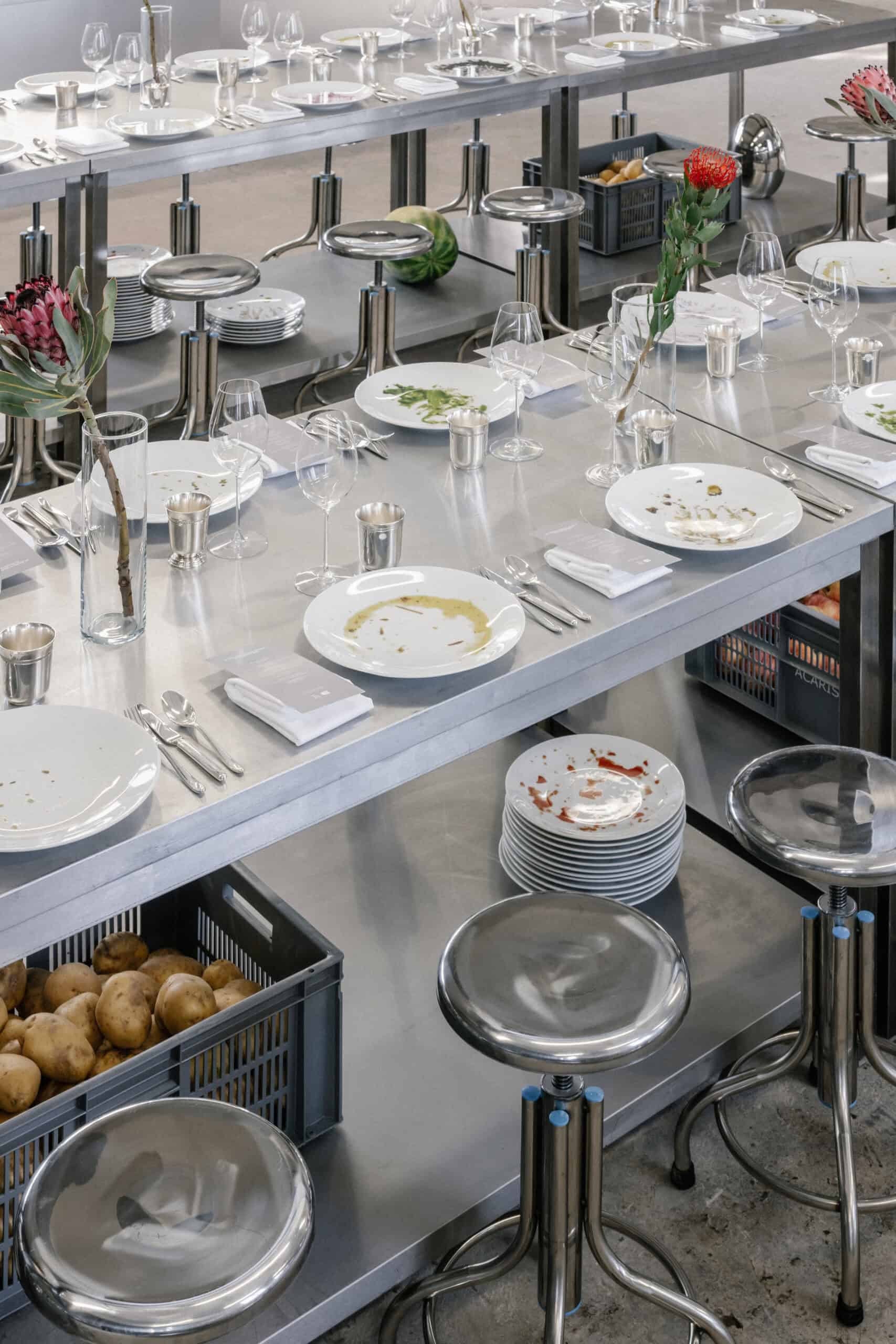
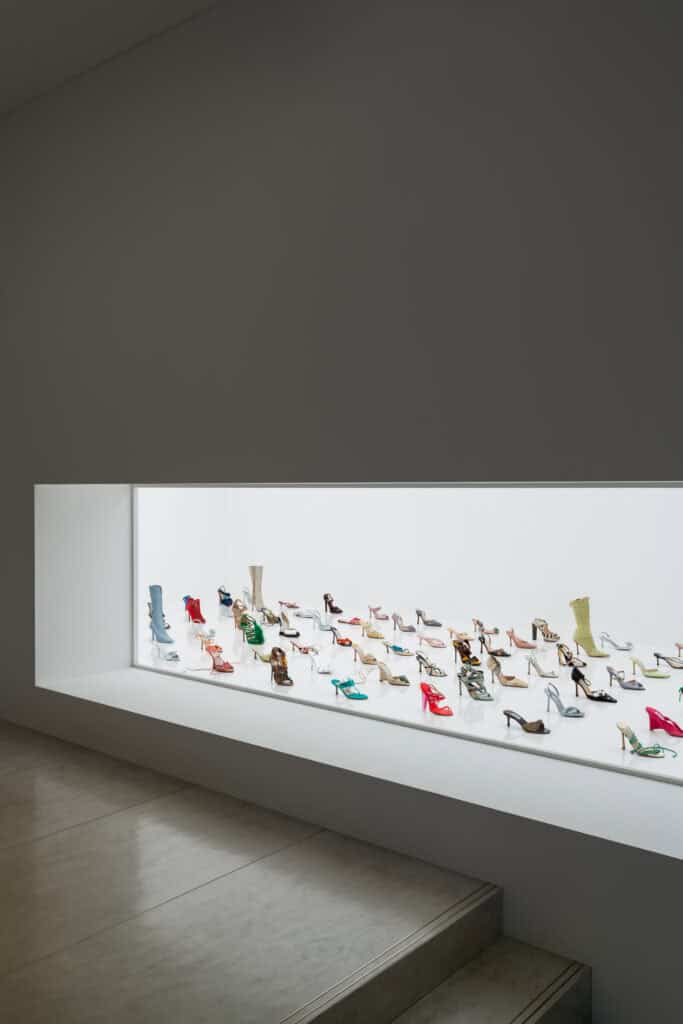
Harry Nuriev’s impact becomes clear through his wide range of high-profile collaborations. He has worked with globally recognised brands and institutions including Balenciaga, Nike, Baccarat, the Louvre, Mobilier National, Valentino, Jimmy Choo and Art Basel. Undeniably, he brings his distinct vision into both commercial and cultural spaces. Across these partnerships, Nuriev often creates immersive installations. These projects blur the line between art, design, and lived experience. At Maison&Objet 2026, he will present an immersive space shaped by his Transformism manifesto. Along with this, there will be a new home object collection created for Baccarat.

Harry Nuriev’s recognition as Designer of the Year at Maison&Objet signals a clear shift in contemporary design toward meaning, transformation, and emotional awareness. By challenging traditional boundaries, Nuriev points toward a more thoughtful and sustainable design future. Overall, It’s a future that values intention, reuse, and deeper human connection.
Share this post
Leah Ermann is a South African Fashion Business student whose identity and vision are deeply rooted in the landscapes, cultures, and contradictions of her home country. Growing up in South Africa meant being constantly aware of extremes. These realities shaped her sensitivity to the world around her and challenged her understanding of fashion as something far beyond surface-level beauty. In a place where many people are fortunate simply to own a pair of shoes, Leah learned early on that clothing carries meaning, privilege, and responsibility.
Alongside this awareness grew a profound connection to nature and conservation, spending a lot of time in the bush deepened her understanding of the impact humans have on endangered wildlife and fragile ecosystems. Leah sees fashion as a silent but powerful language, a way to express identity, values, and cultural stories without words.
She is driven by a desire to explore the deeper meanings behind collections, to learn from new cultures, and to use fashion as a platform to amplify South African creativity, resilience, and humanity. Ultimately, her goal is to create work that not only reflects where she comes from whilst learning about other cultures, but also contributes to change, honoring both people and the natural world that shaped her.
Read Next