Chess Exhibition
Leah Ermann
A Hundred Years of Chess is currently on view at Perrotin Paris, with only two weeks left to experience the exhibition.
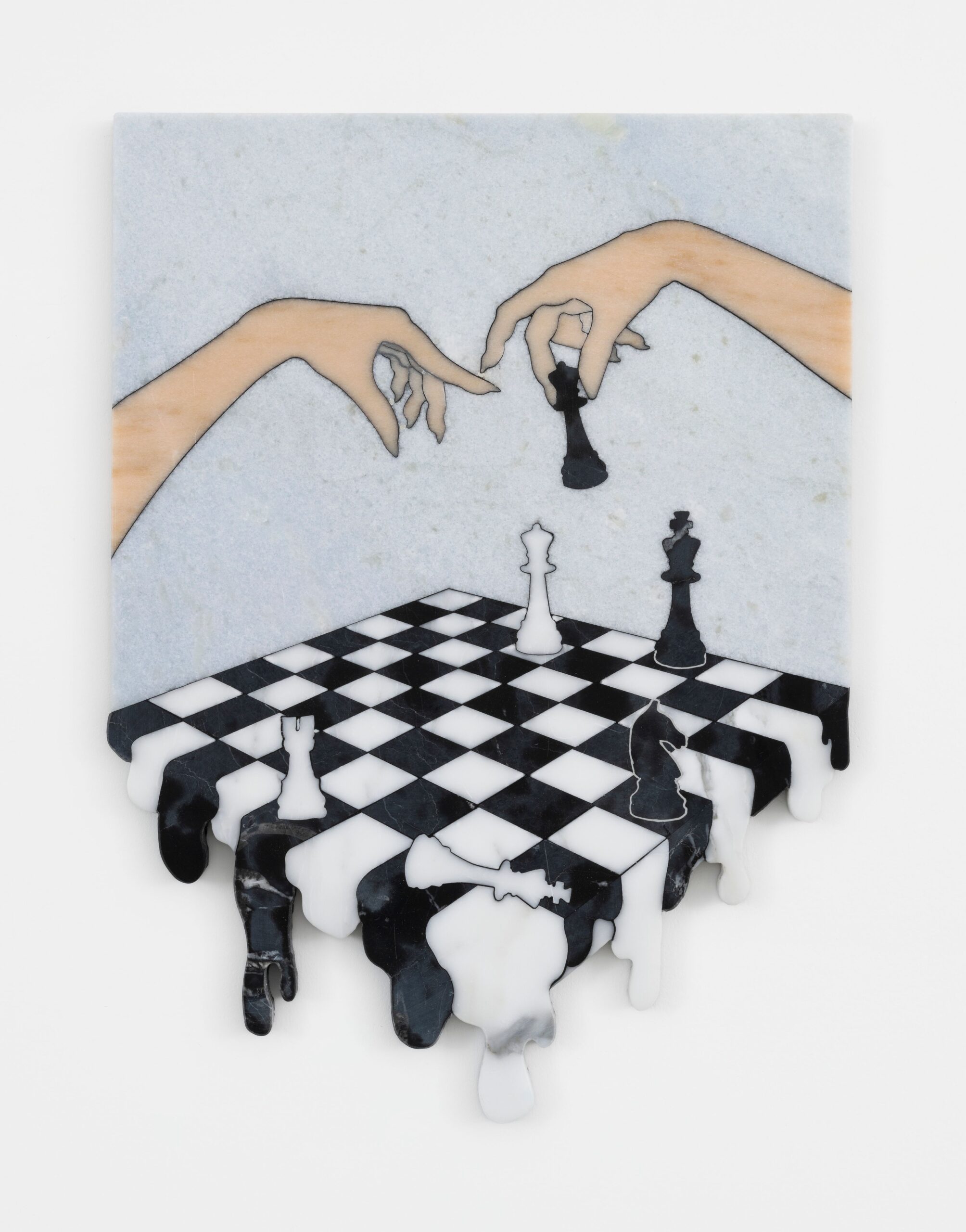
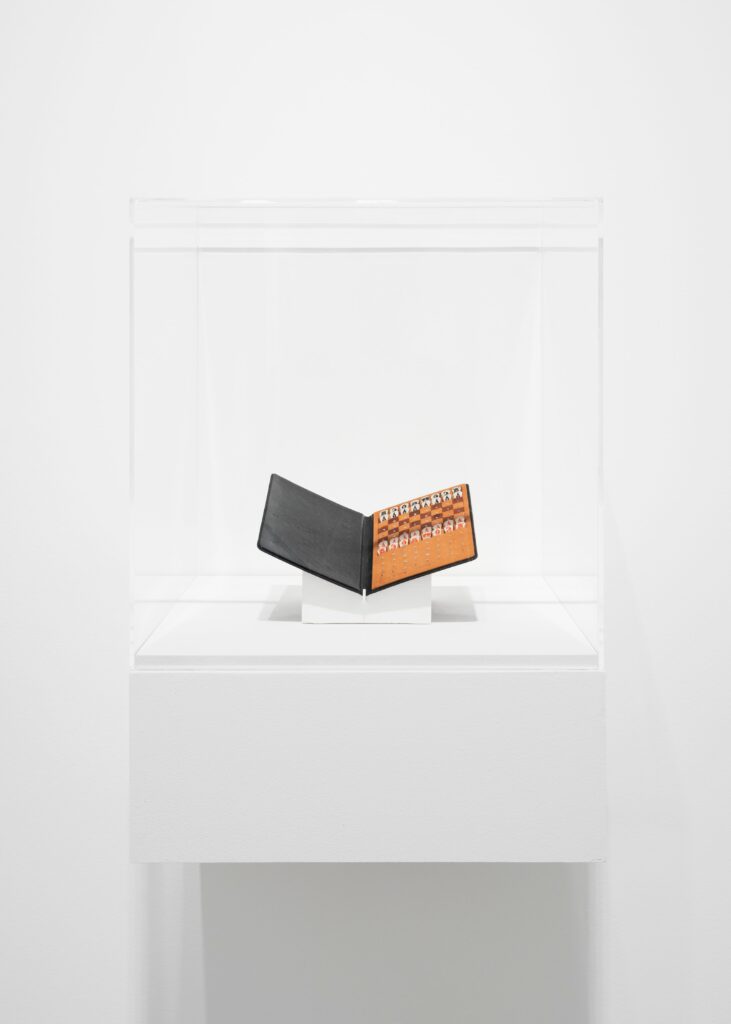
Today, the show presents chess not as a simple game, but as a powerful cultural and artistic language. At its core, chess becomes a structure through which artists explore logic, imagination, and obsession. Rather than focusing on competition, the exhibition reveals the chessboard as a powerful metaphor. It speaks to time, strategy, and human thought across a century of modern and contemporary art.
Where Logic Meets Imagination
Developed from an original idea by R. Jonathan Lambert, the exhibition examines why chess has long fascinated artists across generations. At the same time it positions the game as a space where logic and imagination collide. Within its strict rules lies a sense of infinity, compressed into a human sized board. As Lambert notes, it is “the infinite contained within a human-sized board.” Because of this tension, artists repeatedly return to chess as a mental, social, and visual language.
A Century of Chess in Artistic Dialogue
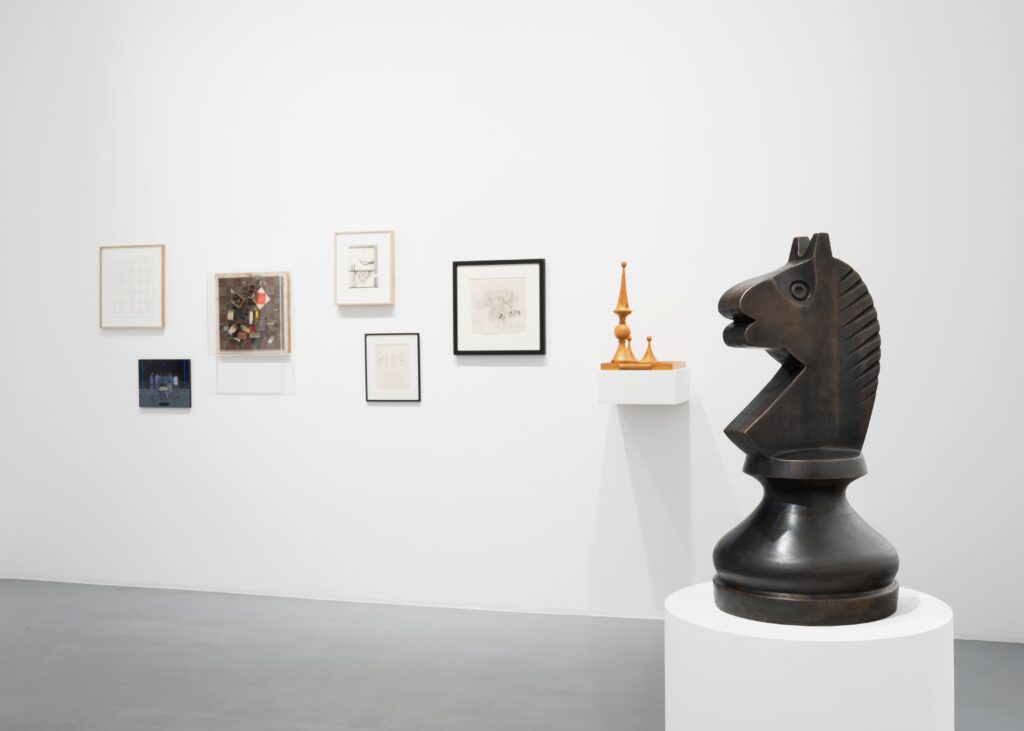
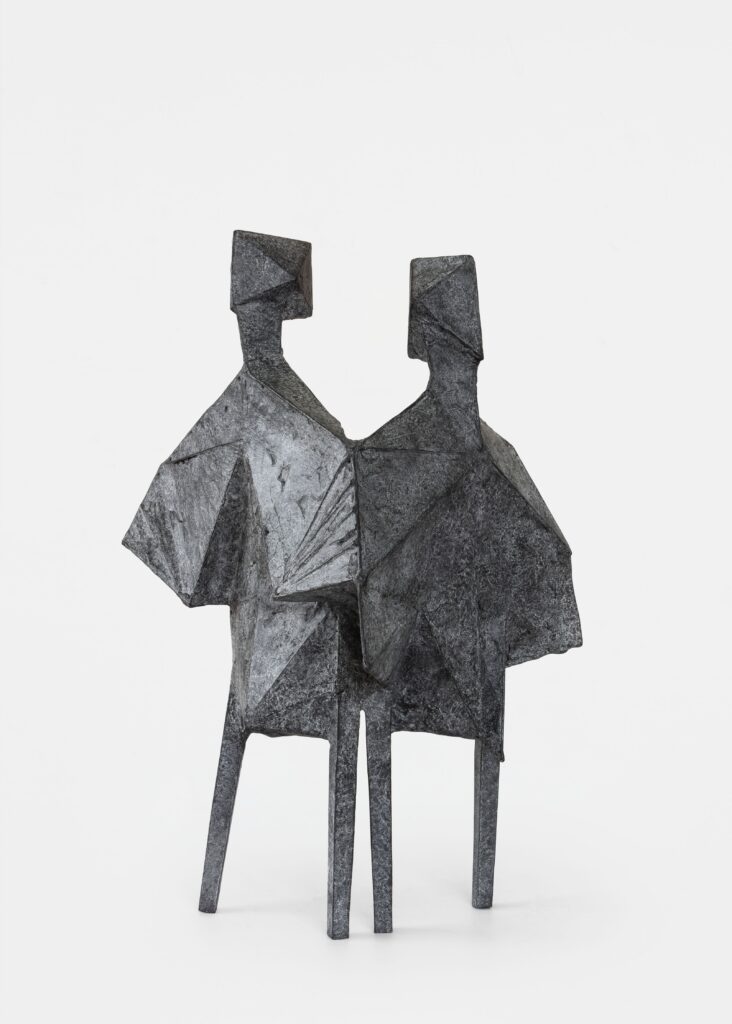
Spanning more than a century, the exhibition brings historical and contemporary voices into direct conversation. Figures such as Marcel Duchamp, Man Ray, and Lynn Chadwick established chess as a serious artistic subject, using it to explore intellect, chance, and form. In contrast, contemporary artists including Martin Parr, William Wegman, and Gregor Hildebrandt reimagine chess through photography, sculpture, and installation. Across the exhibition, artists transform the chessboard into many roles. It appears at times as a central subject, and at others as a quiet symbolic reference. Through painting, sculpture, and image making, chess becomes a visual language rather than a literal game.
From Observation to Participation
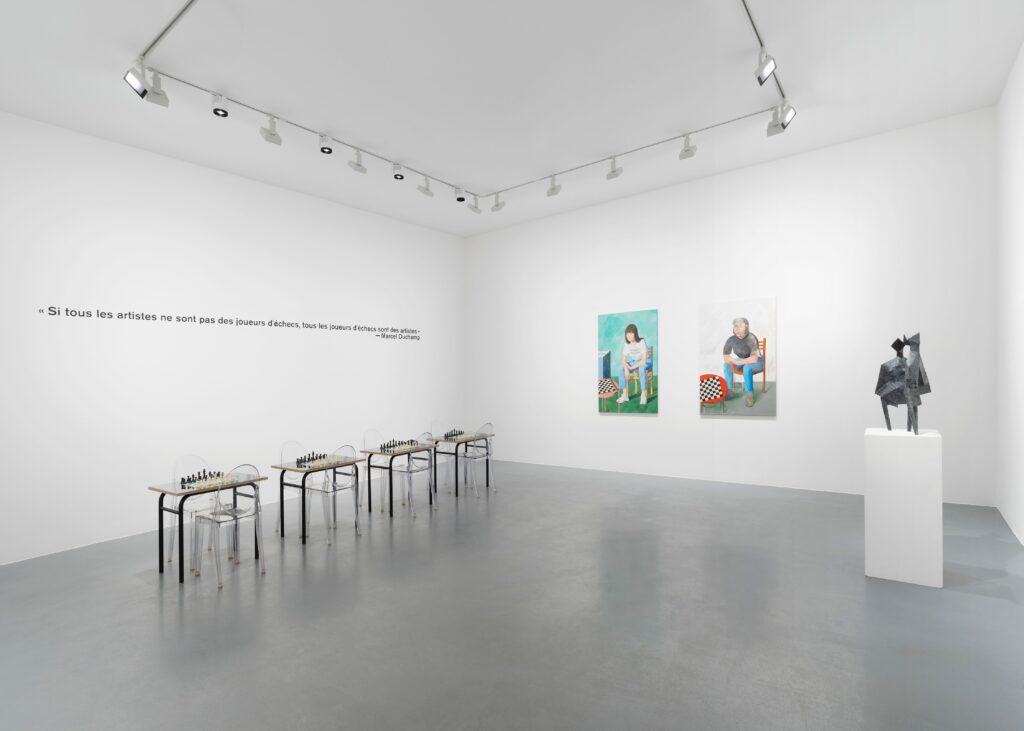
Beyond the artworks, the exhibition invites visitors to actively engage with the game itself. Chess tables are placed within the gallery, allowing viewers to play and experience the logic behind the works. In addition, a Blitz Society tournament will take place on the 14 February, extending this interaction further. This approach allows the audience to step inside the exhibition’s framework. A Hundred Years of Chess Exhibition ultimately reframes modern art through play, revealing how a simple structure can hold infinite possibilities.
Share this post

Leah Ermann is a South African Fashion Business student whose identity and vision are deeply rooted in the landscapes, cultures, and contradictions of her home country. Growing up in South Africa meant being constantly aware of extremes. These realities shaped her sensitivity to the world around her and challenged her understanding of fashion as something far beyond surface-level beauty. In a place where many people are fortunate simply to own a pair of shoes, Leah learned early on that clothing carries meaning, privilege, and responsibility.
Alongside this awareness grew a profound connection to nature and conservation, spending a lot of time in the bush deepened her understanding of the impact humans have on endangered wildlife and fragile ecosystems. Leah sees fashion as a silent but powerful language, a way to express identity, values, and cultural stories without words.
She is driven by a desire to explore the deeper meanings behind collections, to learn from new cultures, and to use fashion as a platform to amplify South African creativity, resilience, and humanity. Ultimately, her goal is to create work that not only reflects where she comes from whilst learning about other cultures, but also contributes to change, honoring both people and the natural world that shaped her.
Read Next