Johan Pertl on Cast Glass, Process, and Letting Light Lead
Leah Ermann
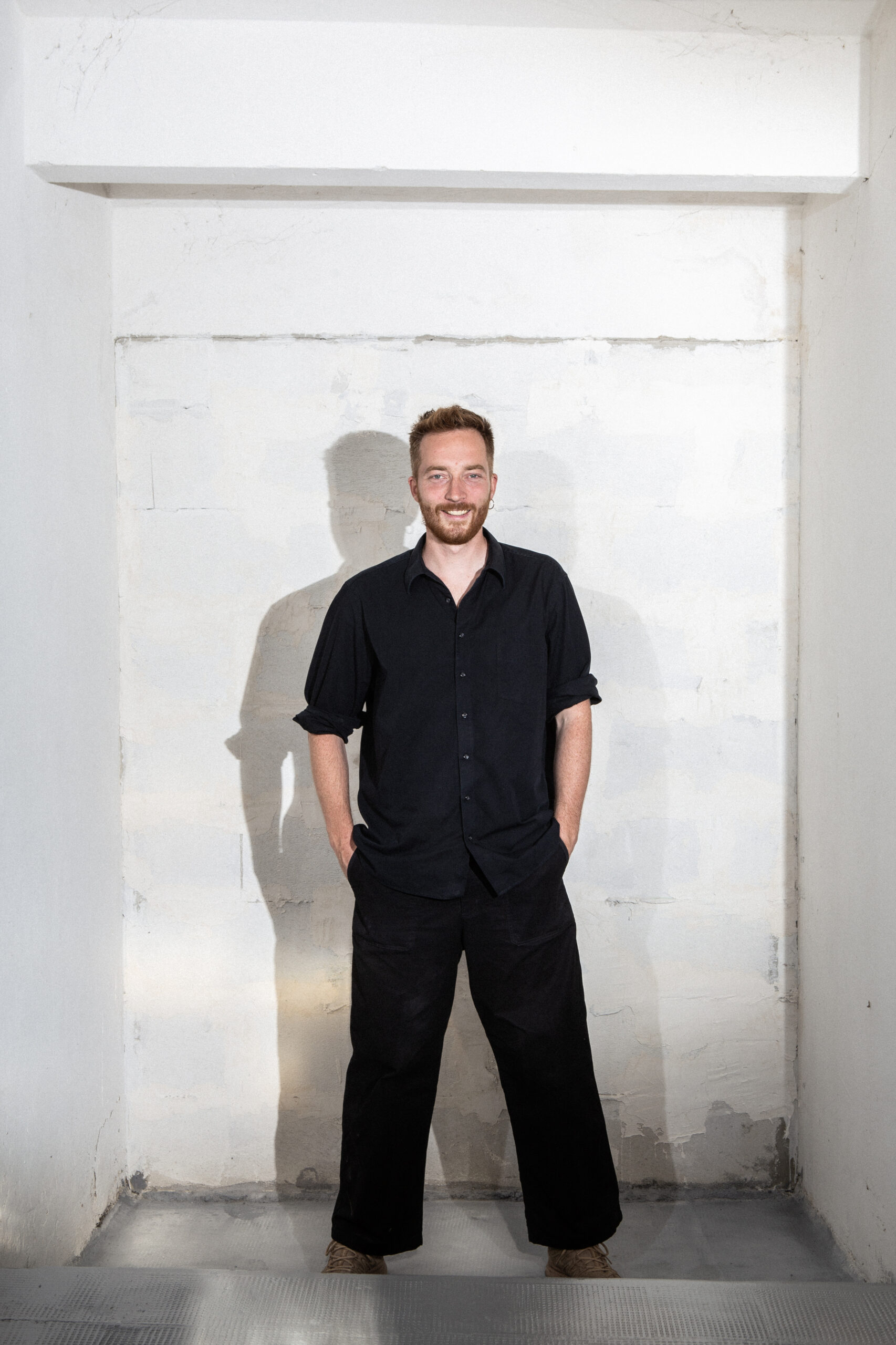
Johan Pertl: When Glass Shapes Itself
Working between design and sculpture, Czech glass artist Johan Pertl explores the quiet power of material, process, and light. Although he grew up in the Vysočina region, known for its glassmaking heritage, his connection to glass developed later through a deep relationship with nature and making by hand. Today, Pertl is known for his cast glass works, which embrace natural movement, patience, and experimentation. In this interview with IRK, he reflects on his upbringing, his approach to cast glass, key influences, and how sustainability and innovation shape his evolving practice.
IRK: You grew up in the Vysočina glassmaking region. How did that environment shape your early relationship with glass?
Johan Pertl: I grew up in the Vysočina region, but glass did not play a role in my early childhood. Instead, my strongest influence came from time spent at my grandfather’s summer cabin in the forest. I worked with wood in a small workshop, built fires, and played in forest streams. This environment shaped my love for making things and for nature. My relationship with glass developed much later.
IRK: What draws you to cast glass, and what freedoms or challenges does it offer compared to other materials?
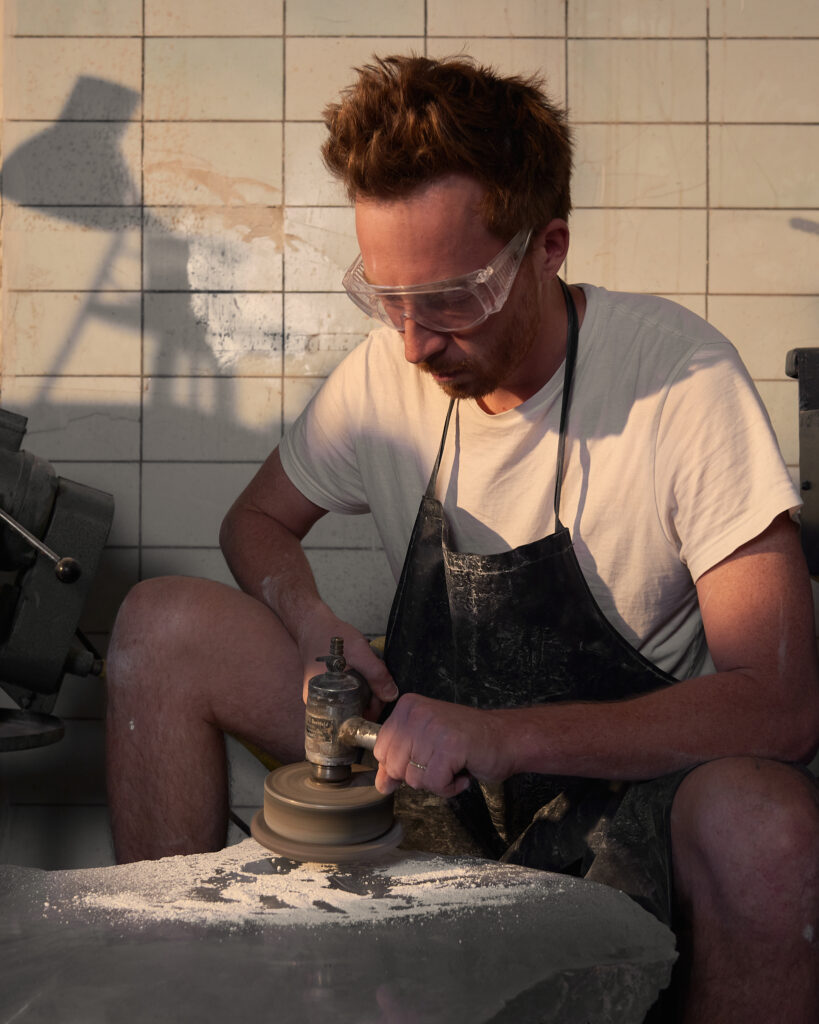
Johan Pertl: At first, I was drawn to cast glass because it allowed me to create free-formed objects without relying on other artisans. Hand-blown glass feels limiting to me. Cast glass offers far more freedom. However, it also demands more time, labor, and patience.
IRK: Which artists, architects, or movements have influenced your thinking?
Johan Pertl: Several figures have shaped my approach. I am inspired by Constantin Brancusi, Michael Heizer, Andrea Branzi, and Victor Papanek.
IRK: How important are elements like light, movement, and people to the experience of your work?
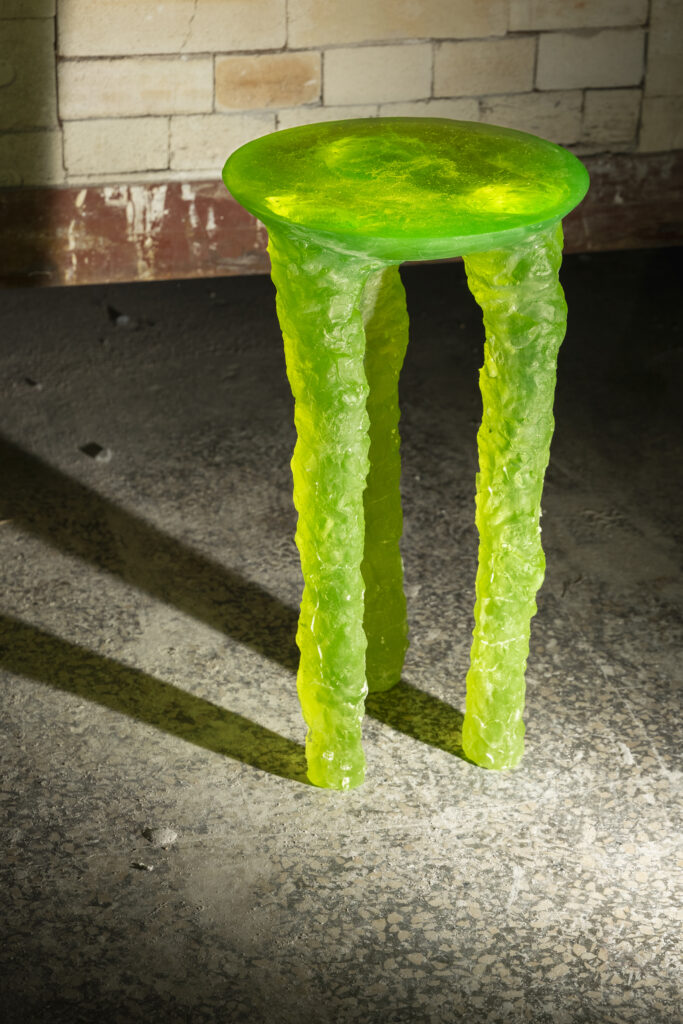
Johan Pertl: Light is essential. Without light, glass simply stops existing.
IRK: What advice would you give to young designers who feel intimidated by working with glass?
Johan Pertl: Do not give up.
IRK: Do you see your work as functional design, sculpture, or something in between?
Johan Pertl: I see my work as something in between. Sometimes it leans toward function, and sometimes it has no function at all. I follow clear principles in my practice. These include material sensitivity, natural surfaces, and constant experimentation with new processes.
IRK: Can you tell us more about your recent projects or collections, such as Flow?
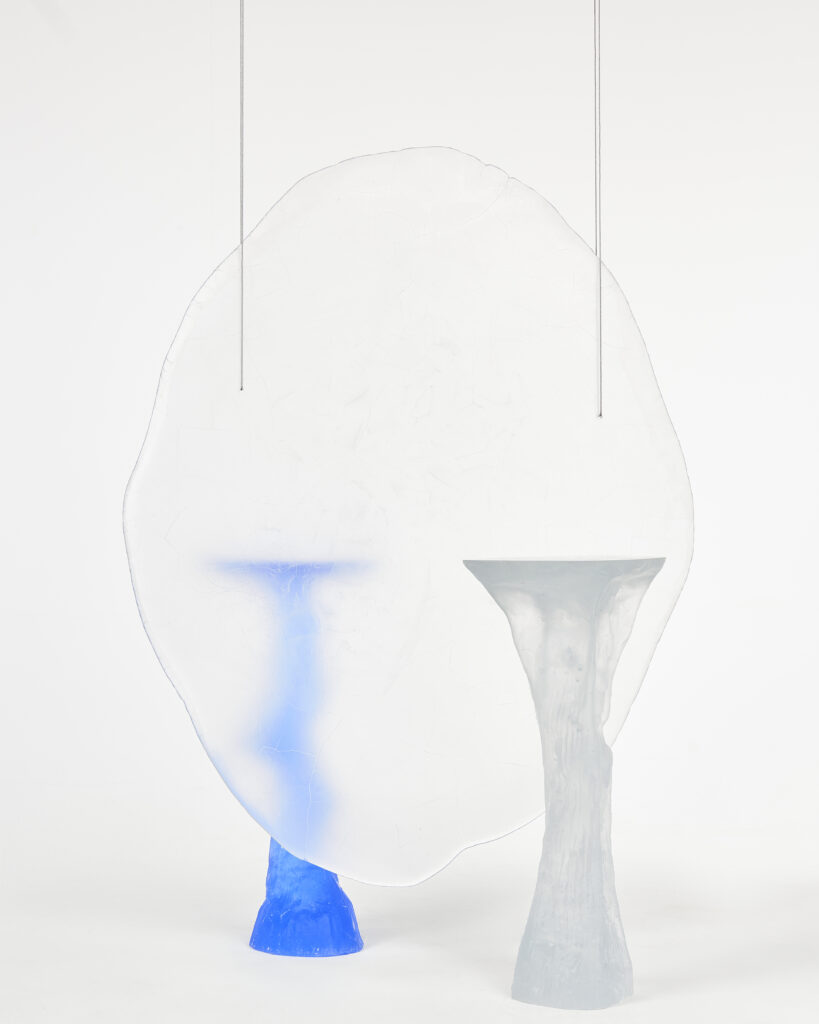
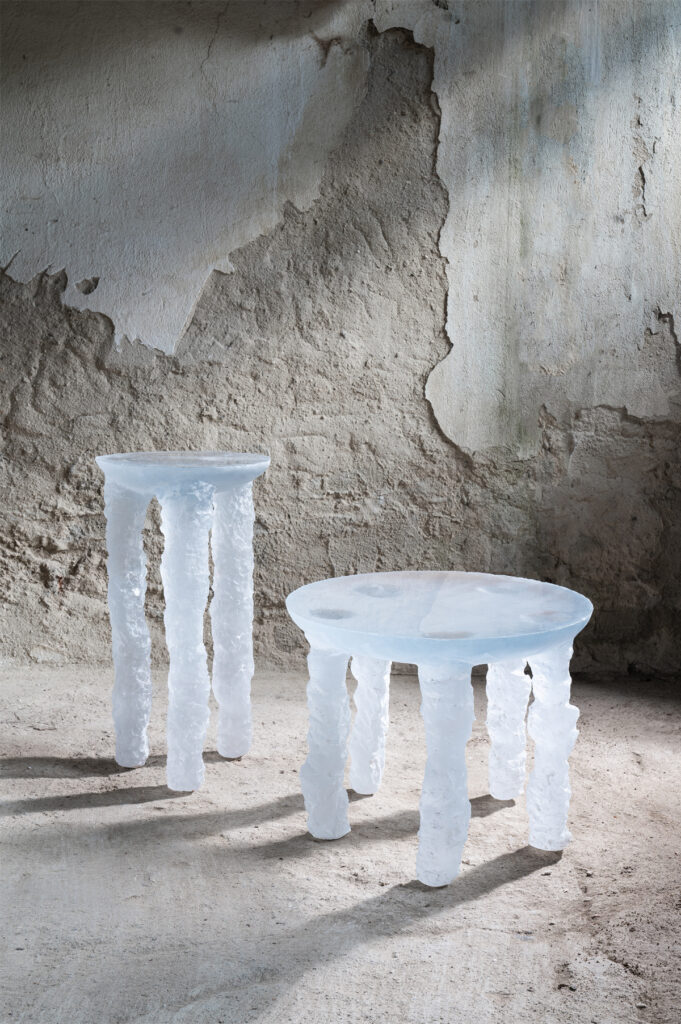
Johan Pertl: I am currently working on a large series of vases that resemble melting ice.
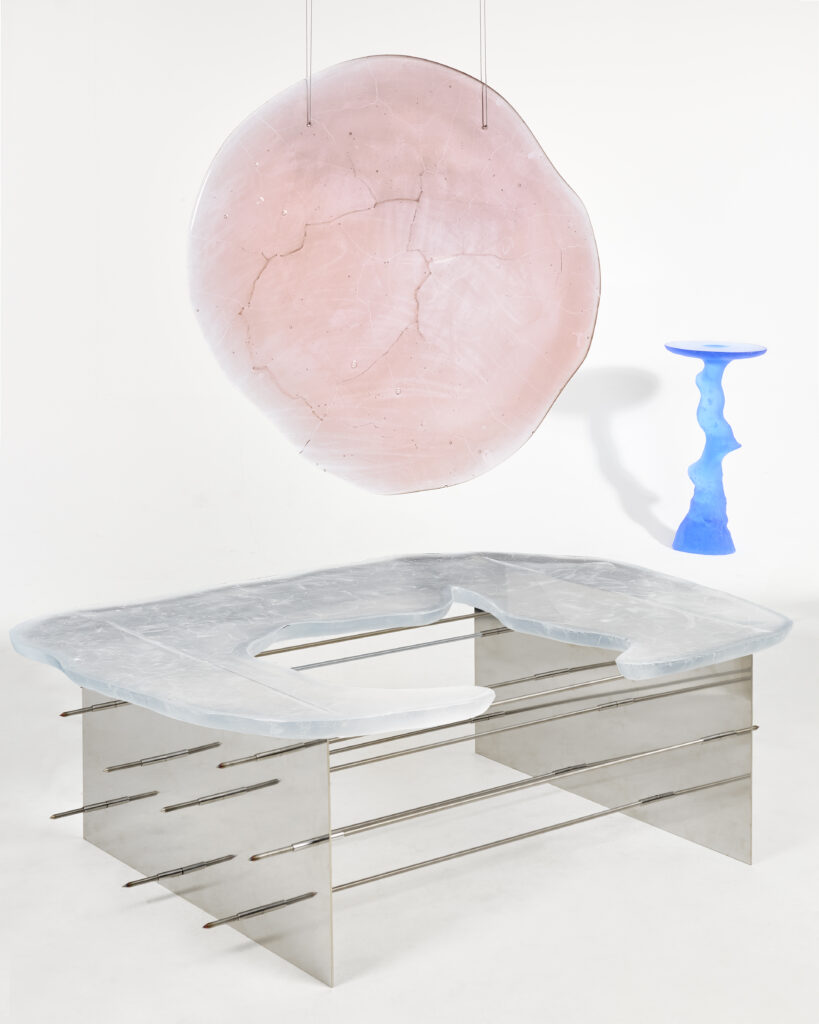
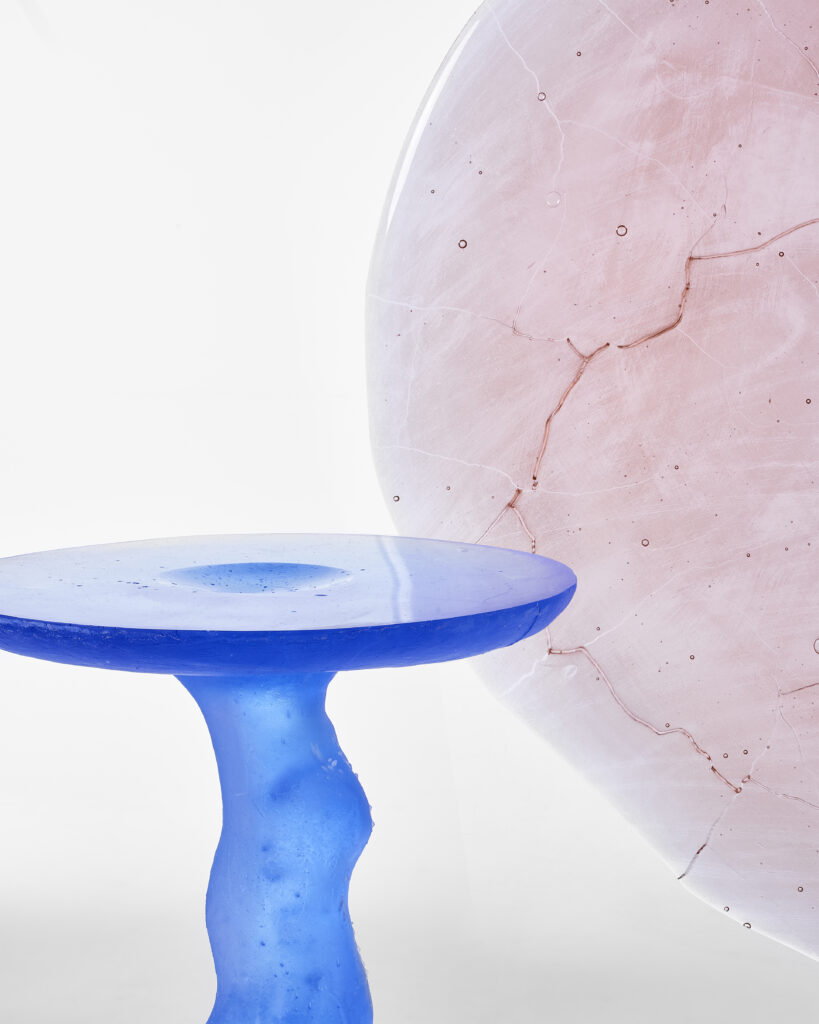
The Flow collection draws inspiration from the natural movement of glass at high temperatures. The Flow wall object largely shapes itself. I create a large mold in the kiln, place the glass in the center, and heat it until the material moves on its own.
IRK: How do you see your practice evolving in the coming years?
Johan Pertl: Together with friends, I recently rented a beautiful space in Prague. I hope it becomes a shared and active place to work. In my own practice, I am now focusing on larger outdoor sculptures. Later this year, I plan to travel to Kenya for my PhD research. My project explores the use of solar energy in metal and glass production in regions with limited infrastructure.
IRK: What do you hope viewers feel when they encounter your work in person?
Johan Pertl: I hope my work makes people feel calm and connected, even if only for a moment. I want it to speak to them and not be seen as a purely decorative object.
IRK: Is there a project that feels especially defining for you?
Johan Pertl: Utopia is one of my most important projects. Through it, I developed a new mold-making technique. This method allows me to create complex forms while reducing kiln time from five weeks to just one. As a result, I save material, lower electricity use, and reduce environmental impact.
Through his work, Johan Pertl treats glass as both a material and a living process. He allows heat, gravity, and light to guide form, rather than forcing control. From intimate objects to large scale outdoor sculptures, his practice continues to expand in scale and ambition. At the same time, projects like Utopia and his PhD research show a clear commitment to sustainability and responsible production. Ultimately, Pertl’s work invites viewers to slow down, feel connected, and experience glass beyond decoration.
Share this post
Leah Ermann is a South African Fashion Business student whose identity and vision are deeply rooted in the landscapes, cultures, and contradictions of her home country. Growing up in South Africa meant being constantly aware of extremes. These realities shaped her sensitivity to the world around her and challenged her understanding of fashion as something far beyond surface-level beauty. In a place where many people are fortunate simply to own a pair of shoes, Leah learned early on that clothing carries meaning, privilege, and responsibility.
Alongside this awareness grew a profound connection to nature and conservation, spending a lot of time in the bush deepened her understanding of the impact humans have on endangered wildlife and fragile ecosystems. Leah sees fashion as a silent but powerful language, a way to express identity, values, and cultural stories without words.
She is driven by a desire to explore the deeper meanings behind collections, to learn from new cultures, and to use fashion as a platform to amplify South African creativity, resilience, and humanity. Ultimately, her goal is to create work that not only reflects where she comes from whilst learning about other cultures, but also contributes to change, honoring both people and the natural world that shaped her.
Read Next