
La Sape: A Celebration of Style and Identity in Congo
Anji Connell
La Sape, short for Société des Ambianceurs et des Personnes Élégantes (Society of Ambience-Makers and Elegant People)
La Sape, short for Société des Ambianceurs et des Personnes Élégantes (Society of Ambience-Makers and Elegant People). Is a vibrant cultural movement in Congo that beautifully combines fashion, identity, and social pride. As the famous Congolese musician Papa Wemba once said, “White people invented the clothes, but we make an art of it.”
Papa Wemba
Jules Shungu Wembadio Pene Kikumba, (14 June 1949 – 24 April 2016). Known professionally as Papa Wemba, was a Congolese singer and musician who played Congolese rumba, soukous, and ndombolo. Dubbed the “King of Rumba Rock,” he was one of the most popular musicians of his time in Africa and played an important role in world music. He was also a fashion icon who popularised the Sape look and style through his musical group Viva la Musica. With whom he performed on stages throughout the world.
In 1979, Papa Wemba became the unofficial leader of La Sape. His whole attitude about dressing well was part of the narrative that, Africans have been denied humanity for so long. People have always had stereotypes about ‘us,’ and saying dressing well is not just a matter of money, not just something for Westerners, but that Africans also have elegance. It was all about defining ourselves and refusing to be stripped of our humanity.
La Sape is about more than just fashion—it’s a celebration of the rich cultural heritage of Congo, shaped significantly during its colonial past under France and Belgium. The movement showcases the creativity and strength of the Congolese people, illustrating their resilience in the face of adversity and highlighting the importance of artistic expression and community spirit.
Living in a context far from luxury
In a country where many struggle with poverty, the Sapeurs act as vibrant symbols of style and cultural identity. These individuals don flamboyant suits that blend traditional artistry with Western influences, transforming dressing into a powerful statement that contrasts sharply with their everyday challenges.
Despite living in a context far from luxury, many Sapeurs save meticulously, sacrificing in other aspects of life to afford designer clothing that reflects their aspirations and individuality. For them, style transcends mere appearance; it boldly declares dignity and self-worth in a world often overshadowed by hardship. With elegance and grace, they reclaim their narratives, challenging the lingering effects of colonialism and celebrating their heritage.
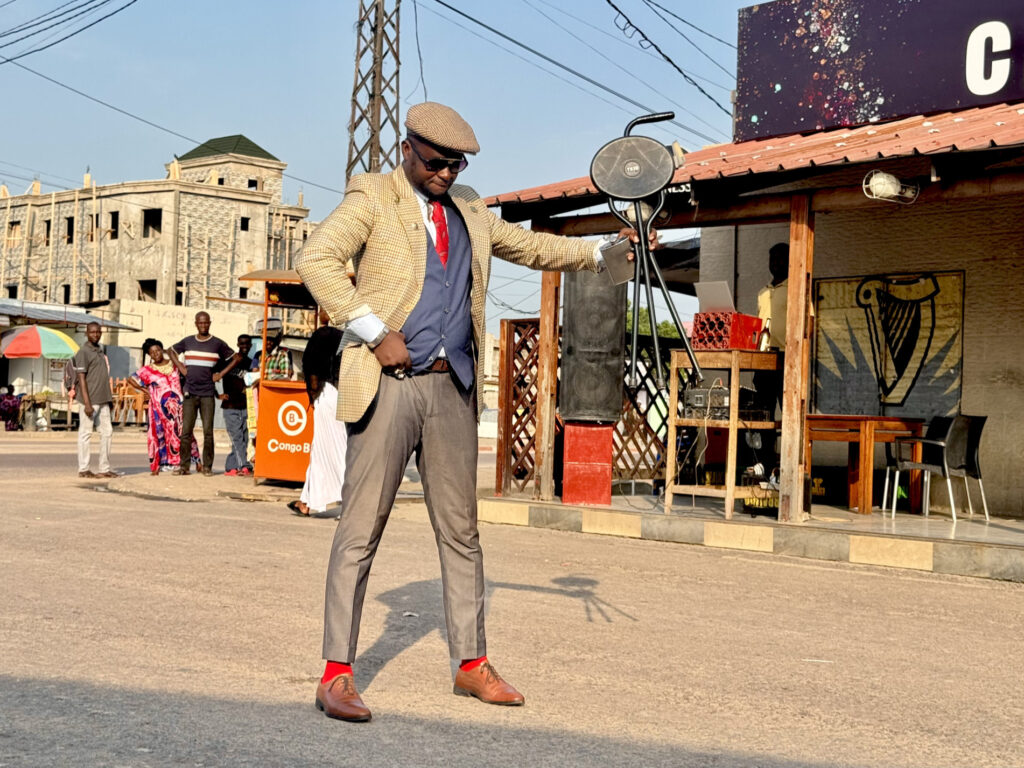
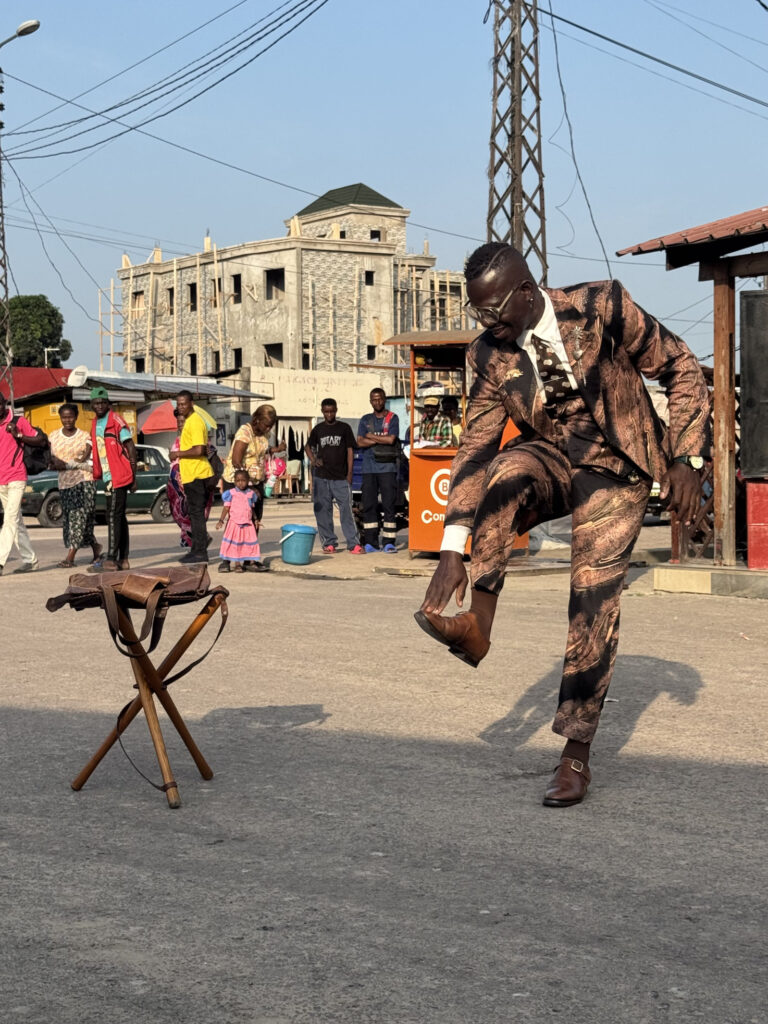
As they navigate the streets of Brazzaville, they become performers, using public spaces as their runway. By day, they may be taxi drivers or gardeners, but once the workday ends, they transform into impeccably dressed dandies, showcasing their creativity and joie de vivre.
Dressed in eye-catching outfits—tailored suits, dapper bow ties, vibrant pocket squares, and stylish fedoras—the Sapeurs glide down dirt roads with an undeniable sense of pride. Their flamboyant attire is not just fashion; it’s a celebration of resilience and a reminder that beauty can flourish even amidst challenging circumstances.
La Sape is more than escapism
While some may view their spending on designer items as excessive. Given that over 70% of the population lives in poverty, La Sape is more than escapism. It serves as a form of social activism, challenging harsh economic realities and boldly rebelling against societal norms.
The roots of this movement stretch back to the 1920s when young Congolese men began wearing stylish clothing to disrupt colonial supremacy. They rejected hand-me-downs from their French and Belgian masters, choosing instead to express their individuality by purchasing the latest fashions from Paris with their meager wages.
Commitment to fashion
La Sape is built on values that blend style with community and personal conduct. Sapeurs prioritise looking sharp and maintaining cleanliness, not only in their attire but also in their grooming. They promote humility, respect, and peaceful interactions, making them role models in a region often marked by poverty and conflict.
Their commitment to fashion intertwines with a moral code that reflects compassion and goodwill. Through their dedication to style, the Sapeurs embody a lifestyle that celebrates beauty, self-respect, and a deep sense of community. Proving that even in challenging times, elegance and pride can thrive.
What might seem like mere “dressing up” from the outside. Is an uplifting way of life that brings meaningful connections and a sense of purpose to their everyday struggles. Each vibrant outfit tells a story of resilience, creativity, and a refusal to be defined by circumstance its beyond wealth. It’s about grace, joy, and self-expression, not necessarily riches, though they invest heavily in their look. This is what part of being a sapeur is all about. Looking and feeling like a million dollars even though your environment and real life are much more challenging.
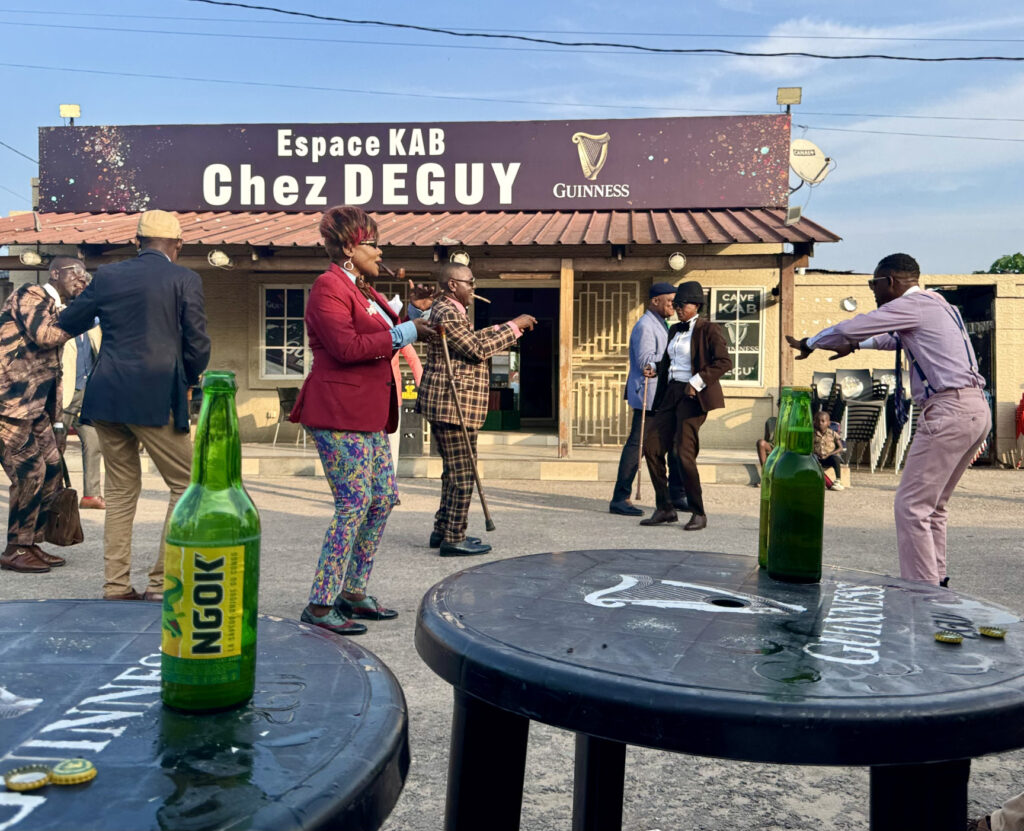
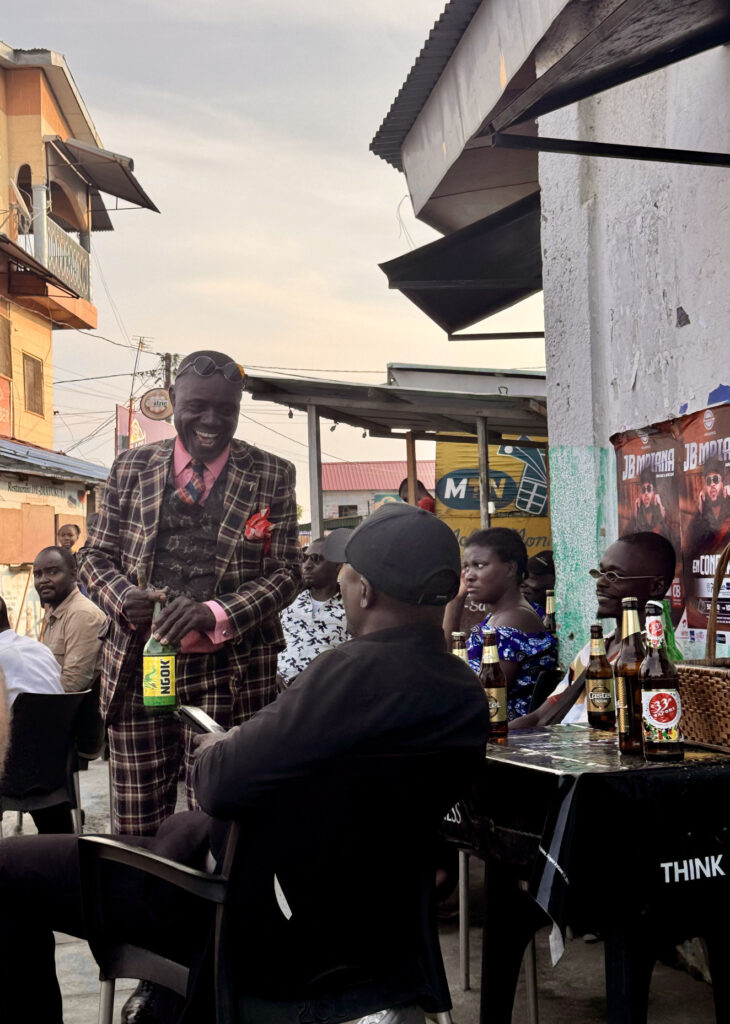
Today, Sapeurs of all ages continue to embrace the movement. Celebrating their culture and dressing to impress like never before, celebrating African identity through European fashion tropes, in a movement passed down through generations. Women banned for over 90 years are now welcome. For some its a family affair. Sapeur culture is widely considered to be a real and vital element of Congolese life. The Sapeurs can only exist in peacetime, they’re a sign of better things: stability, tranquility. They indicate that the nation is returning to normal life after years of civil war.
The Brazzaville Sapeurs
The vibrant spirit of the Sapeurs lives on in both the Republic of Congo (ROC) and the Democratic Republic of the Congo (DRC). The Brazzaville Sapeurs, with roots dating back to the 1920s, embody a traditional elegance that exudes classic charm and a refined, conservative vibe. In contrast, the Kinshasa Sapeurs emerged in the dynamic 1970s as a colourful and fearless form of socio-political protest. Boldly challenging societal norms. Their style is an exhilarating explosion of wild eclecticism. Where anything goes. From avant-garde Yamamoto designs to stylish kilts, radiant colors, and daring combinations of materials. With a flair for the theatrical, they transform streets, bars and stadiums into vibrant stages for social activism and artistic collaboration. The Sapeurs are not just a fashion statement; they are a movement, igniting creativity and inspiring change.
However, the recent omission of the Sapeurs from from the recent Met Gala has sparked considerable debate and controversy. Their absence highlights ongoing conversations about representation, cultural appreciation, and the critical role of diversity in the fashion industry. The Sapeurs represent a vibrant and essential part of the fashion tapestry. Their omission serves as a reminder of the work still needed to ensure all voices are heard and celebrated within the global fashion narrative.
Share this post

Anji Connell is an internationally recognised interior architect, garden designer and self-proclaimed nomad. Known for her fabulous persona and her even more exquisite taste in all things design. She regularly writes for a variety of International titles on subjects such as art, design, lifestyle and travel from her globe-trotting adventures.
She divides her time between London, Hong Kong and South Africa.
Read Next