Manga a Language that Speaks to Everyone
Dounia Baco
The Guimet Museum: Manga as a Whole Art
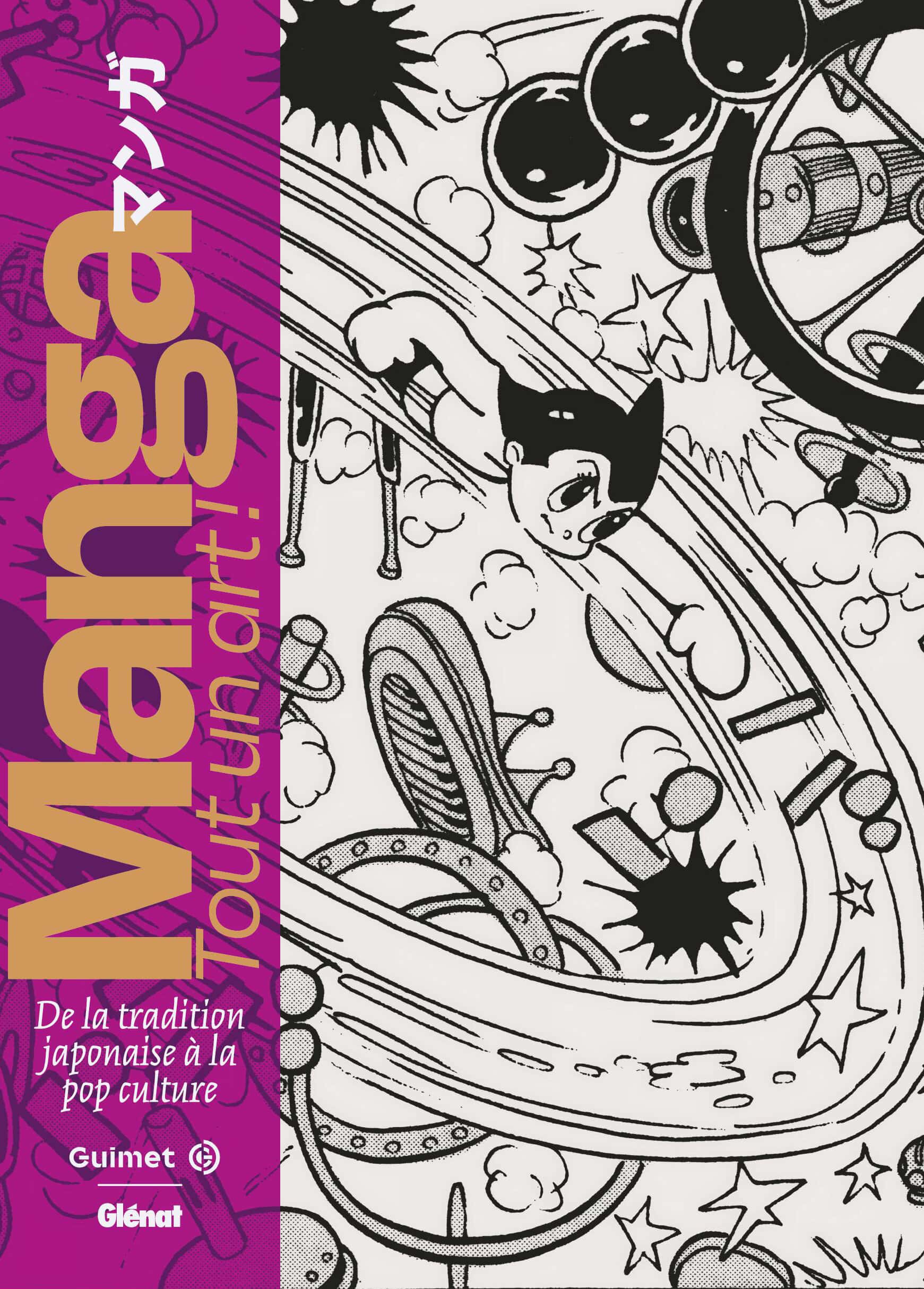
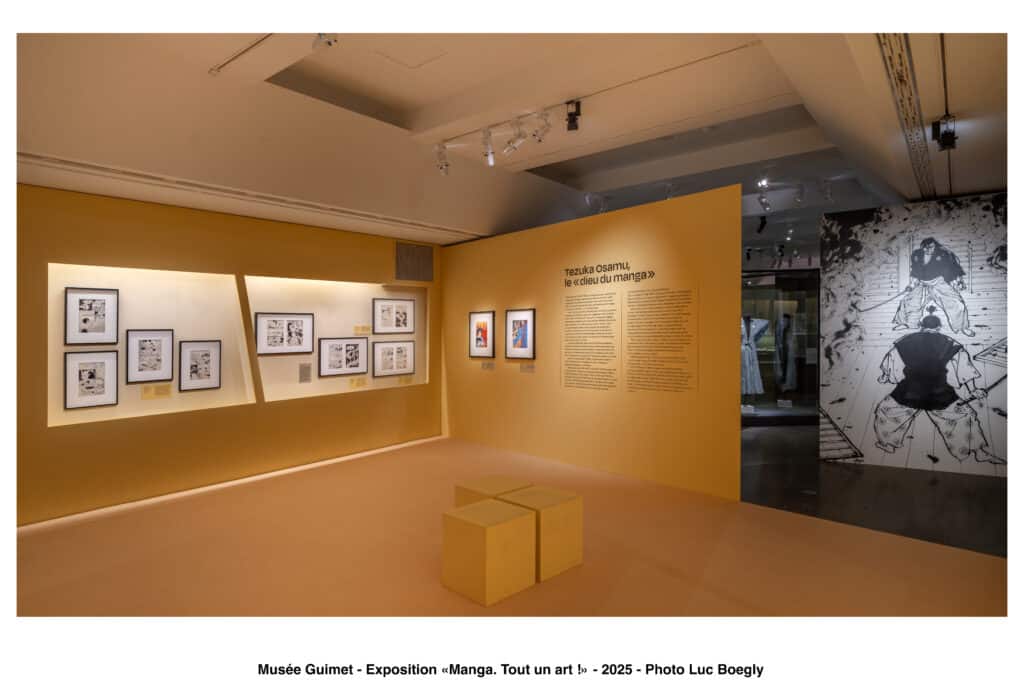
Manga has been shaping the way the world imagines heroes, monsters, and destiny for decades, and the Guimet Museum in Paris is finally giving that influence the serious spotlight it deserves. Its current exhibition explores manga culture by tracing the visual roots behind its most recognisable icons and presenting the works that helped spark the energy of titles like Naruto, One Piece, and Fairy Tail.
Running from 19 November 2025 to 9 March 2026, it is less fan service and more a curated deep dive into the art, myths, and aesthetics that manga remixed into a global obsession. If you want to see what came before the panels and where the style, symbols, and storytelling instincts were born, this is the exhibition to catch in Paris.
Manga and Japanese Folklore: An Immersive Exhibition
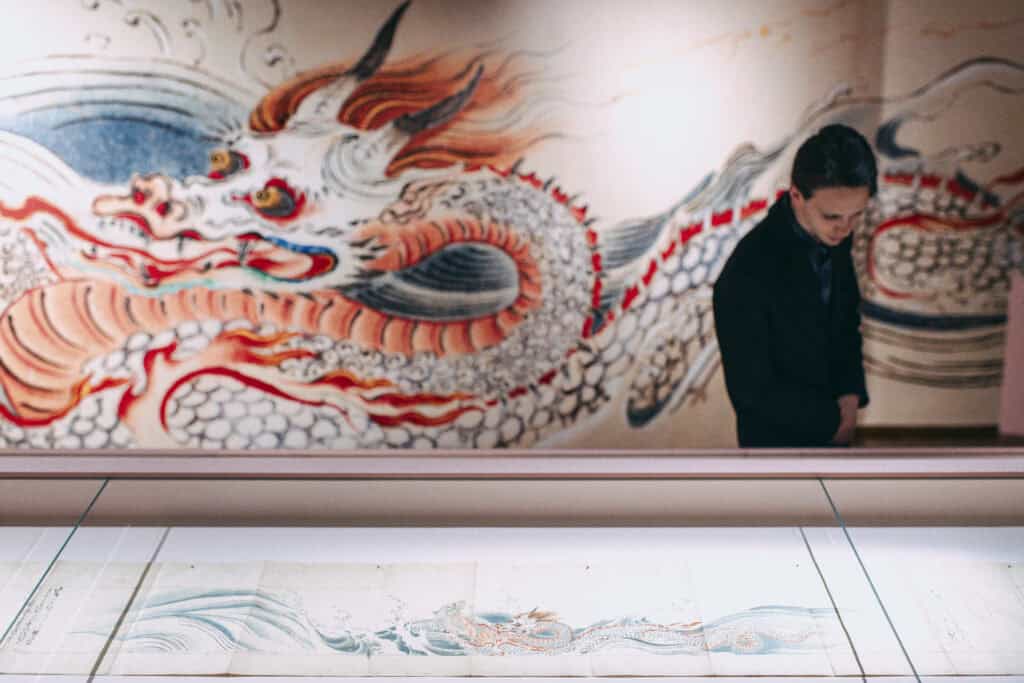
This exhibition immerses visitors in Japanese culture and manga. Many beloved manga series draw from places, myths, and legends rooted in Japanese folklore.
Visitors enter a world of painted scrolls and illustrated books from the 18th and 19th centuries. The works are presented both for their artistic value and for the ways they shaped manga’s visual language. They also show how graphic traditions evolved across historical contexts, and how visual storytelling in Japan has long moved fluidly between the sacred, the comic, and the spectacular.
These works demonstrate the breadth of Japanese visual narratives, spanning genres from sharp humour to powerful, emotionally charged tales.
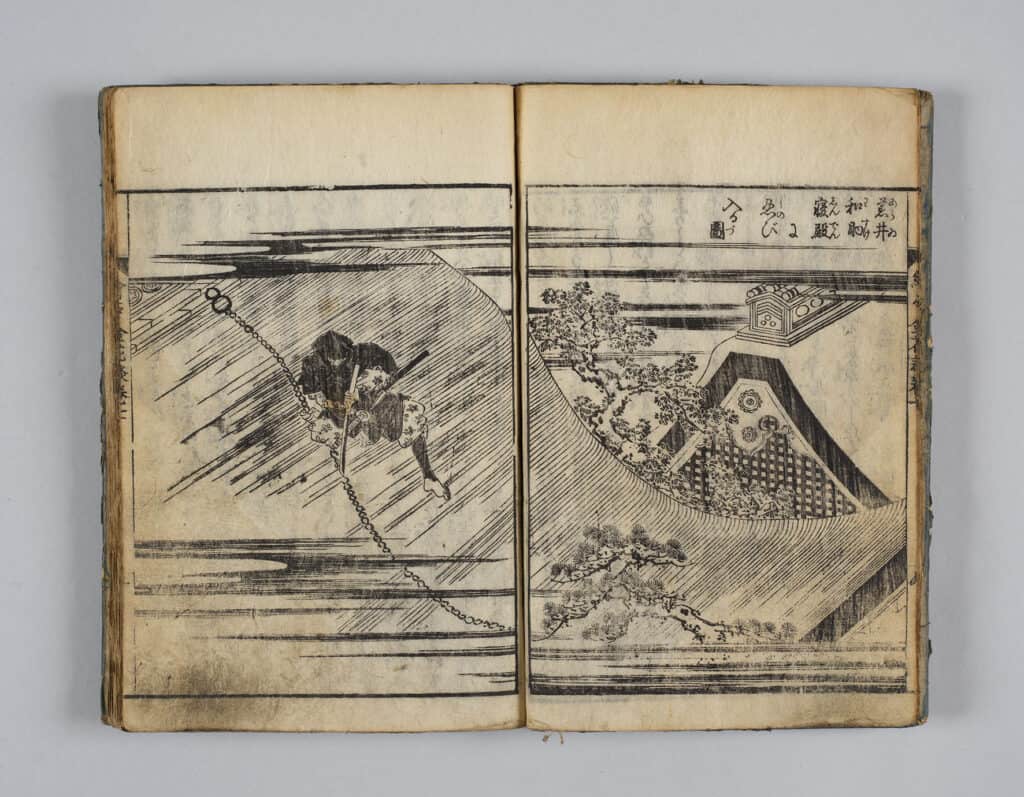
Japanese Myths and Legends in Manga
In manga, the influence of tales and legends plays a major role in creating some of the most captivating stories. Take Kishimoto, the mangaka behind Naruto and its sequel Boruto.
In Naruto, we follow the adventures of the young ninja Uzumaki Naruto, who hosts the nine-tailed fox demon Kyubi. This character draws on the legendary Kitsune (狐), a fox spirit within the yōkai family of Japanese supernatural beings. It is a clear example of how Japanese mythology and religious traditions continue to shape manga storytelling and inspire its fantastical elements, reflecting the deep influence of Japan’s spiritual and artistic heritage on narrative world-building.
The Kitsune and Religious Symbolism in Naruto
The Kitsune is said to possess many powers, including the ability to take the form of a young woman. In some traditions, Kitsune are messengers of Inari, a kami associated with rice and prosperity. They are often described as cunning and playful, known for tricking humans. Although Kyubi, also known as Kurama, differs from the Kitsune in important ways, the shared symbolism is easy to recognise.
Kishimoto also drew inspiration from hand seals reminiscent of mudra-style gestures associated with Buddhist ritual practice for the techniques (jutsu) used by his characters. Together, these references underline how deeply Japanese religious and artistic culture can inform manga.
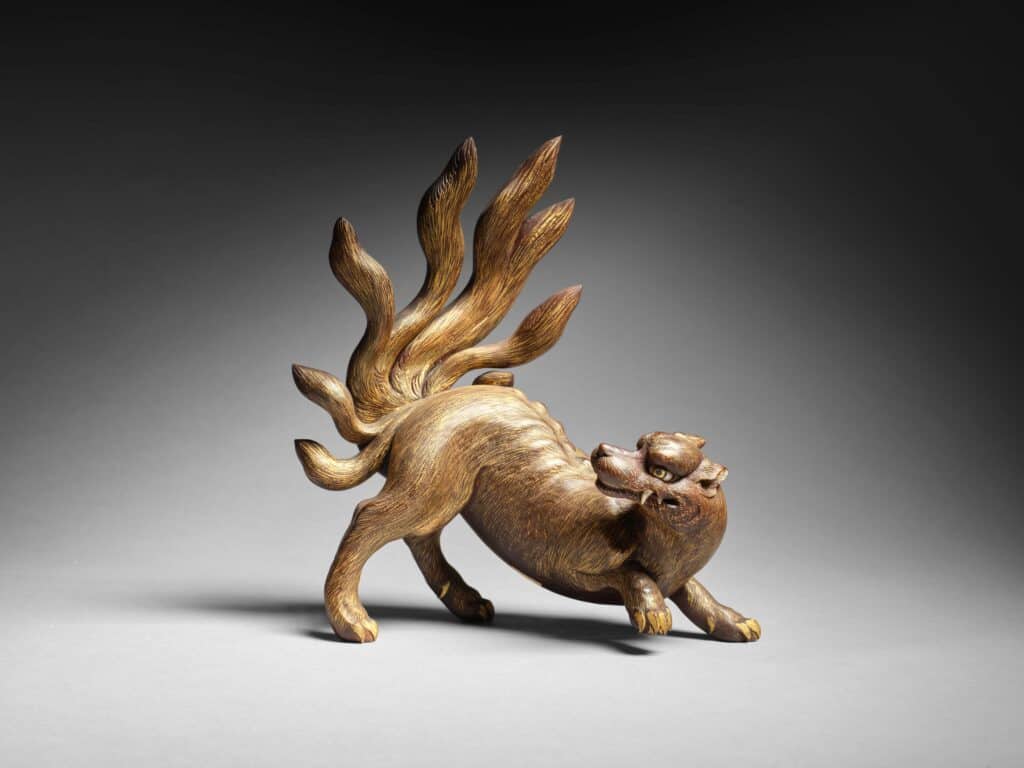
d’Ennery, 1908
Traditional Japanese Theatre and Demon Slayer
Kishimoto is not alone. Many mangaka draw inspiration from myths and legends, as well as from other forms of Japanese art.
The creator of Demon Slayer, for example, explores themes that echo traditional Japanese theatre: memory, family ties, and the capacity for compassion towards those whom suffering has turned into monsters. These ideas run through characters such as Kamado Tanjiro and his sister Nezuko, Tomioka Giyu, and Gyomei Himejima.
The theatrical parallels are especially visible in the masks. Elements linked to stage traditions, including kyōgen and nô aesthetics, are often evoked in the visual language of the series. Demon Slayer has also been adapted for the Noh stage.
Chinese Influence in Dragon Ball
Another key reference point is Dragon Ball, whose creator drew inspiration from Journey to the West, the classic Chinese novel featuring the Monkey King. This connection is visible in the name Son Goku, as well as in the magic cloud and extendable staff drawn from Chinese legend.
That influence does not stop with one series. It shaped the shōnen manga many of us grew up with, while also leaving a lasting mark on visual and literary culture more broadly
Genre Crossovers: From Shōnen to Gekiga
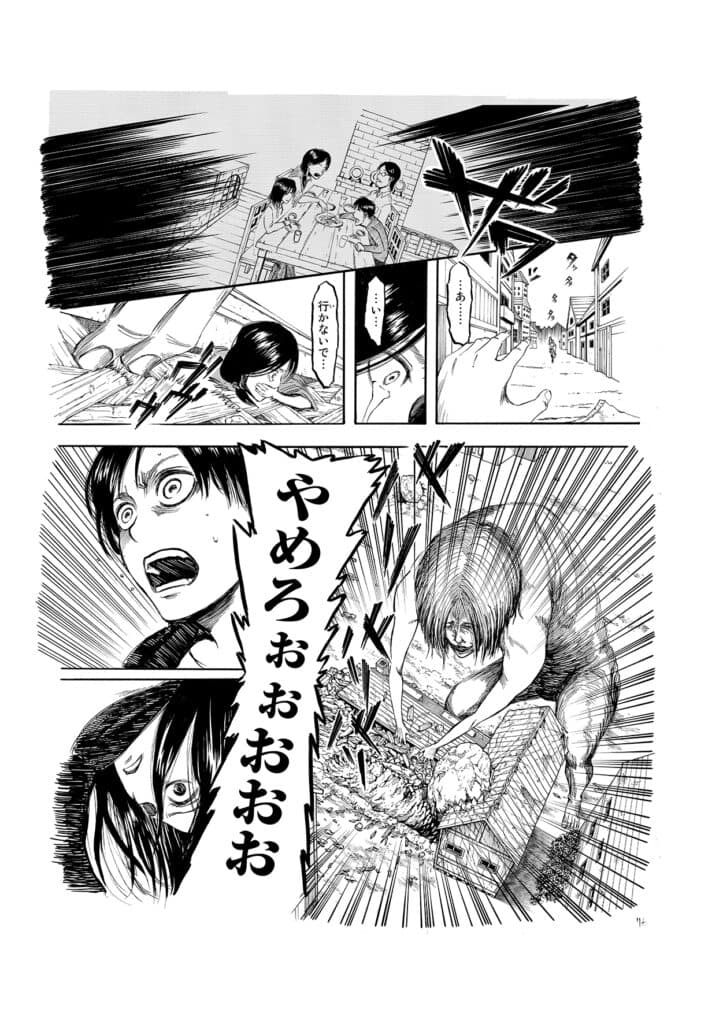
The exhibition also shows how manga genres borrow from and push against one another. Attack on Titan (Shingeki no Kyojin) by Isayama Hajime uses familiar shōnen codes, but its darkness and realism align it with the intensity often associated with gekiga. In that sense, it echoes the apocalyptic atmosphere of Akira and the stark human truth of Barefoot Gen.
Barefoot Gen (Hadashi no Gen) is an autobiographical manga by Nakazawa Keiji that tells the story of a Hiroshima survivor. Because it is rooted in lived experience, its descriptions of the blast, the loss of family, and the suffering caused by radiation read like memory transformed into ink.
This brutal realism is what makes the work so powerful. It not only depicts horror but also traces collective suffering and functions as a historical reminder. Similarly, Attack on Titan confronts us with the brutality, fear, and moral collapse associated with war and totalitarian regimes.
Shōjo Manga: A Softer Alternative to Shōnen
The manga industry is not only about combat and power. One hugely popular genre that contrasts with shōnen is shōjo (manga for girls). Shōjo is known for romantic and slice-of-life storytelling with a gentler tone. It also inspires many subgenres, including fantasy manga, and overlaps at times with sports manga.
Mashima Hiro, for example, continues the legacy of magical adventure in works such as Fairy Tail and One Piece. In Fairy Tail, he draws on modern fantasy traditions from Europe and America, where authors often integrate magic and imaginary worlds into everyday reality. That influence shows through tournaments, journeys, and epic battles that structure the narrative. The series can also feel reminiscent, in places, of Western “school of magic” fantasy frameworks.
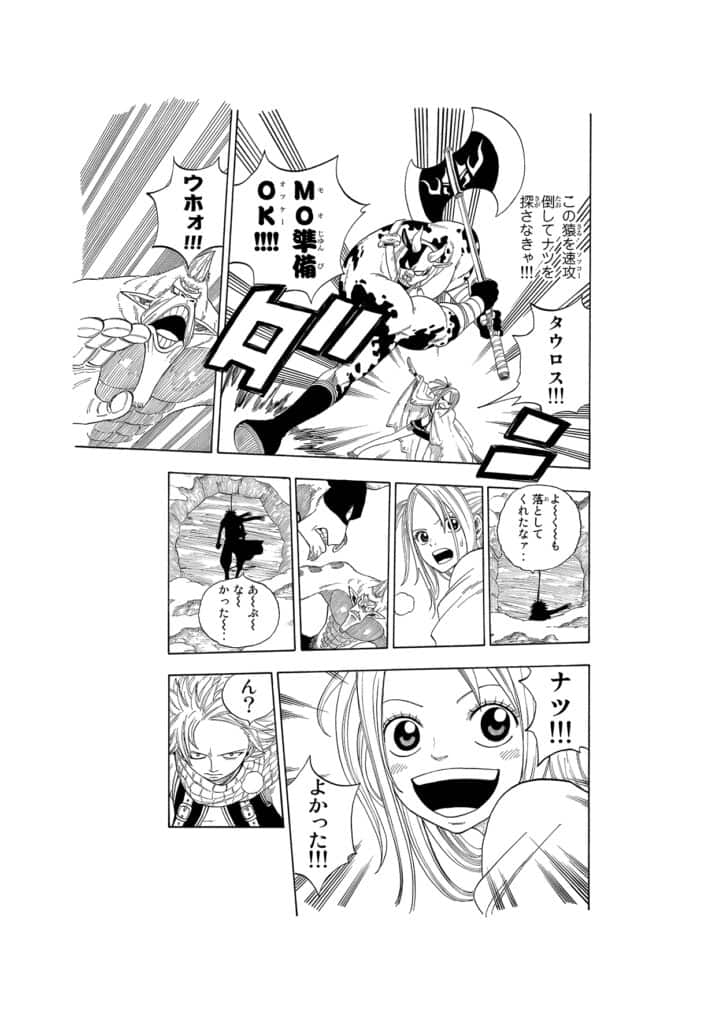
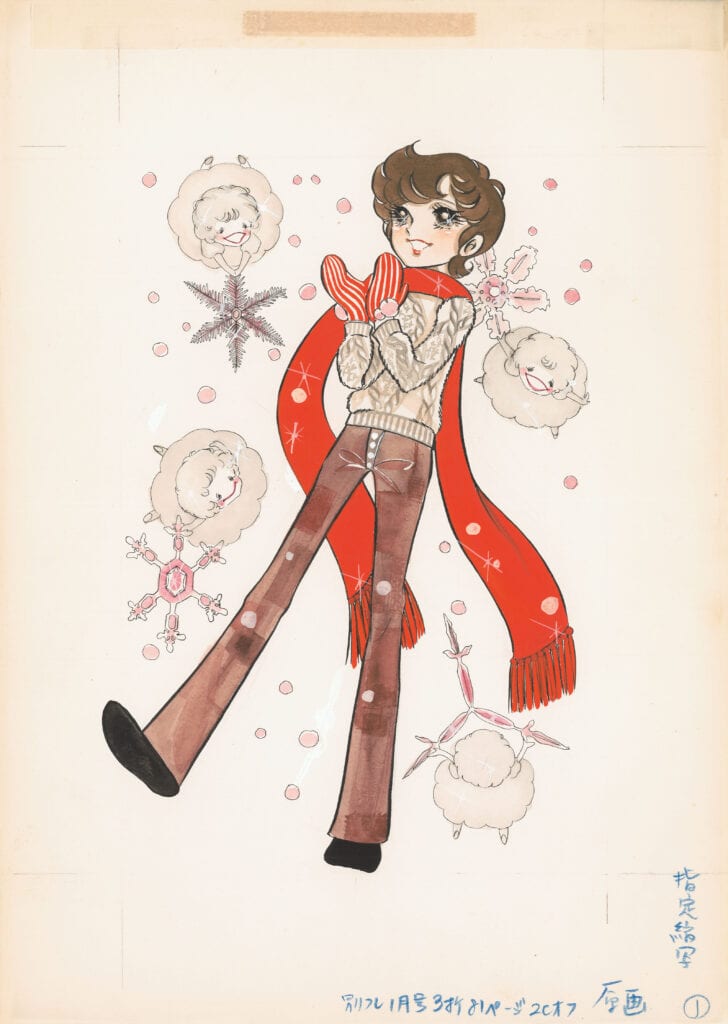
Valentin Paquot Collection
The Global Influence of Manga on Contemporary Culture
Manga has also inspired artists around the world. From cultural references in series, films, and books to the creations of designers on the runway, manga continues to influence contemporary artistic expression.
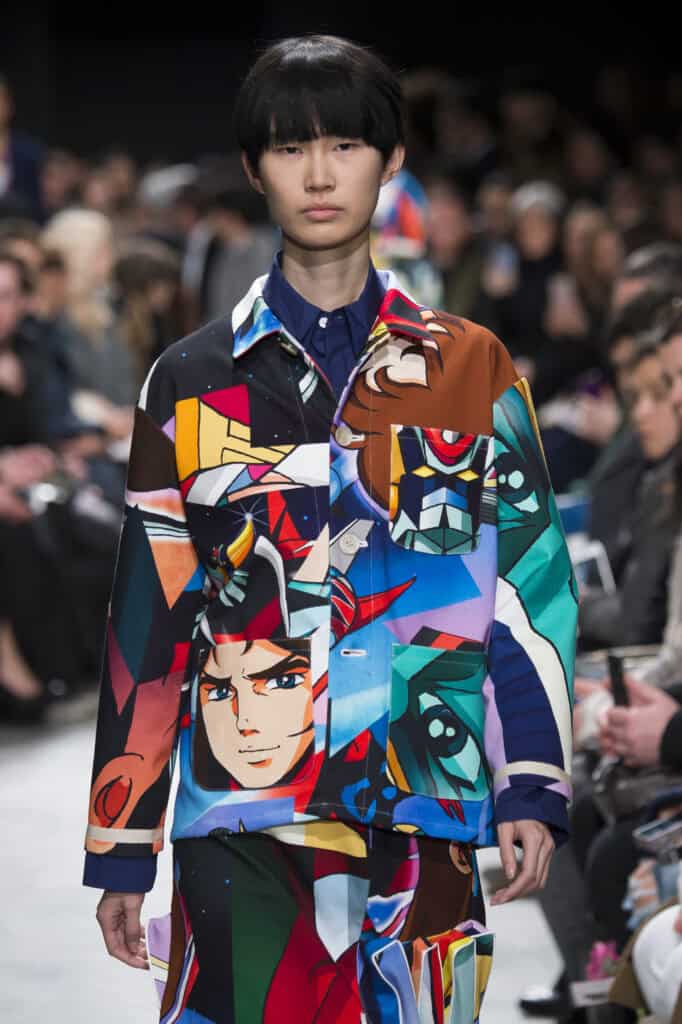
Fashion draws inspiration not only from manga but also from Japanese culture more broadly. The exhibition highlights this influence in the section dedicated to The Great Wave off Kanagawa, presented as a timeless masterpiece of Japanese art. Today, the image has become a universal symbol of human vulnerability in the face of nature.
The Great Wave off Kanagawa by Katsushika Hokusai combines force with precision. Its sharp contours and clear lines have made it a lasting visual reference, including for comic-book aesthetics and clear-line illustration.
The motif has even reached haute couture, appearing on Suzurka-san, a handcrafted, embroidered, and hand-painted linen coat created by John Galliano for Dior’s Spring/Summer 2007 haute couture collection. Its drape, in turn, evokes the elegance of the imperial kimono. These connections are a reminder that traditional art continues to shape contemporary creation across fields.
This exhibition is genuinely worth seeing. If you are in Paris before 9 March 2026, go.
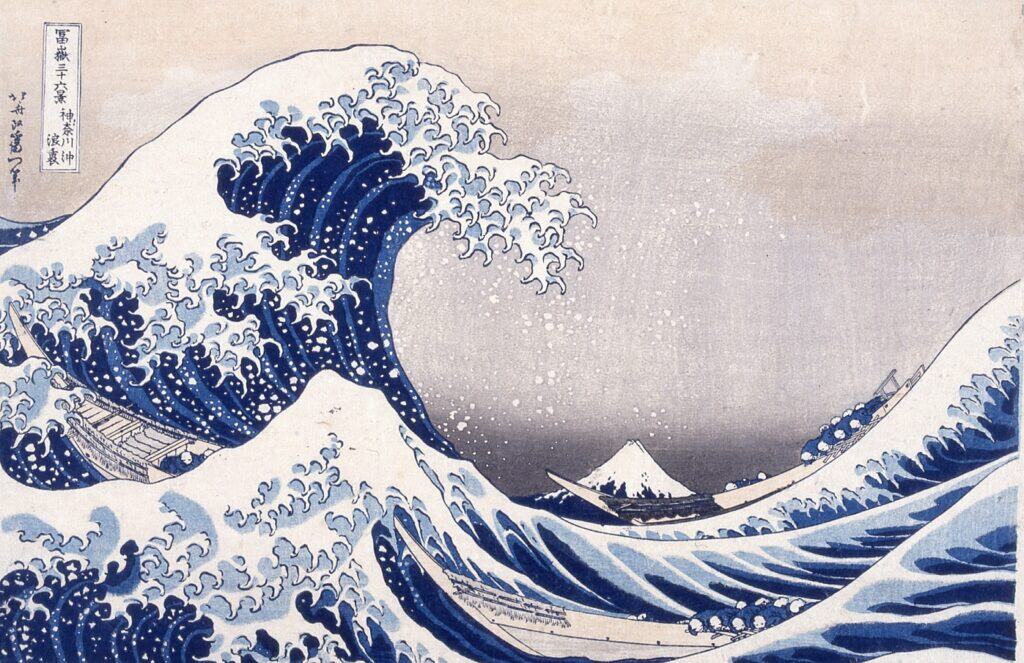
(1760–1849) © GrandPalaisRmn (Musée Guimet, Paris), Thierry Olivier
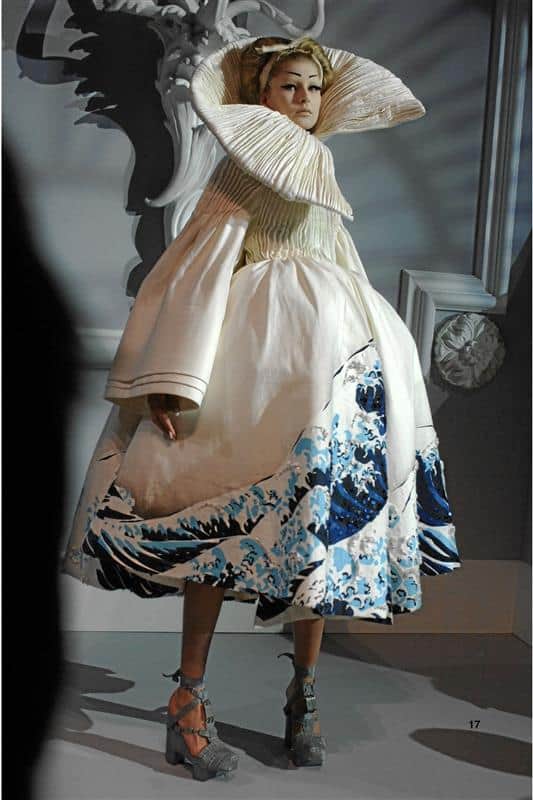
Suzurka-San, Spring/Summer 2007 haute couture collection © Guy Marineau
Share this post