Plains: Cape Town Fashion Brand
Leah Ermann
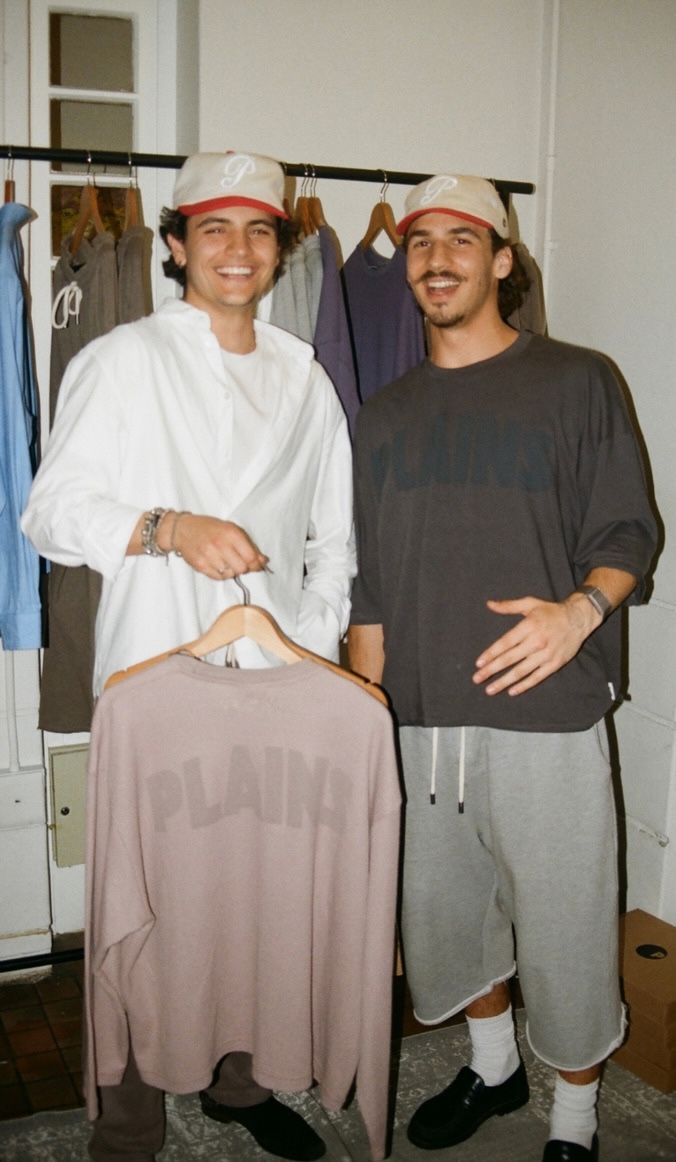
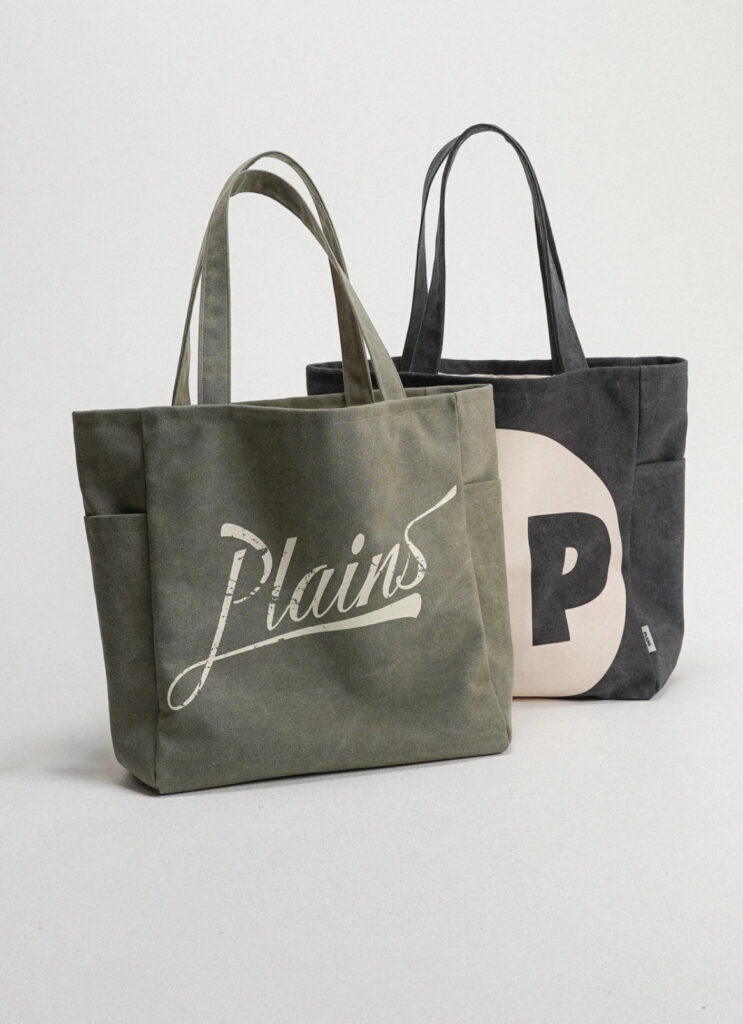
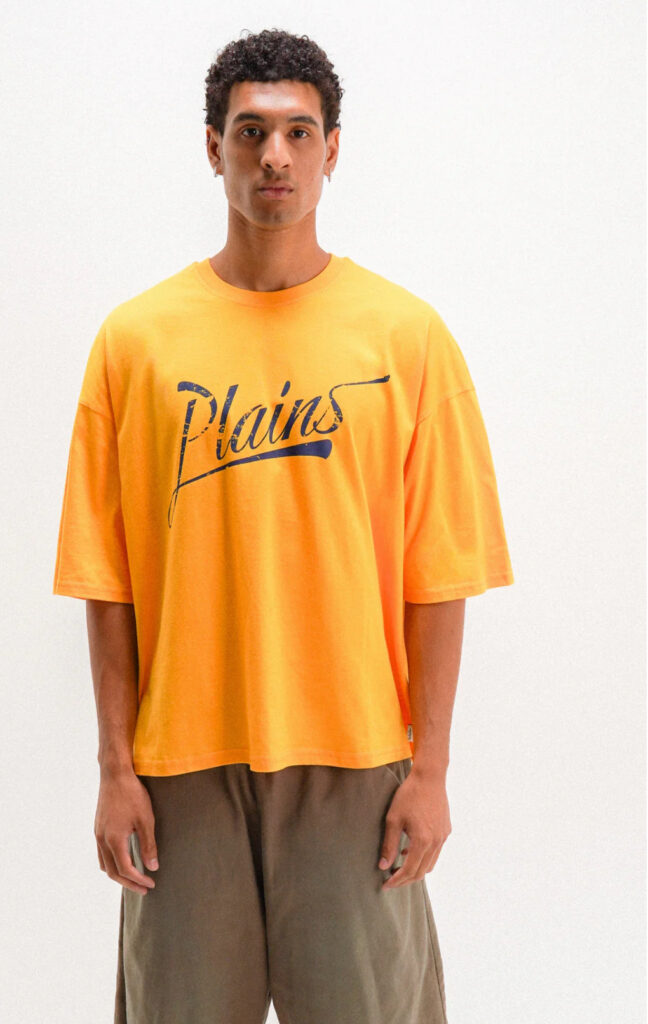
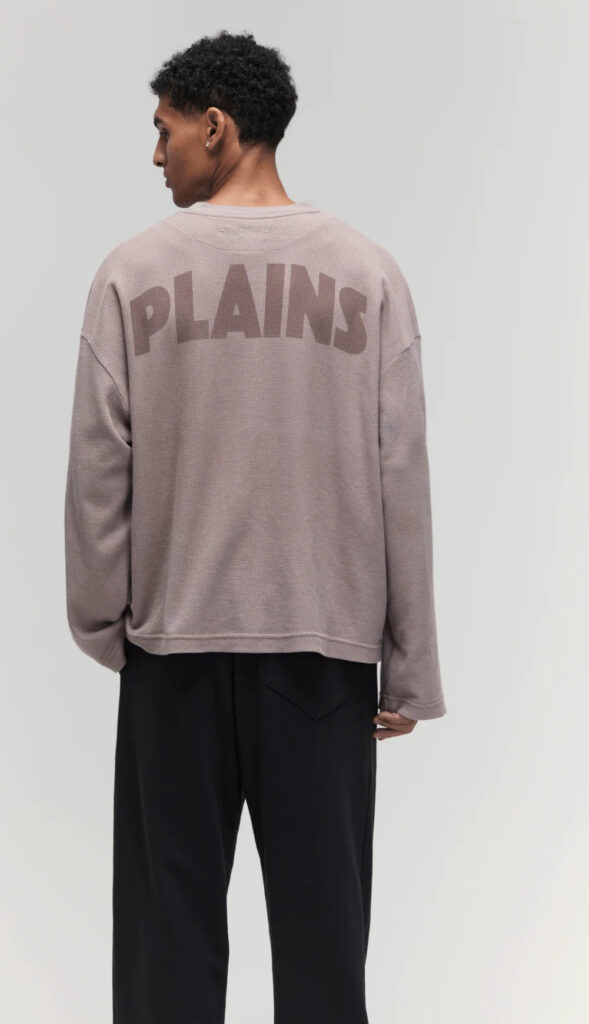
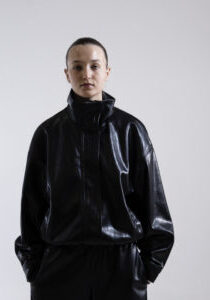
Founded in Cape Town by Zev and Gidon, Plains is a South African fashion brand built on intention, quality, and restraint. Created in response to both a personal need and a gap in the local market, the brand prioritises refined essentials over fast moving trends. By blending streetwear ease with premium construction, Plains strikes a balance between comfort and craft. Quiet in tone yet confident in presence, it speaks to those who value detail, longevity, and dressing with purpose. In this interview, co-founder Zev Cohen reflects on the personal beginnings of the brand, the lessons learned along the way, and his vision for Plains as it grows beyond its Cape Town roots.
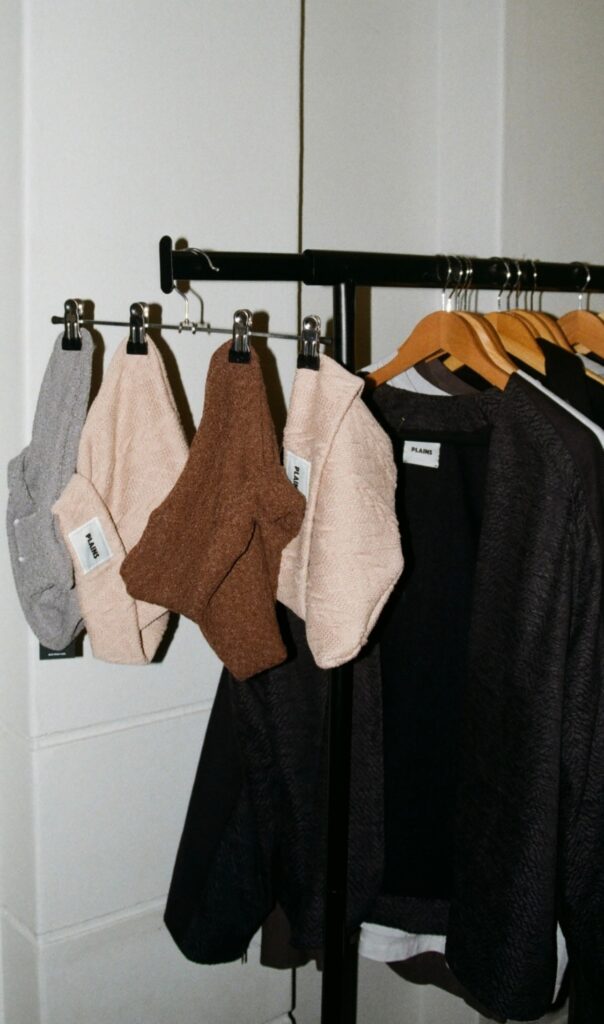
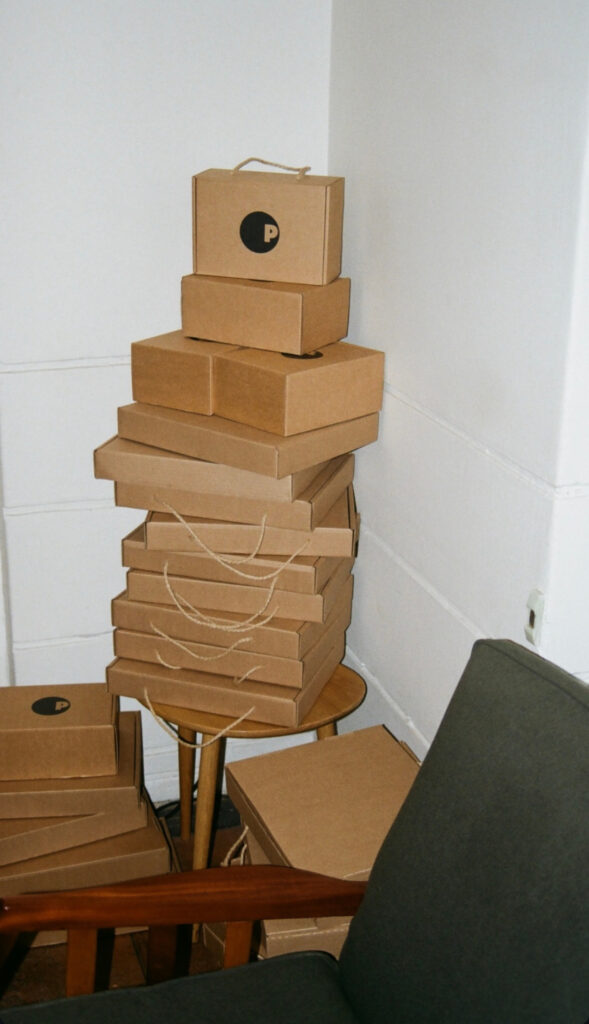
Zev Cohen interview
IRK: What was the moment you knew Plains needed to exist? Was it personal, or a response to a gap in South African fashion?
Zev Cohen: Plains began as a deeply personal need. Over time, it also became clear that the brand filled a real gap in South African fashion. The turning point came after I graduated from fashion school. Instead of looking for a job in the industry, I chose to create something for it. Clothing has always mattered to me. More importantly, I wanted control over what I wear and what I share. That desire ultimately led to the creation of Plains.
IRK: As an independent brand, what has been the hardest lesson in running a fashion business?
Zev Cohen: Every decision we made taught us a lesson. Production, design, sizing, and unit counts all came with mistakes. For example, we started by selling a single T-shirt in a one size fits all cut. The neckband stuck out, and honestly, we disliked the product. However, it was the best we could do at the time. Through failure, we learned that “good enough” is not a benchmark. As a result, we now set much higher standards for ourselves.
IRK: How do you want people to feel when they wear Plains?
Zev Cohen: Plains should make people feel confident. We encourage customers to take control of their environment. Wearing Plains feels luxuriously casual. It’s subtle, yet intentional. It’s not about being flashy. Instead, it’s a quiet nod to knowing you are dressed well. That confidence comes from within.
IRK: Where do you see Plains in five years?
Zev Cohen: In five years, we hope to open a flagship store. While the location is still undecided, growth is the goal. Additionally, we want to expand beyond South Africa and into Europe. What started as something niche is now something we want to share with the world.
IRK: What excites you most about South African fashion right now?
Zev Cohen: South African fashion is expressive and bold. Designers are creating a strong and recognisable identity. This comes through vibrant colours, unique shapes, and meaningful stories. Nothing from South Africa feels bland. Instead, everything carries flavour, depth, and intention.
IRK: What advice would you give to someone who wants to start a fashion brand but feels overwhelmed?
Zev Cohen: If you want to go viral, follow trends and push marketing. However, if you want longevity and meaning, prepare to work. Success does not happen overnight. You must keep going, even when it feels difficult. The longer you stay committed, the more layers your brand gains. Most importantly, stay true to your original intention. The reward is far greater.
IRK: Who is the Plains customer?
Zev Cohen: The Plains customer is confident and intentional. They walk with purpose and know what they want. Unwilling to settle for mediocrity, they care about dressing correctly for the moment and matching the environment. Simply put, they are thoughtful and effortless.
IRK: Can you walk me through your creative process?
Zev Cohen: Our creative process is thorough and intentional. My cousin and I gather inspiration over time. We then organise ideas into garment categories. First, we sketch. Next, we create CADs. After that, we source fabrics and move into sampling. Samples often require adjustments before pre-production and bulk orders begin. Quality control runs through every step. We also sit with products for long periods to test how they age, wash, and wear. Because of this, planning ahead is essential to running Plains successfully.
Beyond Trends: The Plains Philosophy
Plains represents a new wave of contemporary South African fashion, one that is rooted in intention, quality, and quiet confidence. In response to fast fashion and fleeting trends, the brand offers refined essentials designed to last. Through thoughtful design, premium construction, and a clear creative vision, Plains has therefore carved out a distinct identity within the local fashion landscape. As the brand continues to look toward international growth and deeper community connections, it nevertheless remains grounded in its original purpose: creating clothing that feels effortless, considered, and meaningful. Ultimately, Plains is not just a fashion brand; rather, it is a lifestyle shaped by restraint, longevity, and dressing with purpose.
Share this post
Leah Ermann is a South African Fashion Business student whose identity and vision are deeply rooted in the landscapes, cultures, and contradictions of her home country. Growing up in South Africa meant being constantly aware of extremes. These realities shaped her sensitivity to the world around her and challenged her understanding of fashion as something far beyond surface-level beauty. In a place where many people are fortunate simply to own a pair of shoes, Leah learned early on that clothing carries meaning, privilege, and responsibility.
Alongside this awareness grew a profound connection to nature and conservation, spending a lot of time in the bush deepened her understanding of the impact humans have on endangered wildlife and fragile ecosystems. Leah sees fashion as a silent but powerful language, a way to express identity, values, and cultural stories without words.
She is driven by a desire to explore the deeper meanings behind collections, to learn from new cultures, and to use fashion as a platform to amplify South African creativity, resilience, and humanity. Ultimately, her goal is to create work that not only reflects where she comes from whilst learning about other cultures, but also contributes to change, honoring both people and the natural world that shaped her.
Read Next