The Future of Denim: Fashion’s Most Worn Fabric
Kendra Dresser
From workwear staple to environmental paradox, denim reflects a growing shift towards sustainability, innovation, and responsibility.
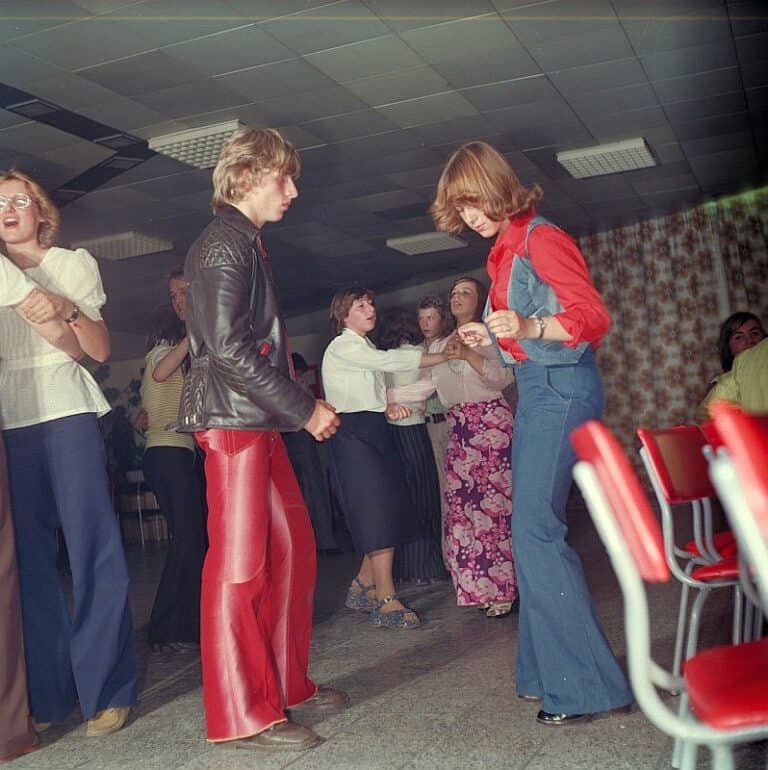
Denim has always existed in a state of contradiction. It is both timeless and trend-driven, durable yet disposable, universal yet deeply personal. In tracing the evolution of jeans, their journey from workwear to global fashion staple reveals a garment shaped by culture, identity and reinvention.
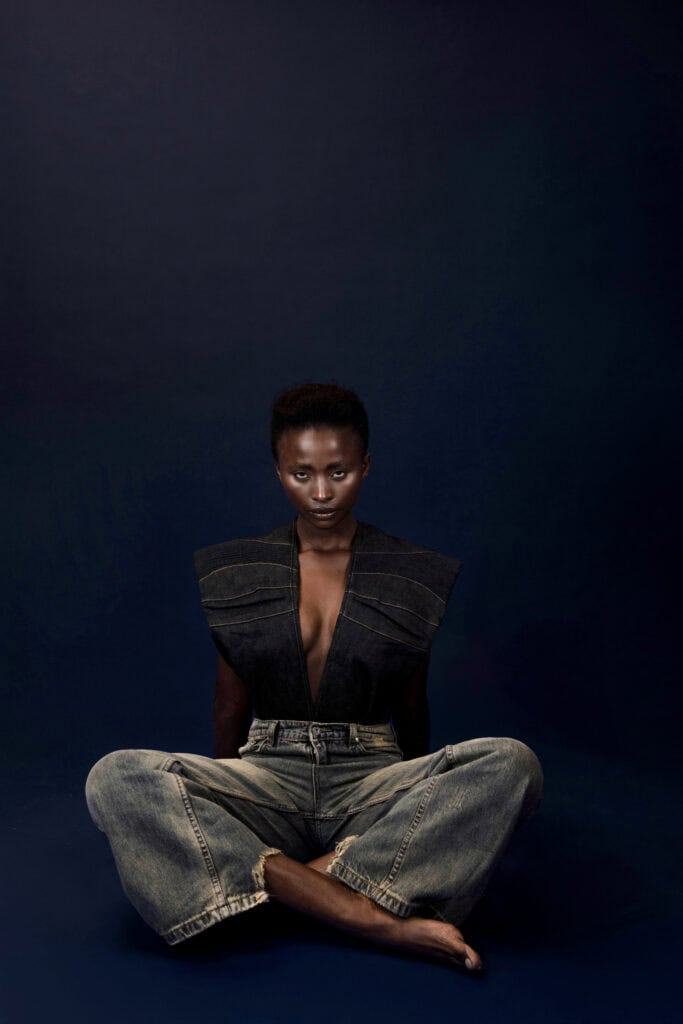
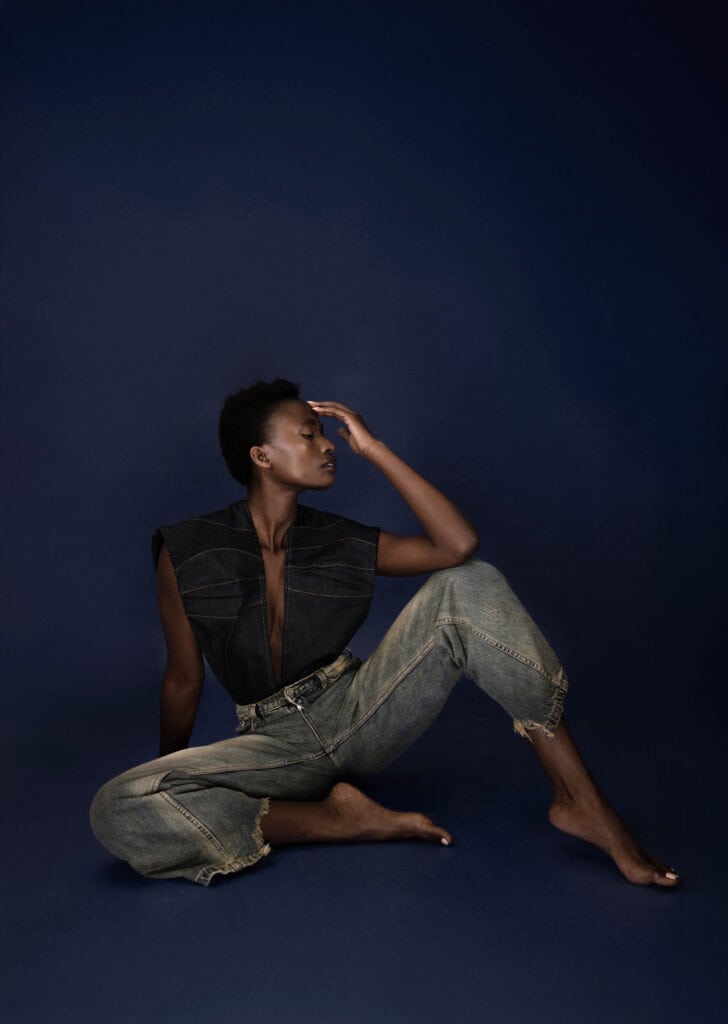
Yet beneath the familiar texture of indigo lies a more complex reality, one defined by environmental strain, industrial scale, and a growing tension between style and sustainability. As fashion looks forward, the question is no longer how jeans will evolve, but whether they can afford to remain the same.
THE DARK SIDE OF DENIM
A perfect pair of jeans may seem effortless, but the process behind it is not. Producing one pair can require thousands of litres of water. Dyeing and finishing also depend on chemical treatments that leave lasting traces on ecosystems and workers.
Denim moves through a long lifecycle, from cotton fields to factory floors. Each stage reflects extraction, transformation and, increasingly, excess.
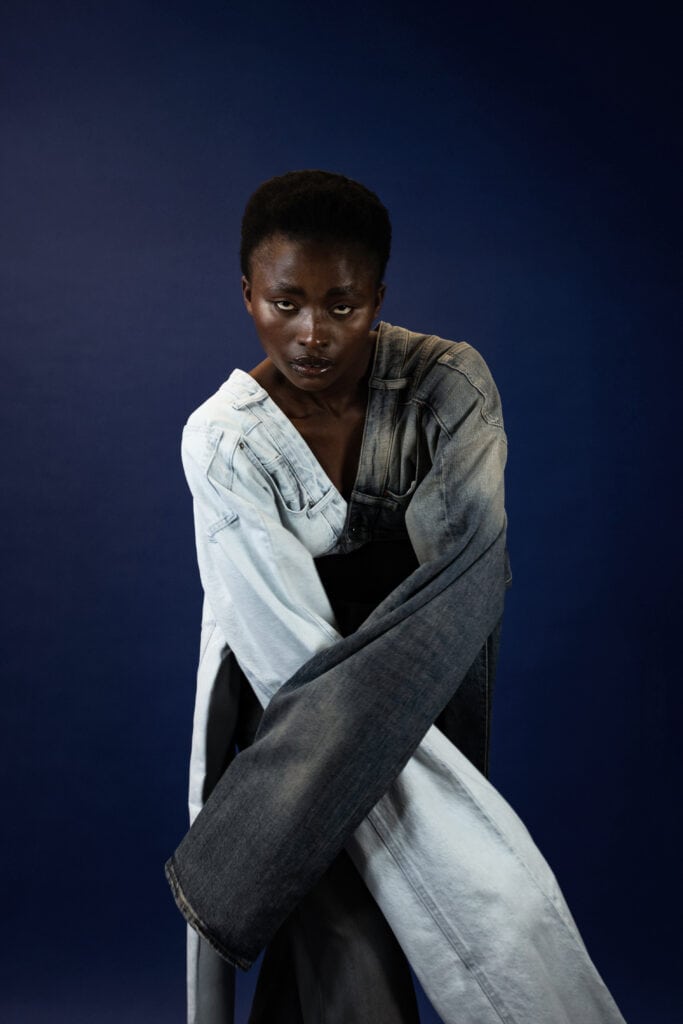
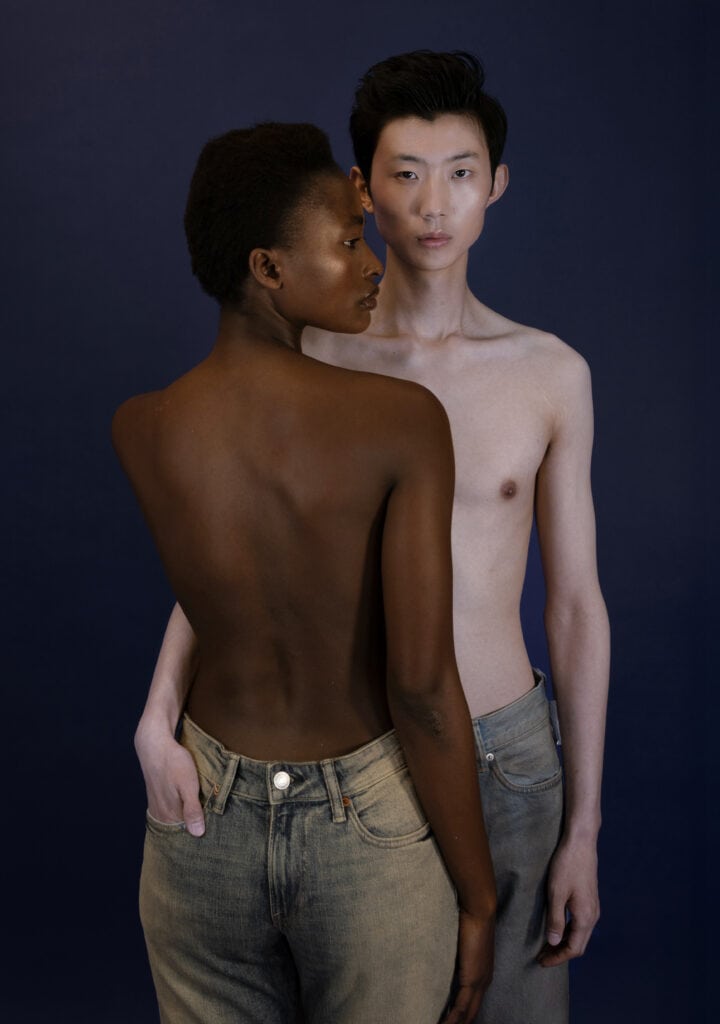
Fast fashion has reshaped jeans into frequently replaced commodities. Distressed finishes once came from years of wear. Now, manufacturers replicate them in minutes using industrial techniques. This accelerates production and undermines authenticity. Jeans were once made to last. Now they often move quickly through cycles of consumption. Durability has become an aesthetic rather than a function. In this shift, the future of denim begins to take shape
INNOVATION: CAN DENIM BE SAVED?
The future of denim is shaping how the industry rethinks its approach. Brands now use organic cotton, recycled fibres and regenerative farming. These methods offer alternatives to conventional production. At the same time, technologies like waterless dyeing and laser finishing reduce environmental impact while still achieving the desired look.
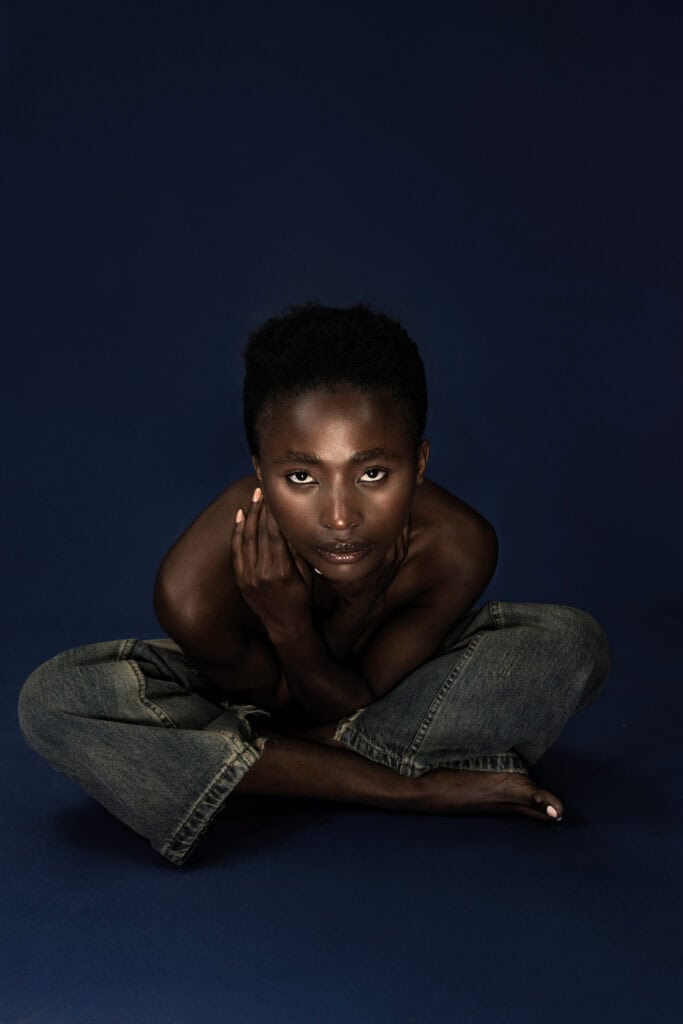
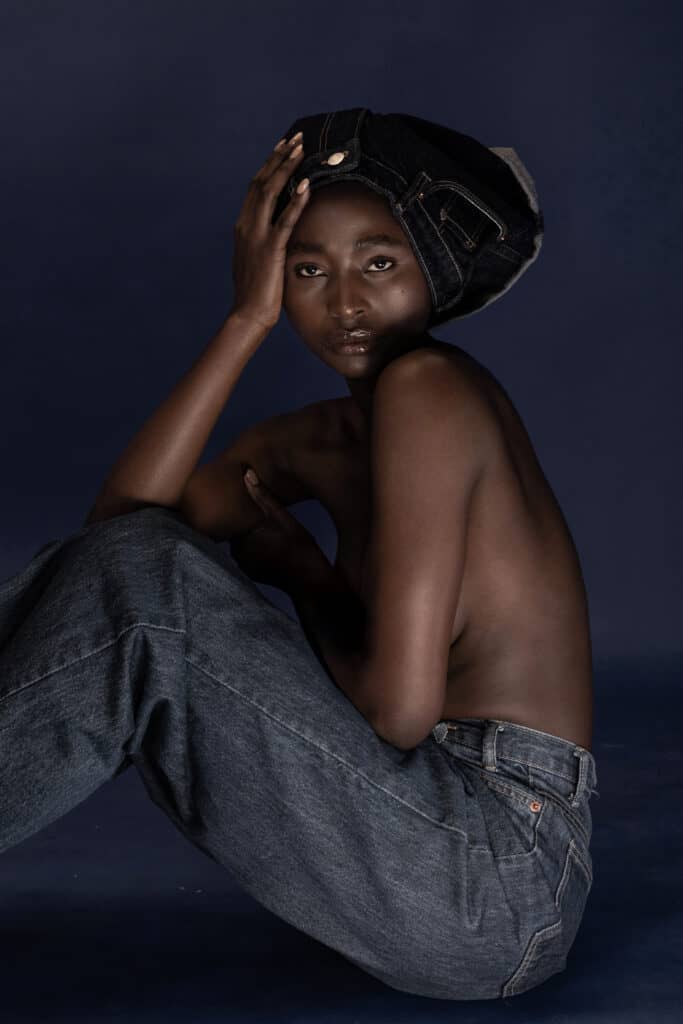
These developments mark a shift. The industry is not abandoning denim, but rethinking how it makes it.
Circular fashion is also gaining ground. Organisations like the Ellen MacArthur Foundation promote systems built on reuse, repair and recycling. Repair, resale and recycling are no longer niche. They are becoming central to a new system that values longevity over disposability. In this context, denim becomes a material of possibility. It can evolve while still holding onto its history.
THE FUTURE OF JEANS: STYLE MEETS RESPONSIBILITY
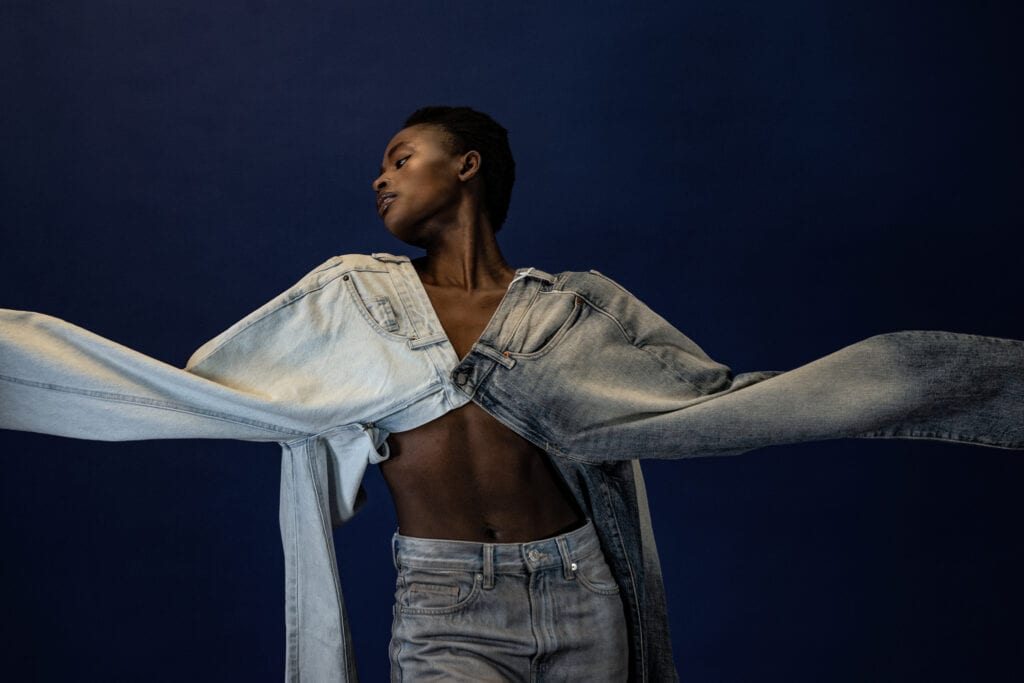
Denim’s future depends as much on culture as on design. Firstly relaxed silhouettes, vintage washes and reworked pieces reflect a desire for clothing that feels lived-in. Secondly the focus is shifting from perfection to imperfection as pristine finishes give way to garments marked by time.
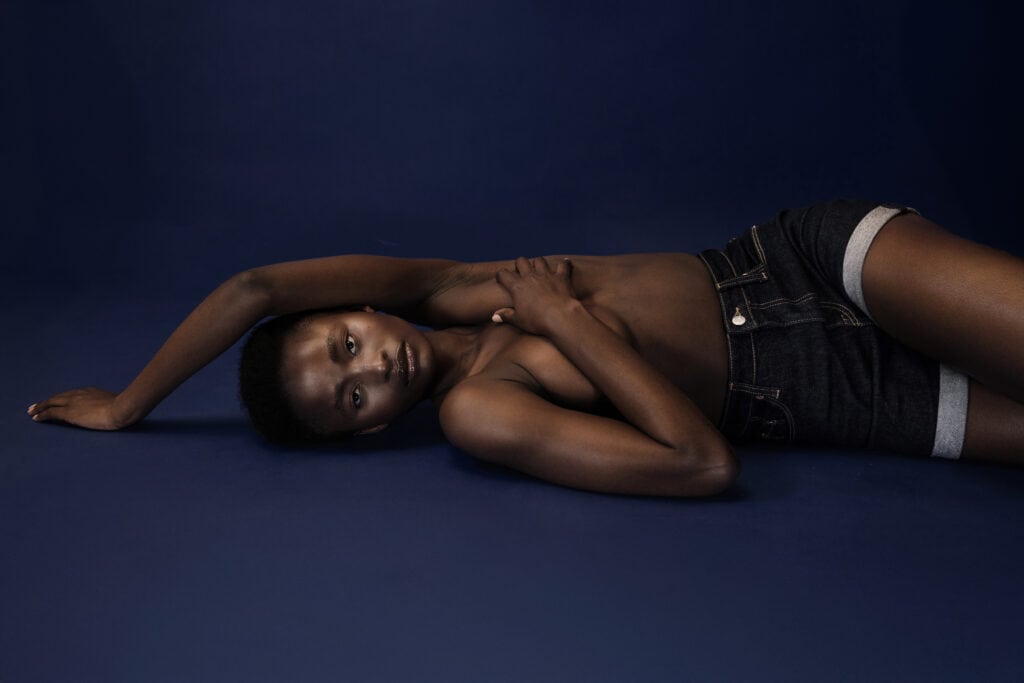
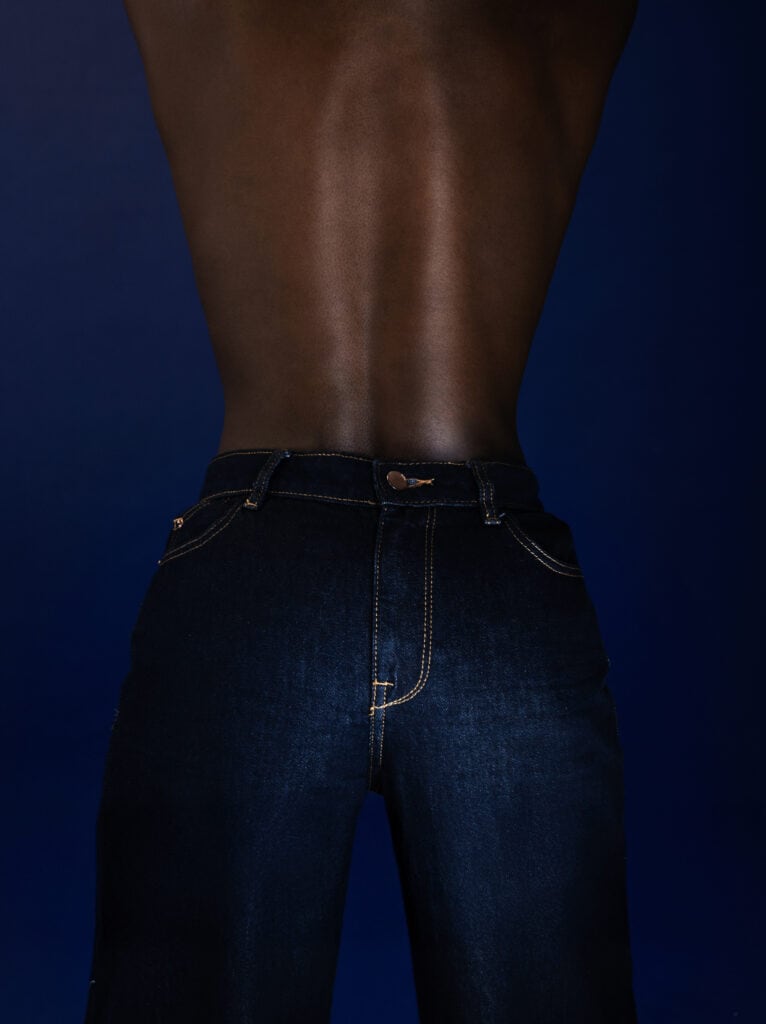
Younger generations are driving this change. For them, jeans are not just style statements. They reflect a growing awareness of sustainability, of how clothes are made, how long they last and what they represent. Individuality now comes from wear, repair and personal history, not constant replacement.
RETHINKING THE EVERYDAY
The future of denim is more than fabric stitched together. They record movement, labour and identity. Today, they also sit at the centre of a tension between consumption and responsibility. The future of denim depends on both industry innovation and consumer choices.
The most radical shift may not lie in how jeans are designed, but in how long we choose to live in them.
Continue reading below, or visit the IRK Magazine homepage to explore more features.
Share this post
Kendra Dresser is in Communications and Public Relations with a focus on how fashion, media, and culture shape the way we see the world and ourselves.
She’s interested in the connection between image and meaning: how a campaign, an outfit, or a trend can say something deeper about identity, mood, and the cultural moment.
She’s especially drawn to how Generation Z uses fashion and beauty to express individuality, often in bold, layered, and playful ways. She’s also curious about how social media continues to reshape storytelling, changing how we create, share, and connect through visual culture.
To Kendra, fashion is more than just style; it’s a language! One that reflects who we are, how we feel, and what we stand for. She’s committed to sustainability and believes fashion and culture should not only inspire but also respect the planet.
Read Next