THE EVOLUTION OF JEANS, FROM MINERS TO RUNWAY
Kendra Dresser
From rugged workwear to runway icon, the evolution of jeans reveals style, rebellion, and identity.
THE EVOLUTION OF JEANS
The story of denim begins in sweat, dust, and hard work before it became a global symbol of style and identity. Since the 19th century, the history of denim has carried labour, rebellion, and self-expression in every seam.
From mine shafts to luxury runways, the evolution of jeans shows fashion’s enduring paradox: humble origins and lasting cultural influence. Jeans have always reflected both society and individuality.
FROM MINERS TO RUNWAY
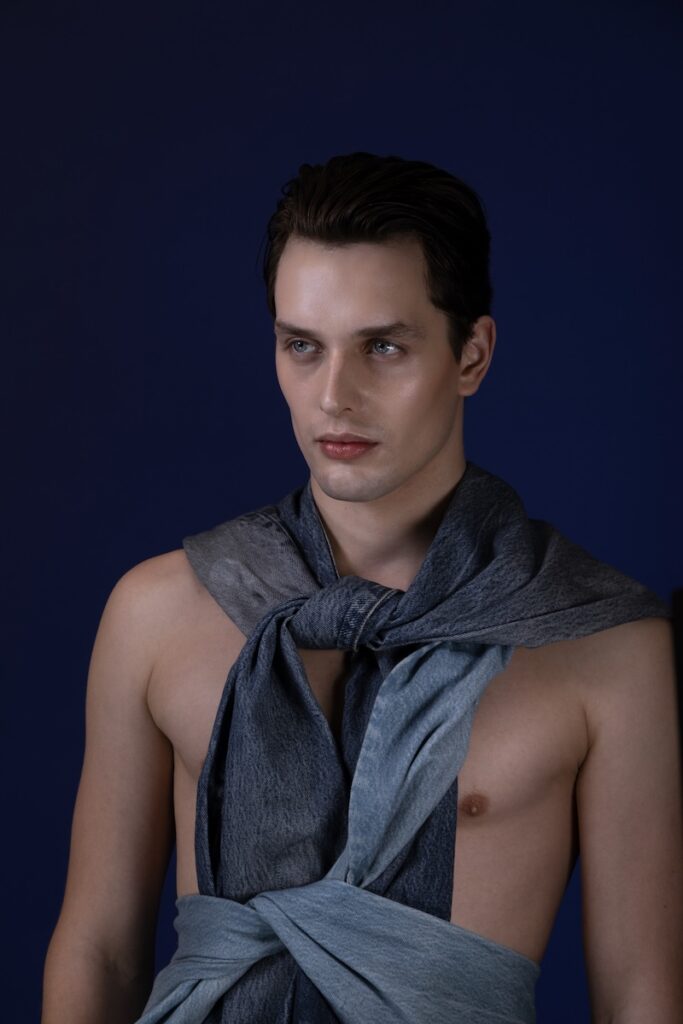
Denim started as a strong, practical fabric, not a fashion statement. European twills like serge de Nîmes and Genoese cloth offered durability, comfort, and strength for tough work. In 1873, Levi Strauss and tailor Jacob Davis patented riveted trousers, using copper fastenings to reinforce stress points. As a result, these “waist overalls” became essential survival tools for miners rather than style pieces.
As railroads and industrial expansion grew, denim spread through mining towns and labour communities. Straight cuts, heavy fabric, and functional construction defined early jeans. Consequently, durability dictated their design, while style came later. Thus, the evolution of jeans was rooted in necessity, not trend.
CULTURAL SHIFT
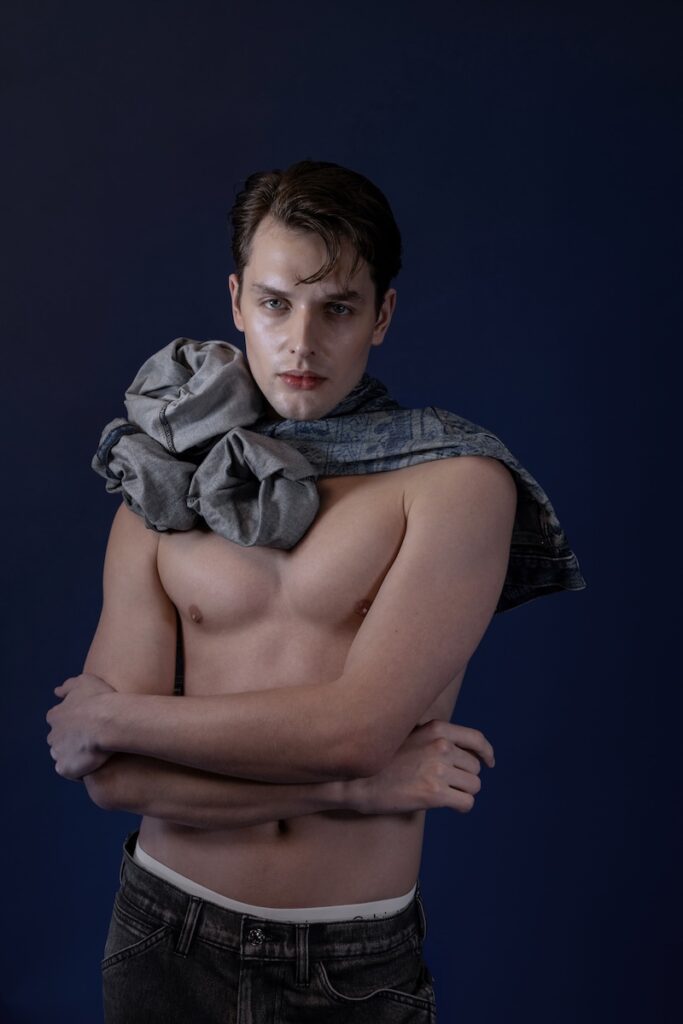
After World War Two, jeans moved into popular culture. Hollywood turned workwear into a symbol of rugged individuality, while young people embraced it as a sign of rebellion. By the 1950s, actors like James Dean and Marlon Brando made denim a mark of defiance. Meanwhile, the school bans only made its symbolism stronger.
In the 1960s and 1970s, jeans became a way to express personal style. Patches, embroidery, and flares showed creativity and countercultural values. Musicians and artists wore denim as armour against conformity. Overall, the evolution of jeans turned simple workwear into a statement of identity, linking its labour roots with individual expression.
DESIGNER DENIM AND GLOBAL REACH
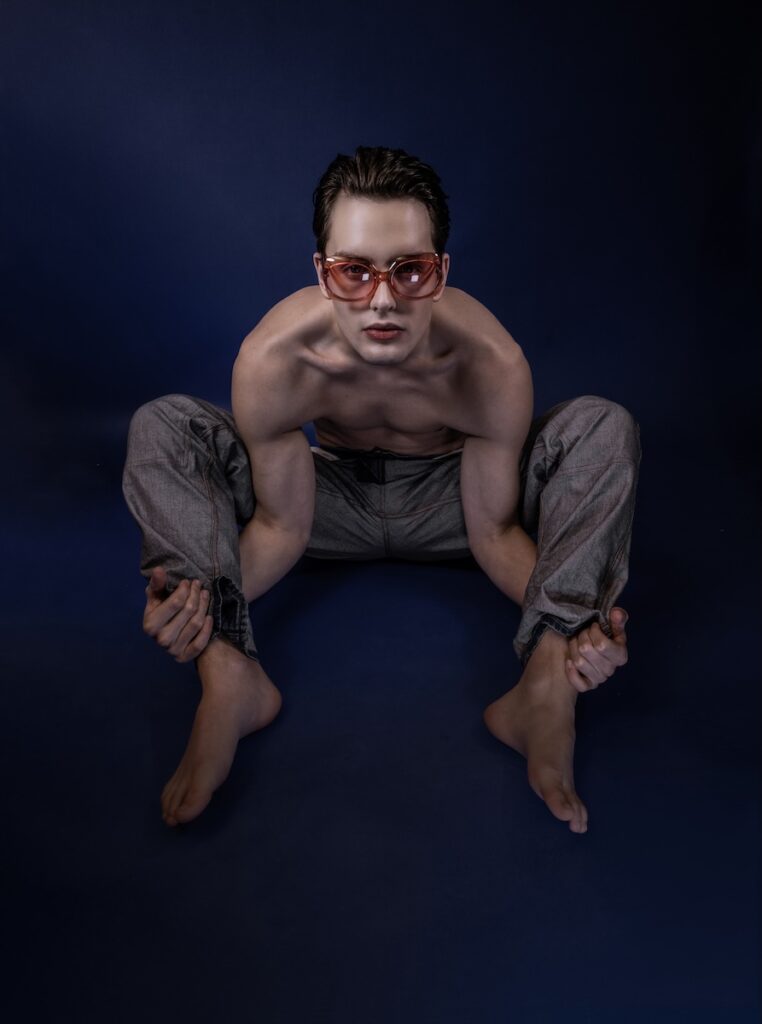
By the 1980s, designer denim entered luxury fashion, turning jeans into aspirational pieces. Factories spread production worldwide, which made jeans more accessible but sometimes lowered craftsmanship.
In the 1990s and 2000s, jeans appeared in many shapes, baggy, low-rise, and relaxed fits, which reflected changing social attitudes. Consequently, jeans became both a commercial product and a cultural symbol. Today, the history of denim spans streetwear, high fashion, and the wider democratisation of style.
MODERN IDENTITY
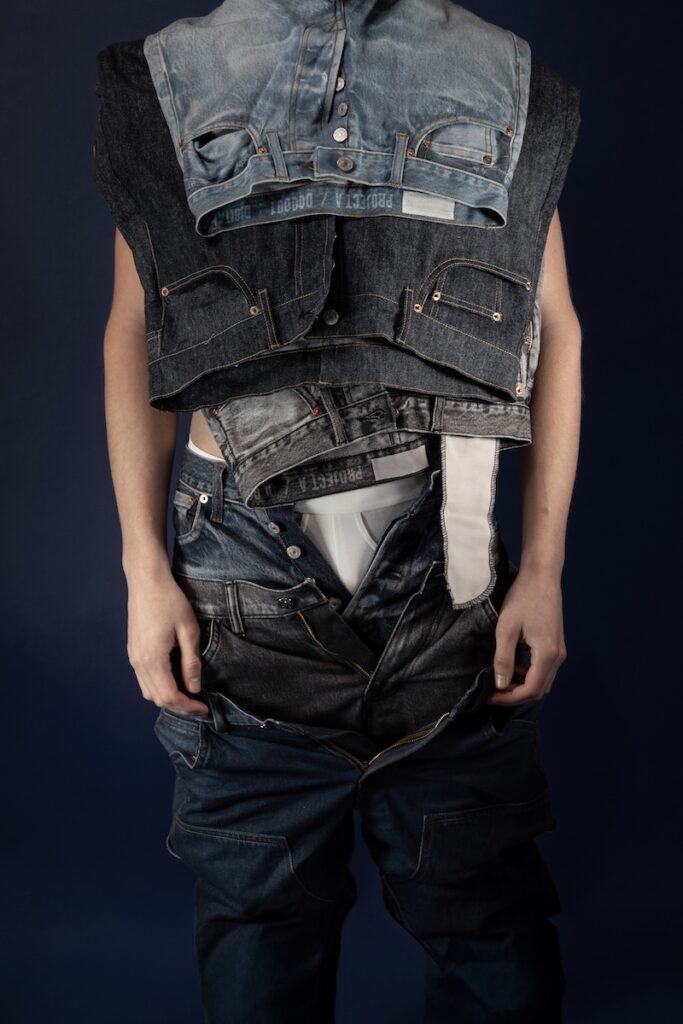
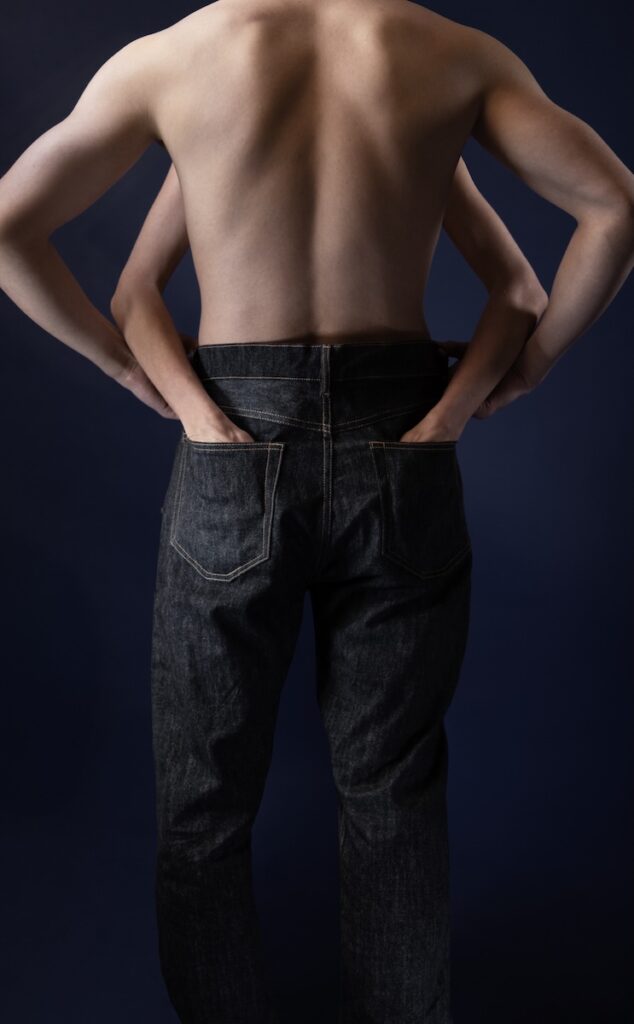
Now, jeans appear everywhere, from thrift stores to couture collections. Raw denim and selvedge fabrics celebrate heritage, while modern finishes reinterpret tradition. Furthermore, consumers focus on fit, durability, and personal style, keeping the evolution of jeans relevant. Even small innovations hint at denim’s future without taking away from its rich past.
HISTORY OF DENIM
Jeans record lives through creases, fades, and repairs. They archive memory in cotton and indigo. Therefore, from miners to runways, the evolution of jeans shows that true icons endure by reflecting humanity, rebellion, and culture in every stitch.
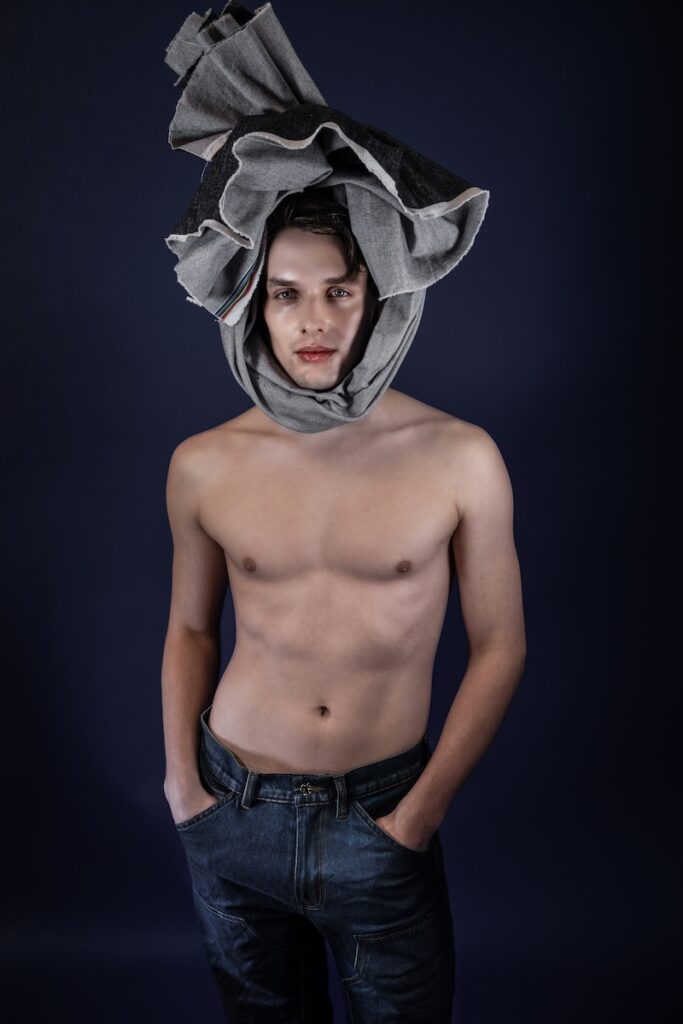
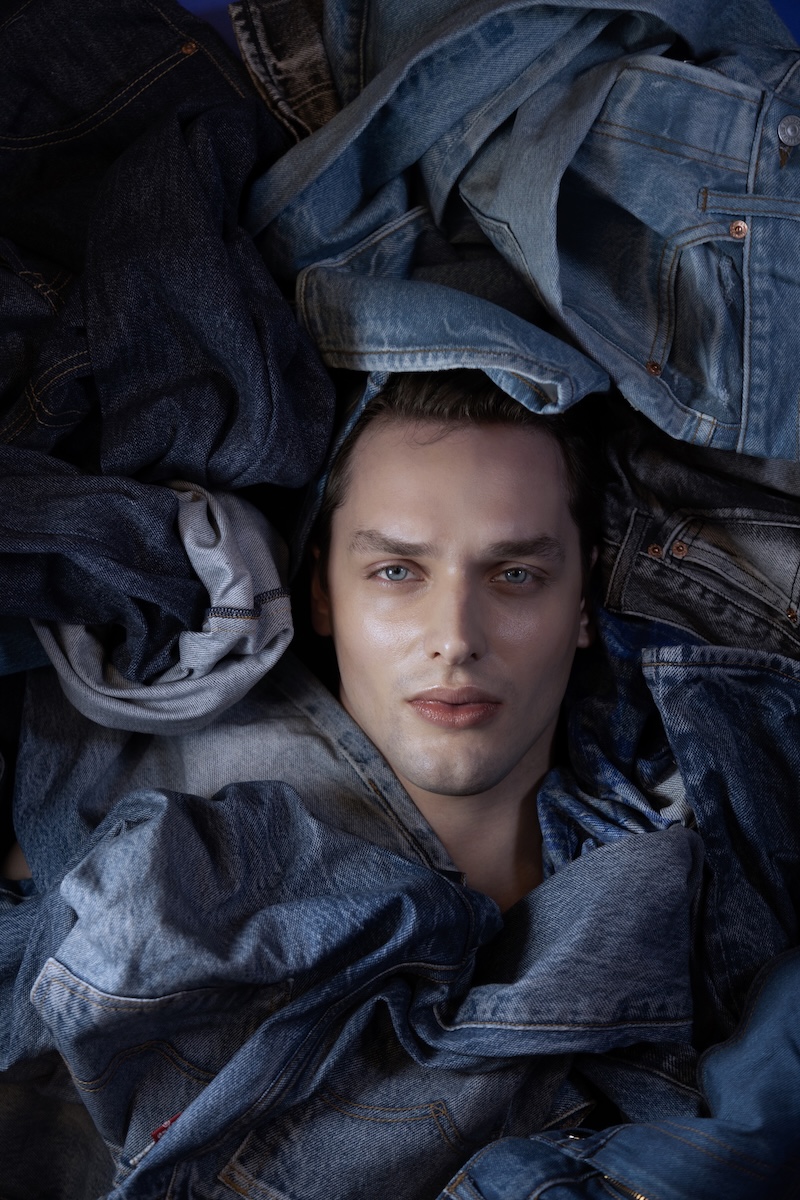
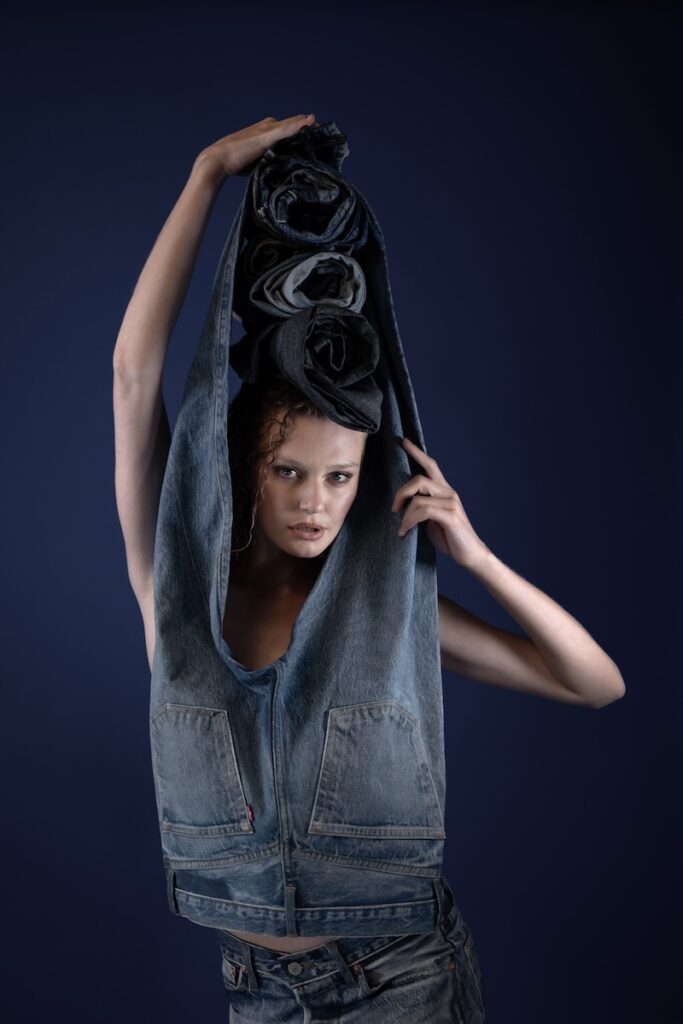
Models: Cyril Luzin, Elena Feofanova at Blake Model Management
Photographer: French Cowboy (Mia Macfarlane & Julien Crouigneau)
Stylist: Kahina Melchane
Assistant Photographer: Amélie Jouison
Continue exploring the history of fashion, or visit the IRK Magazine homepage for the latest in fashion, beauty and culture.
Share this post
Kendra Dresser is in Communications and Public Relations with a focus on how fashion, media, and culture shape the way we see the world and ourselves.
She’s interested in the connection between image and meaning: how a campaign, an outfit, or a trend can say something deeper about identity, mood, and the cultural moment.
She’s especially drawn to how Generation Z uses fashion and beauty to express individuality, often in bold, layered, and playful ways. She’s also curious about how social media continues to reshape storytelling, changing how we create, share, and connect through visual culture.
To Kendra, fashion is more than just style; it’s a language! One that reflects who we are, how we feel, and what we stand for. She’s committed to sustainability and believes fashion and culture should not only inspire but also respect the planet.
Read Next