Thula Thula and The Silent Fight Against Poaching
Leah Ermann
A Landscape Shaped by Peace
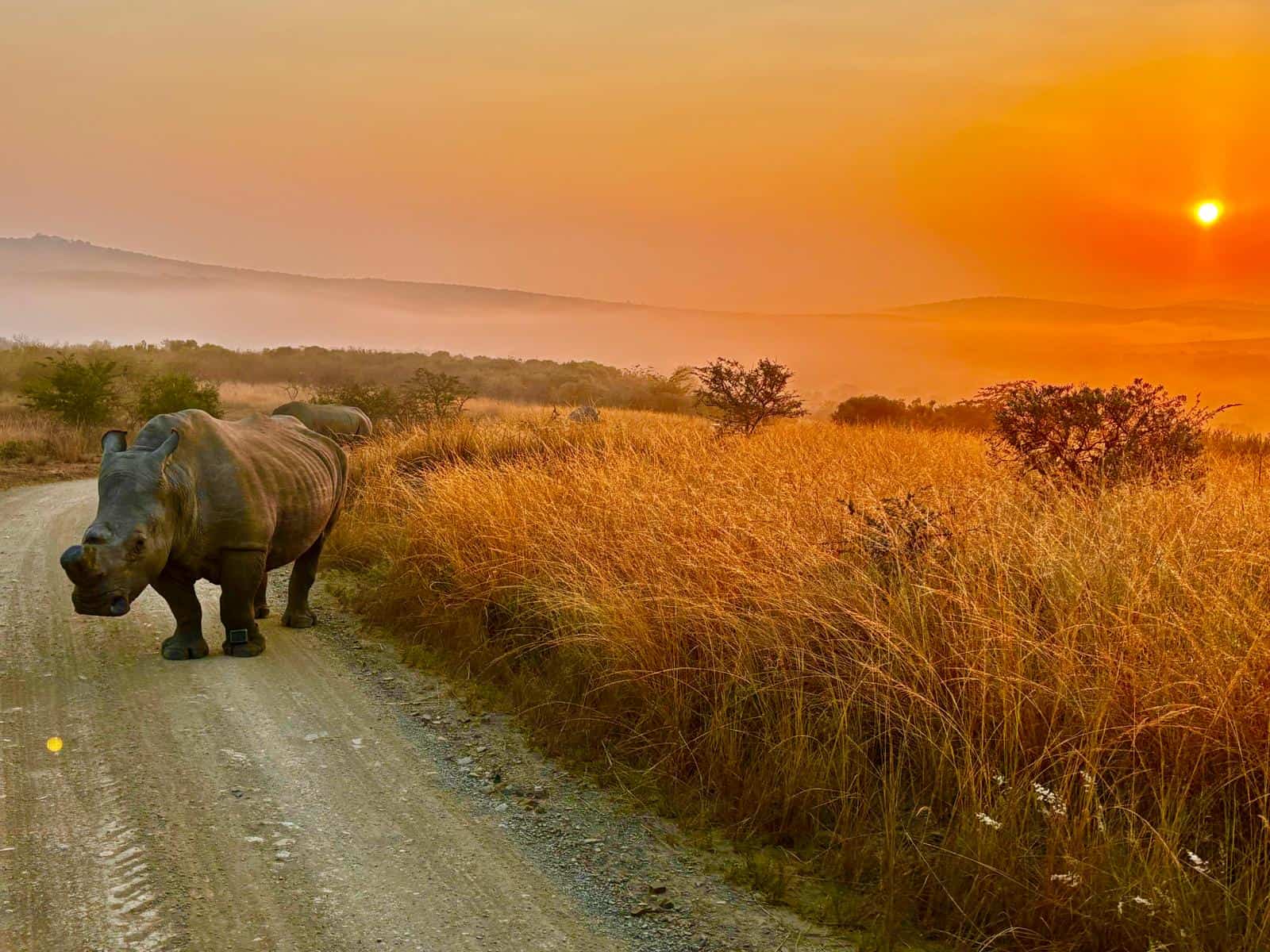
Set in the heart of Zululand, Thula Thula stands as a game reserve shaped by love, compassion and perseverance. Thula Thula, is a Zulu word for peace and tranquility. This meaning echoes through the reserve, reflecting its spirit and commitment to conservation. The land moves quietly, marked by dense bush, open plains, and accompanied by the call of the kingfisher. Time moves slow there, operating on Africa time “where today is what matters, and tomorrow is another day”.
Beneath the Tranquility
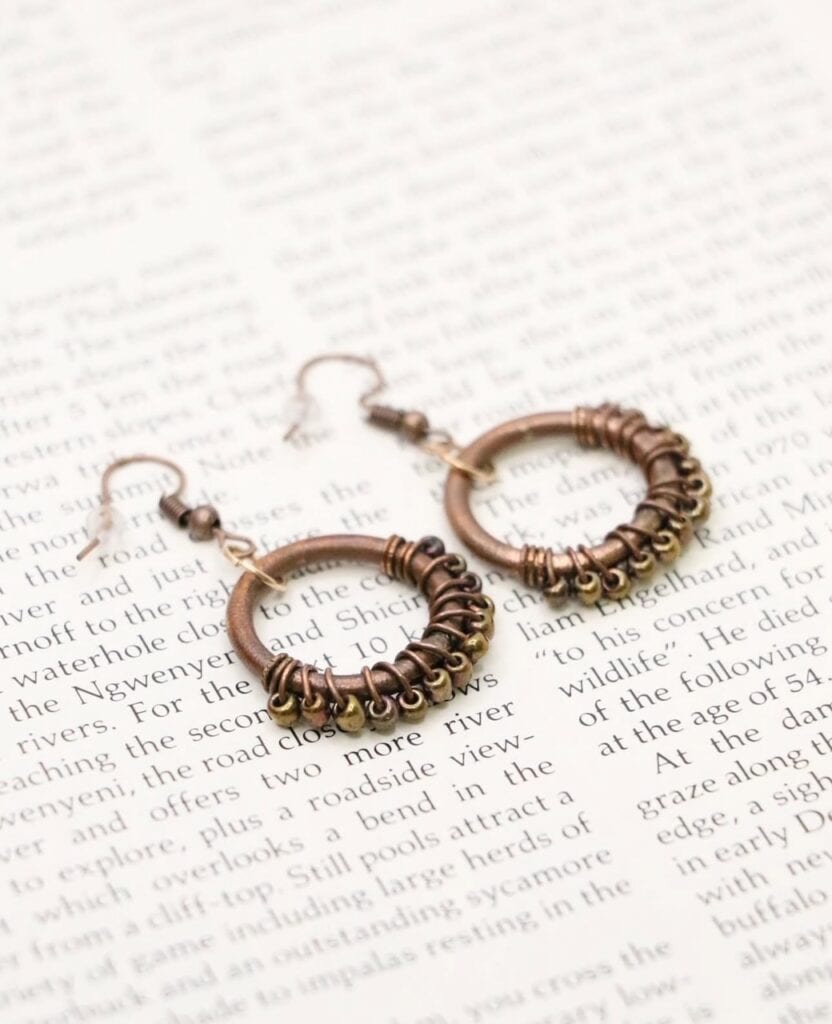
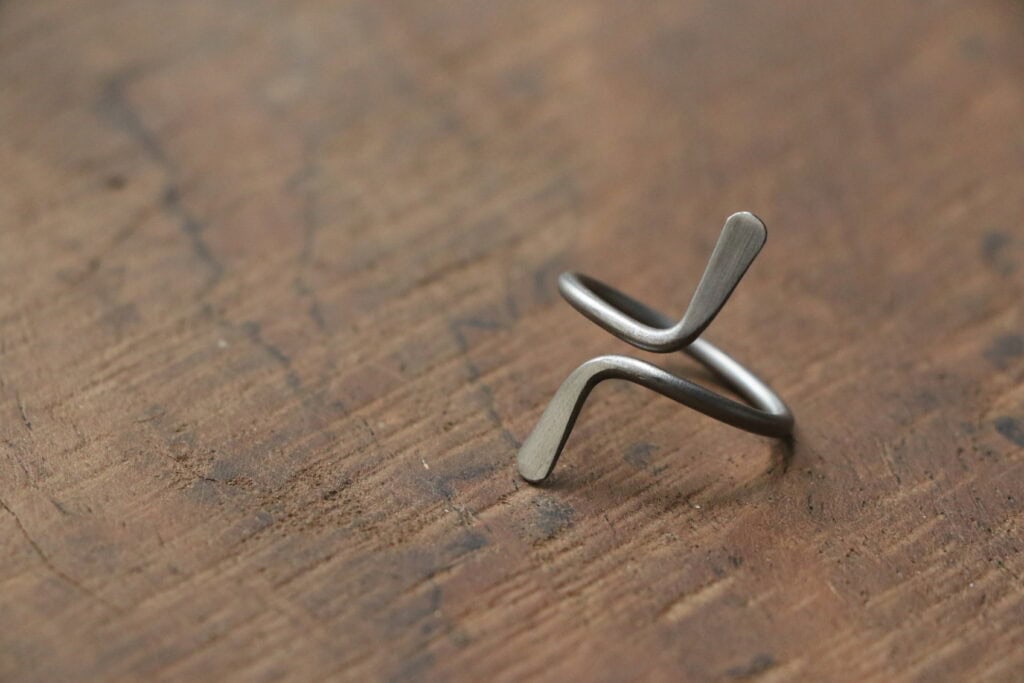
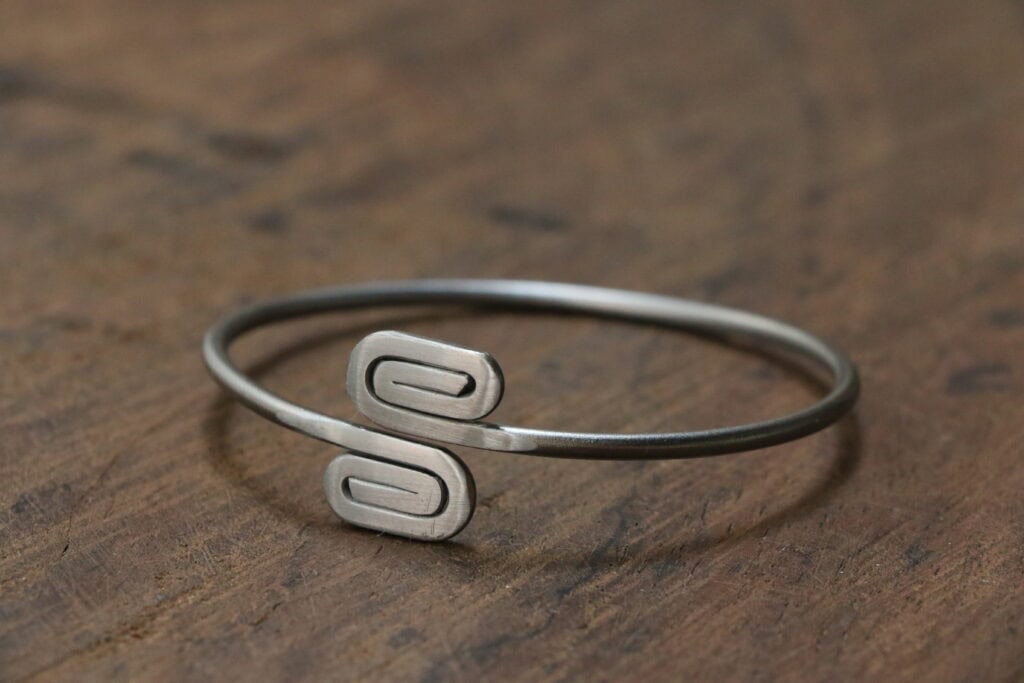
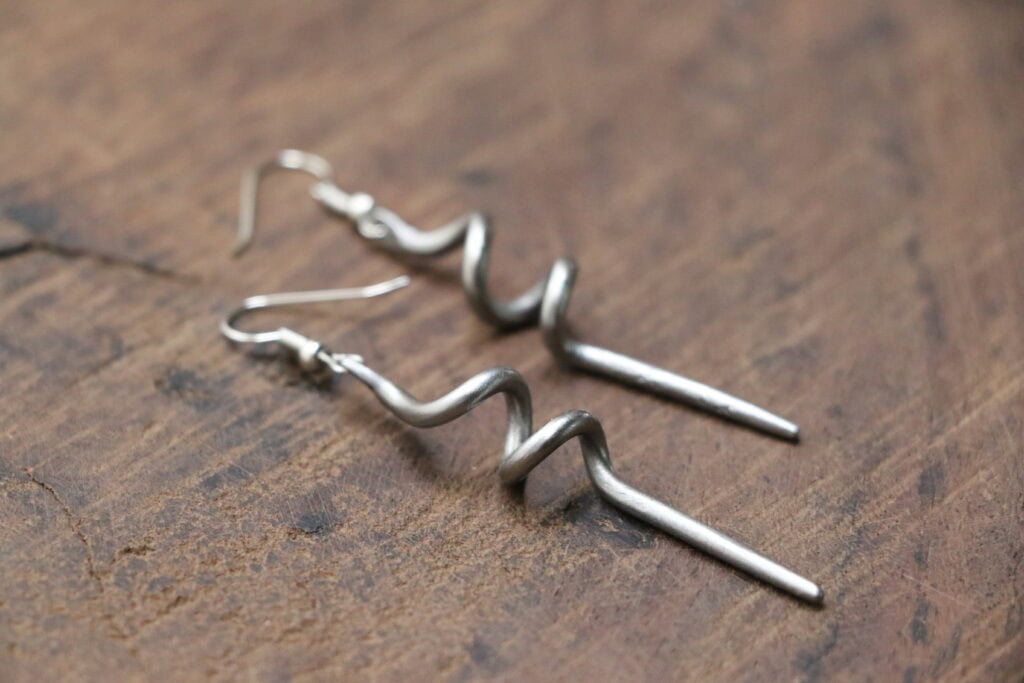
Yet beneath this stillness lies a harsher reality. Conservation is not only about protection, but about confronting the remnants of harm left behind. Wire snares, once set to trap wildlife, remain scattered across the land. Therefore, it is from this tension that Down to the Wire emerges. A jewellery brand that transforms these discarded snares into wearable objects. Ultimately, reshaping symbols of violence into acts of creativity and resistance.
Thula Thula: A Vision Built on Trust
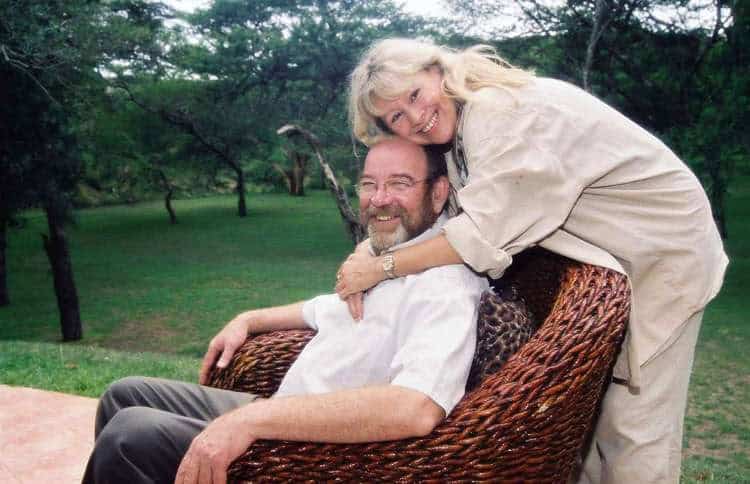
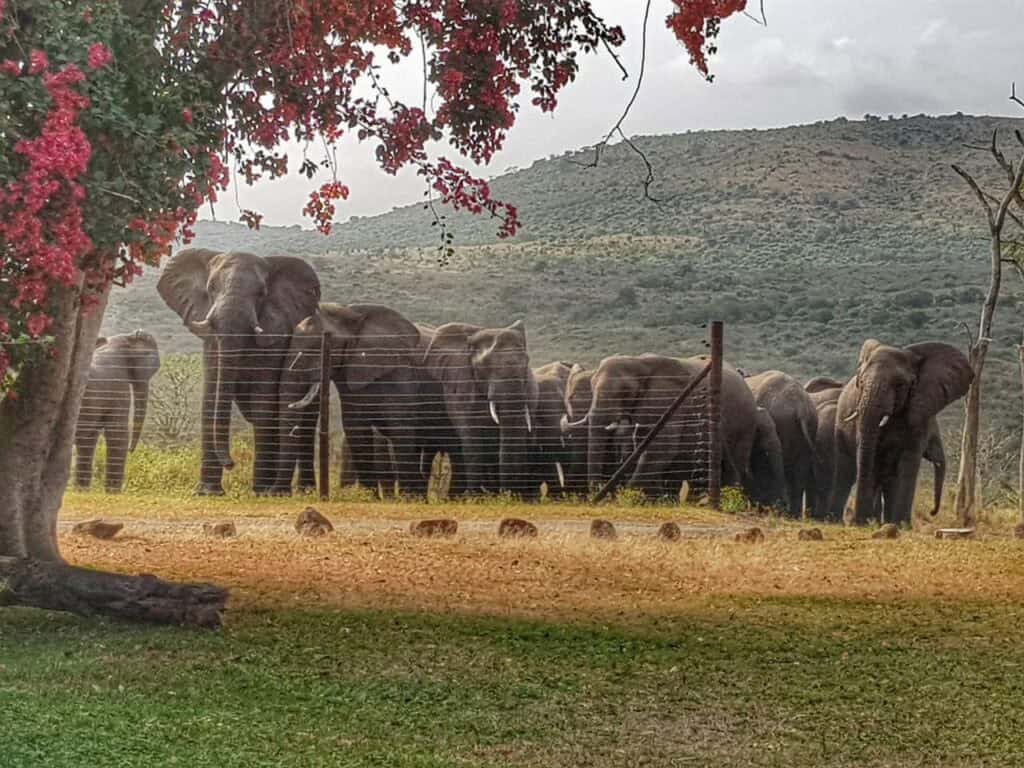
Once a hunting reserve, Thula Thula was purchased in 1998 by Lawrence and Françoise Malby-Anthony. They had the vision of transforming the land into a safe haven for wildlife. Their most profound achievement came through the rescue of a troubled herd of elephants. The elephants were saved from death through patience and trust. This formed a bond so deep that, as Françoise later reflected after Lawrence passed away, “when my husband’s heart stopped, something stirred in theirs, and they crossed miles and miles of wilderness to mourn with us, to pay their respects just as they do when one of their own has died.”
The Crisis of Snare Poaching
Illegal snare poaching affects all species, from elephants to birds. Poachers trespass onto protected land and set wire nooses that tighten as animals struggle. They often cut deep into skin and bone. However, snaring now extends beyond herbivores, with predators increasingly targeted for the illegal bone trade. In South Africa, the crisis is intensifying. Snaring incidents rose by more than 200 percent between 2020 and 2022. Meanwhile, rhino poaching remains relentless. Poachers killed 103 rhinos in the first three months of 2025 alone.
Where Conservation Meets Creativity
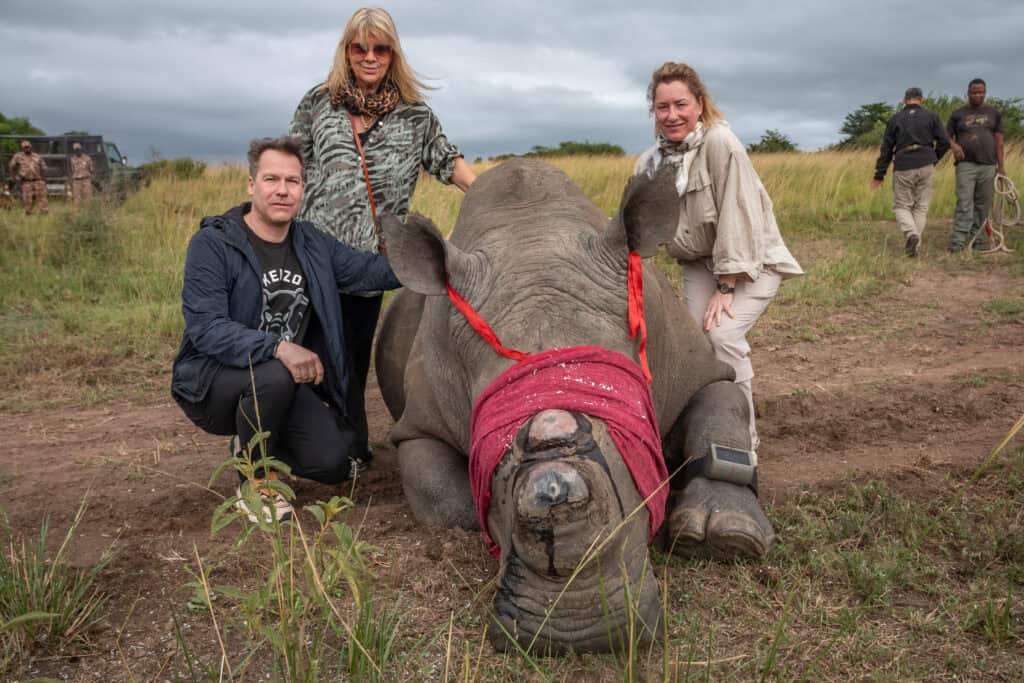
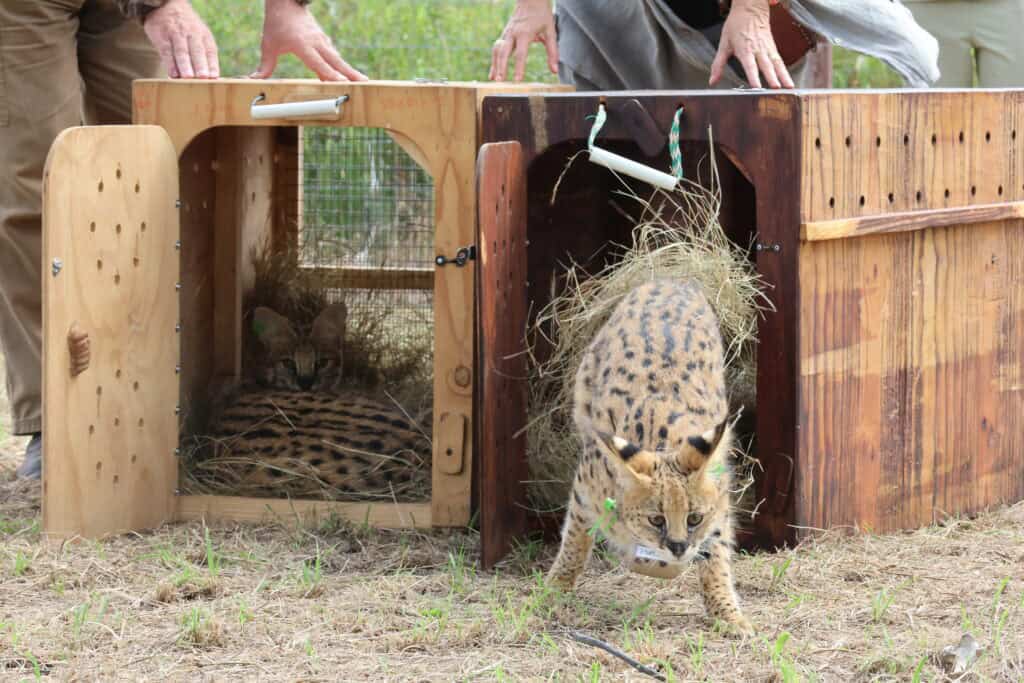
This reality, therefore, underscores the urgent need for conservation action. As a result, it makes the work of both Thula Thula and Down to the Wire essential. Firstly, on the ground, Thula Thula works tirelessly to protect wildlife by implementing anti-poaching initiatives, habitat expansion, rehabilitation programmes, and long-term conservation planning. Secondly, beyond the reserve, Down to the Wire extends this work into the creative sphere. They do this by reclaiming discarded wire snares and transforming them into one of a kind jewellery and curio objects. In doing so, the brand prevents snares from being reused for harm. Futhermore, each piece helps support rescue operations and contributes to essential veterinary care for animals injured by snaring. Additionally, it raises awareness about the devastating impact of illegal poaching.
The Responsibility We Share
Together, these efforts demonstrate how conservation can exist both in the field and in everyday life through action, creativity, and collective responsibility. Yet, as Lawrence Anthony observed, “people, it appeared, were more interested in the private lives of celebrities than in the desperate fight for survival by some of the earth’s major life forms.” This reality places responsibility on all of us. Through volunteering, contributing to conservation initiatives, or supporting brands that actively give back, individuals can help shift attention toward what truly matters and play a meaningful role in the ongoing fight against poaching.
Share this post

Leah Ermann is a South African Fashion Business student whose identity and vision are deeply rooted in the landscapes, cultures, and contradictions of her home country. Growing up in South Africa meant being constantly aware of extremes. These realities shaped her sensitivity to the world around her and challenged her understanding of fashion as something far beyond surface-level beauty. In a place where many people are fortunate simply to own a pair of shoes, Leah learned early on that clothing carries meaning, privilege, and responsibility.
Alongside this awareness grew a profound connection to nature and conservation, spending a lot of time in the bush deepened her understanding of the impact humans have on endangered wildlife and fragile ecosystems. Leah sees fashion as a silent but powerful language, a way to express identity, values, and cultural stories without words.
She is driven by a desire to explore the deeper meanings behind collections, to learn from new cultures, and to use fashion as a platform to amplify South African creativity, resilience, and humanity. Ultimately, her goal is to create work that not only reflects where she comes from whilst learning about other cultures, but also contributes to change, honoring both people and the natural world that shaped her.
Read Next