Tisser, Broder, Sublimer Exhibition at the Palais Galliera
Dounia Baco
Fashion Exhibition in Paris 2025: “Tisser, Broder, Sublimer” at the Palais Galliera (2025–2026)
Paris once again confirms its status as the world capital of culture and fashion. While major exhibitions attract visitors to the Grand Palais and the Musée du Louvre, one event clearly stands out this season: the renowned fashion exhibition in Paris entitled “Tisser, Broder, Sublimer.” This exhibit is on view at the Palais Galliera from December 13, 2025 to October 18, 2026, and is widely recognized as the Tisser Broder Sublimer Palais Galliera exhibition.
This major fashion exhibition in Paris 2025 to 2026 highlights the art, skill, and creativity that have shaped clothing from the 18th century to today. Above all, it invites visitors to look beyond trends and discover the hands and techniques behind each garment, skills that truly make “Tisser, Broder, Sublimer” the art of fashion.
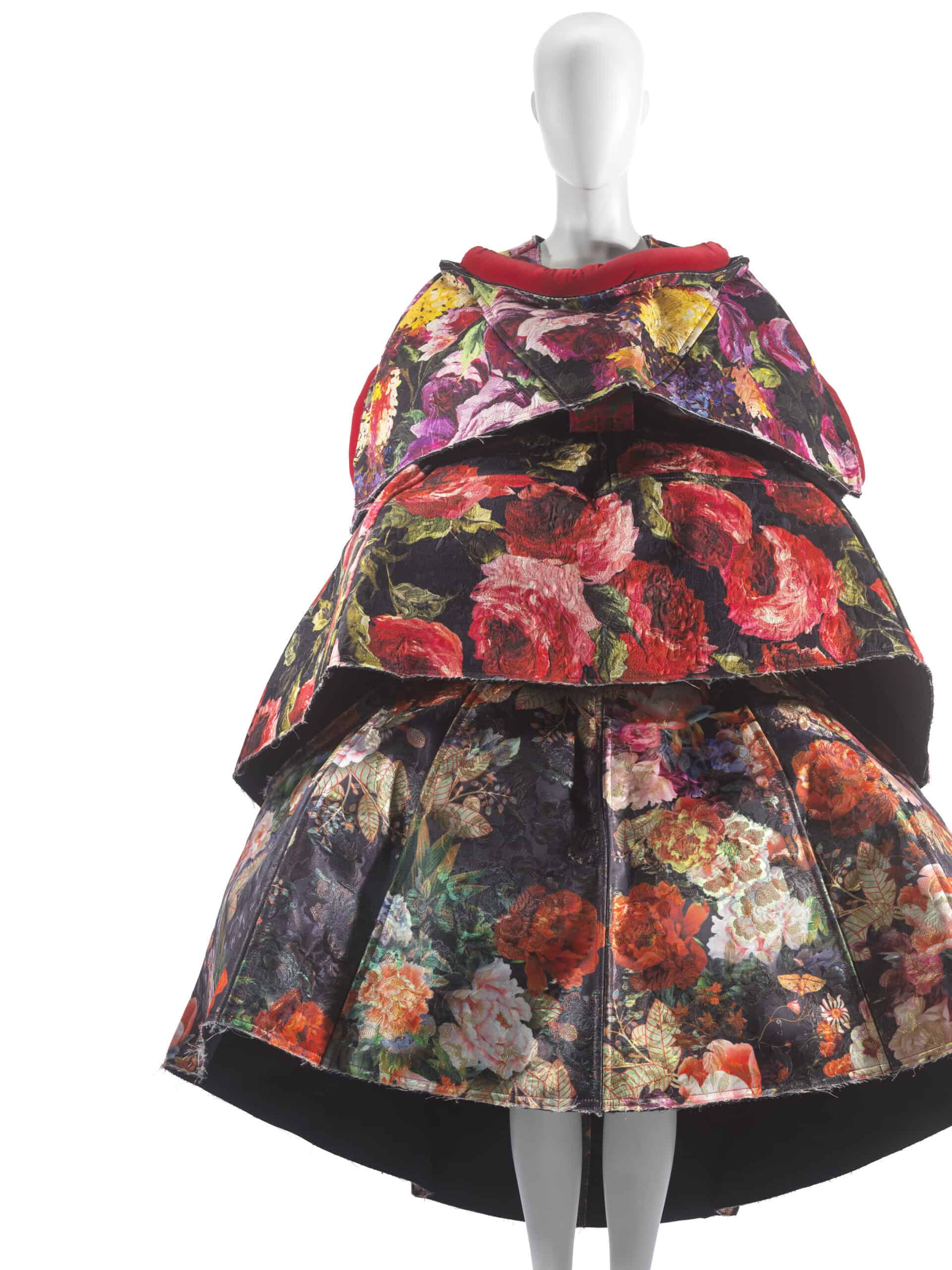
A Celebration of Craftsmanship at the Tisser Broder Sublimer Palais Galliera Exhibition
First of all, the exhibition is part of a wider program dedicated to the métiers d’art, the crafts behind haute couture. Through three chapters, the museum explores weaving, dyeing, embroidery, lace-making, feather work, and floral decoration, all highlighted in this exceptional Paris fashion exhibition.
Rather than focusing only on silhouettes, the exhibition places craftsmanship at the center. As a result, visitors understand how fabric becomes art.
Every thread has meaning. Every detail reflects hours of careful work. Moreover, the scenography creates a strong visual impact. Silk contrasts with velvet. Metallic threads reflect the light. Lace appears almost weightless. In this way, materials themselves tell a story, reinforcing why the Tisser Broder Sublimer Palais Galliera exhibition is such a significant cultural event.
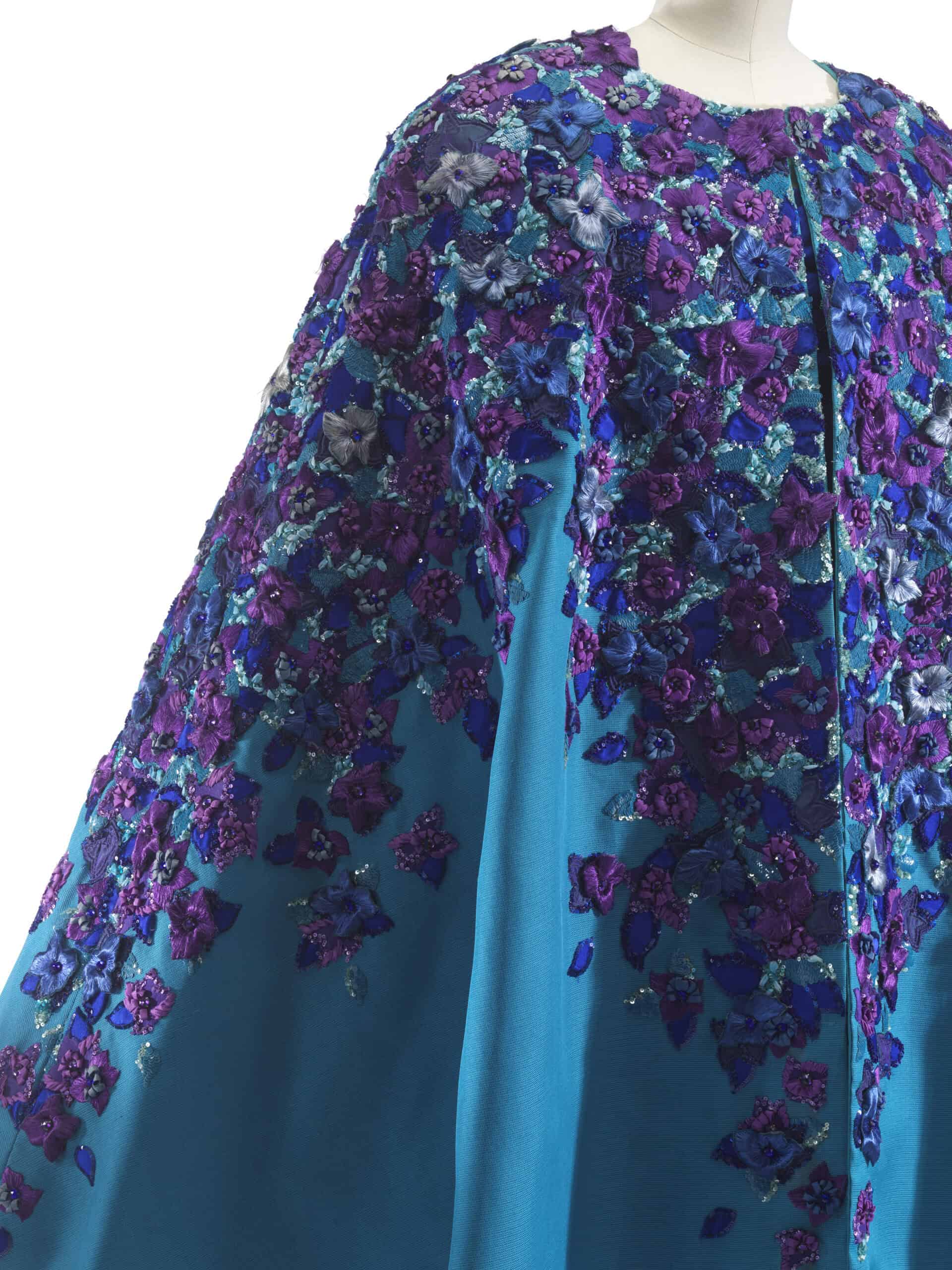
The Power of Floral Motifs
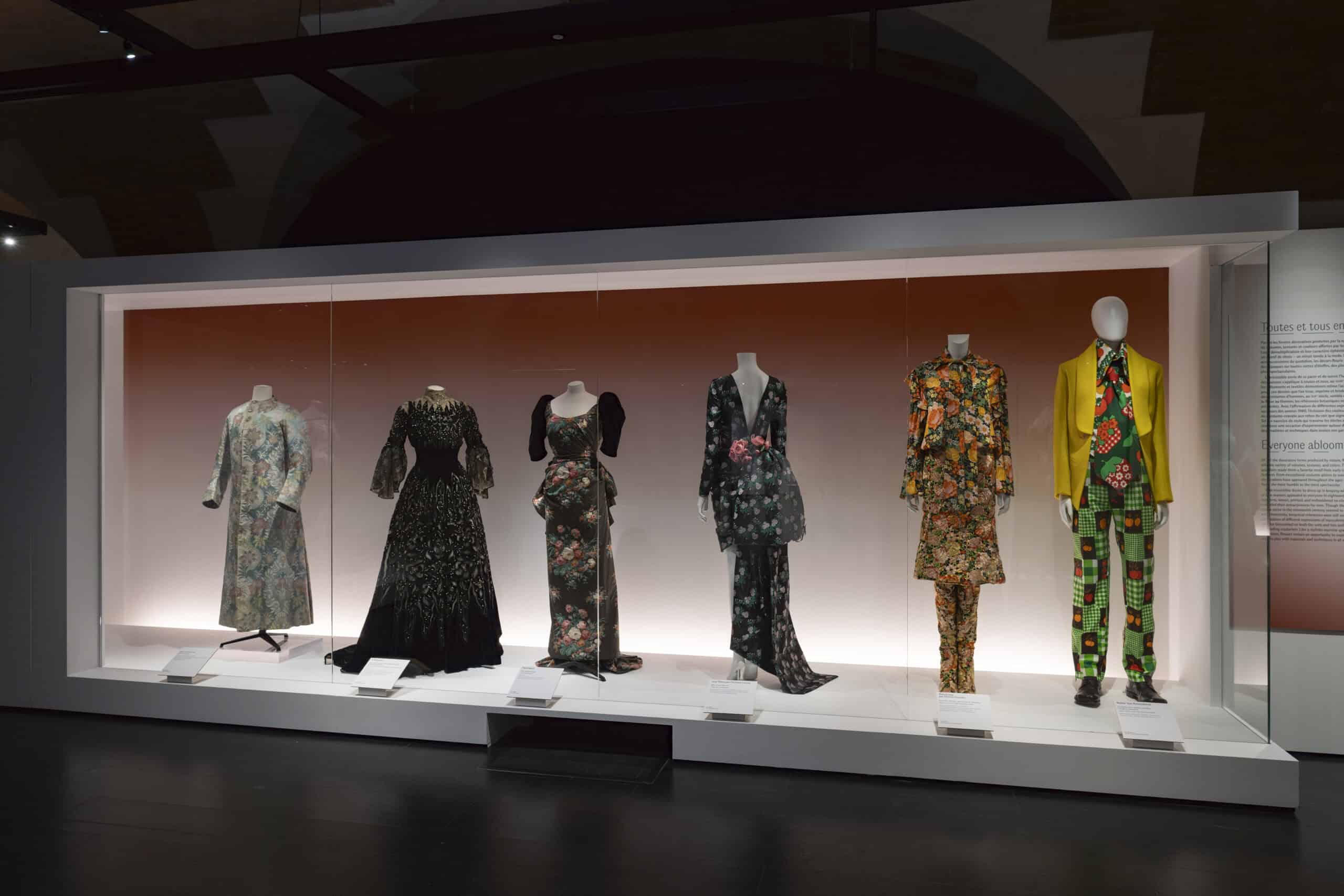
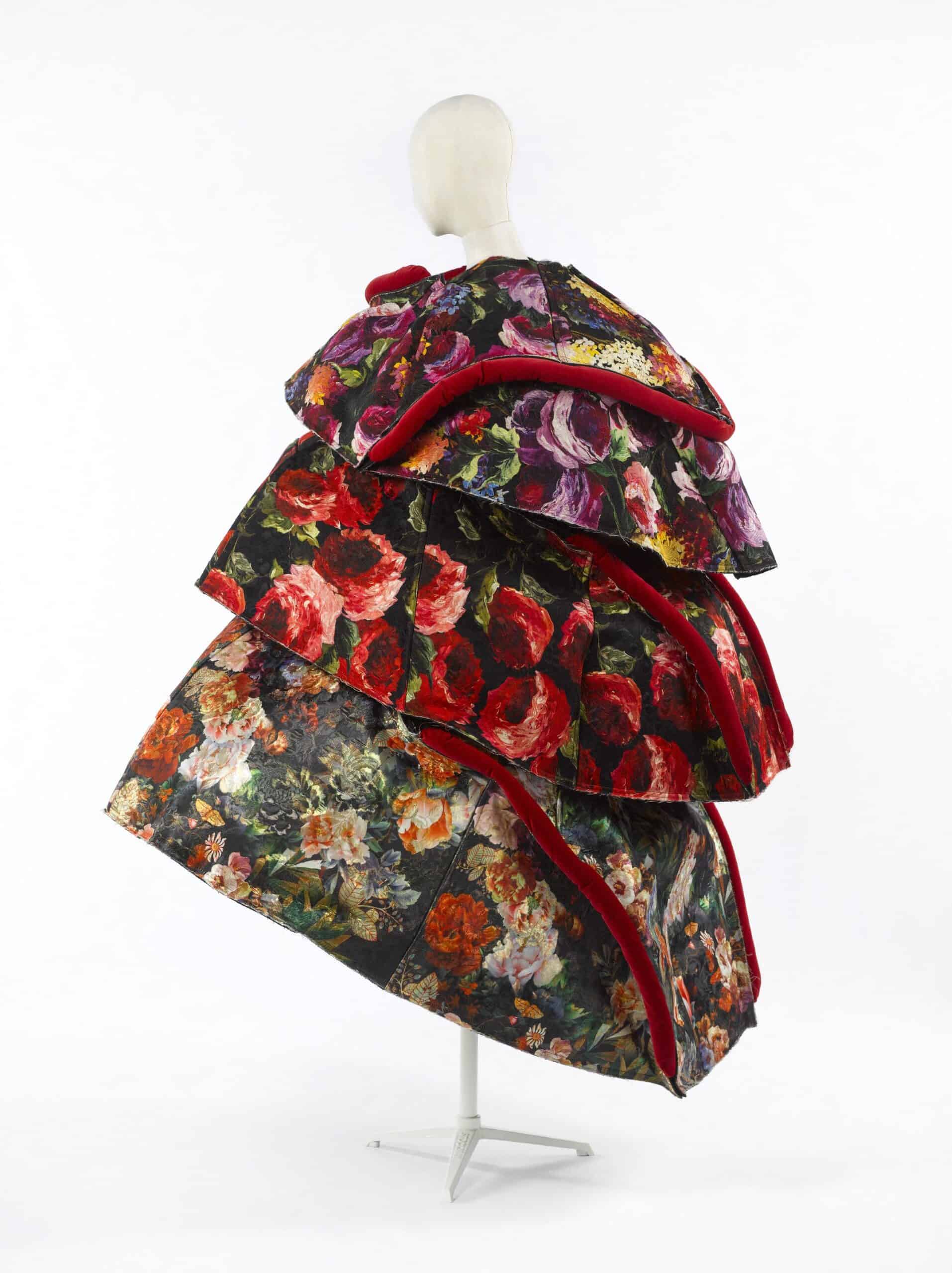
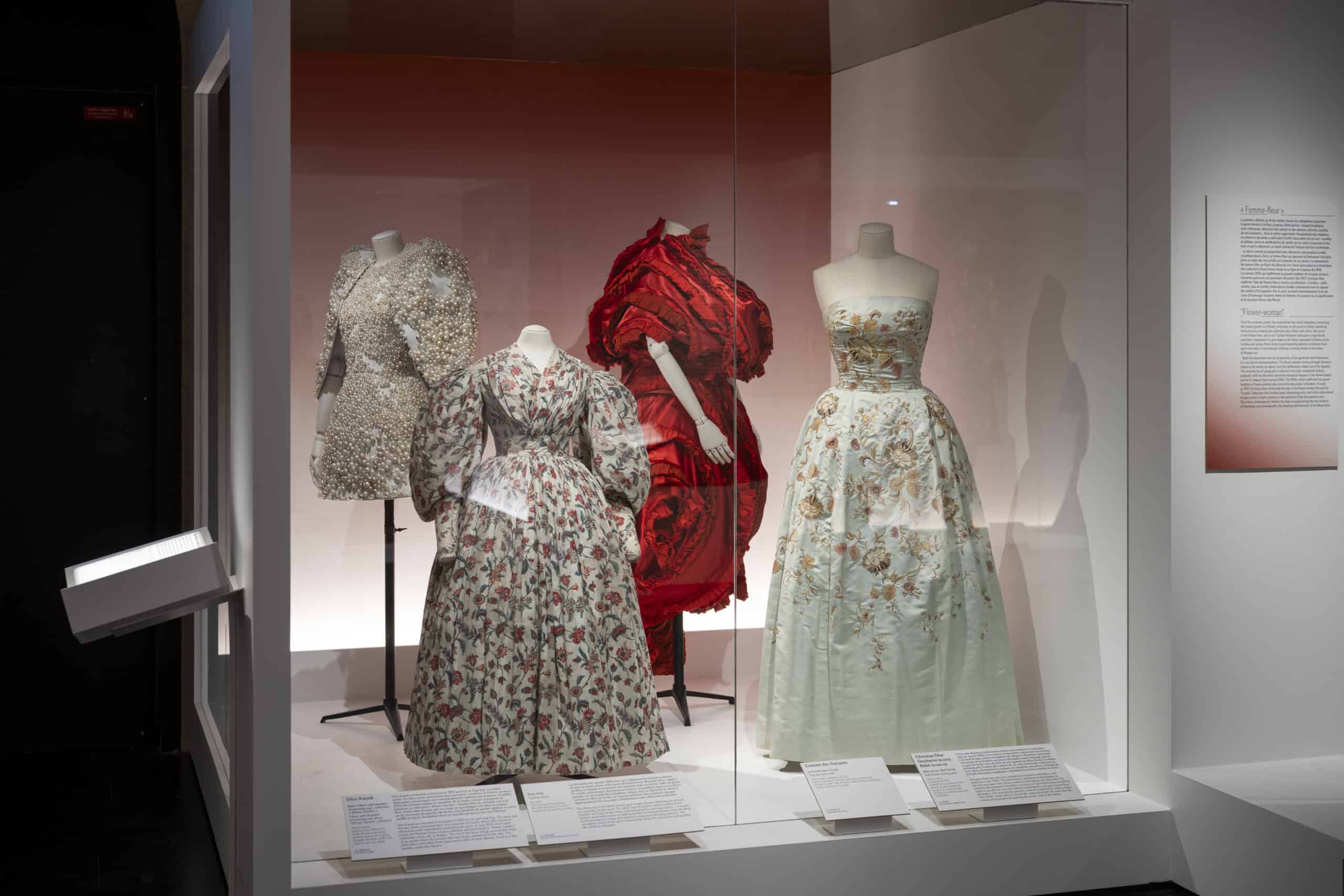
Among all decorative themes, flowers hold a special place. Indeed, nature has always inspired fashion. Across centuries, floral patterns have appeared on both simple cotton garments and luxurious silks presented in this Paris exhibition.
In the 18th century, both men and women wore botanical designs. Later, during the 19th century, menswear became more restrained. However, floral motifs never disappeared. In the 1960s, for example, bold flower patterns returned, reflecting social change and new identities.
In 1947, Christian Dior introduced the “Corolle” silhouette, inspired by the shape of a flower. Since then, designers have continued to reinterpret floral dresses in modern ways. Therefore, flowers remain a powerful symbol of elegance and renewal, a theme beautifully illustrated throughout the Tisser Broder Sublimer Palais Galliera exhibition.
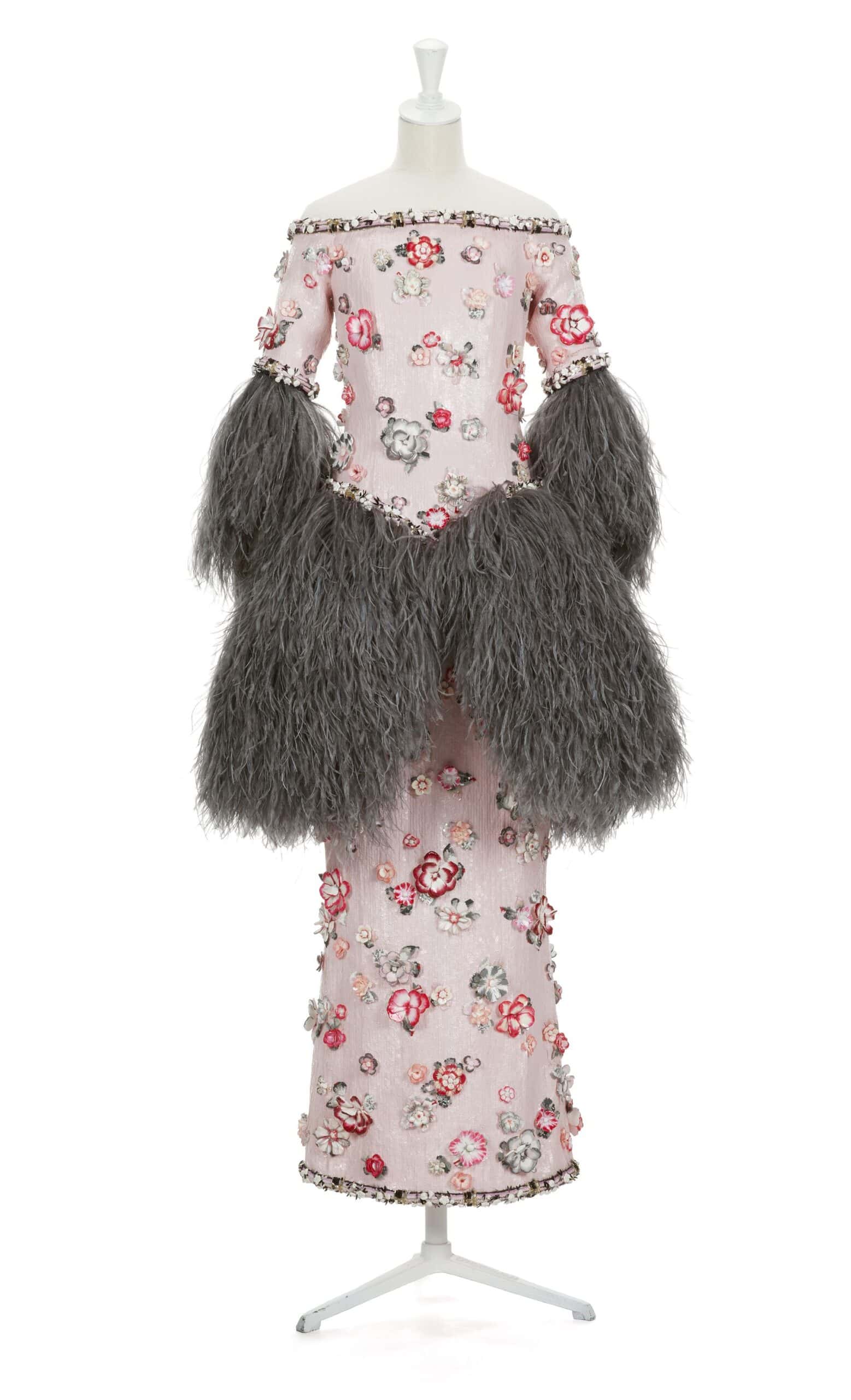
A Global Textile Story
In addition, the exhibition shows how textiles traveled across continents. Trade routes between Europe and Asia brought new fabrics, colors, and techniques to France, enriching what would become a world-class fashion capital.
As a result, Paris became a center of innovation. Imported textiles inspired hybrid designs that blended foreign patterns with French aesthetics. Consequently, fashion became a dialogue between cultures.
Each fabric tells a story of exchange. The intensity of color, the rhythm of patterns, and the weaving style often reveal distant origins. Thus, craftsmanship connects history, geography, and art, a connection clearly demonstrated in the Tisser Broder Sublimer Palais Galliera exhibition.
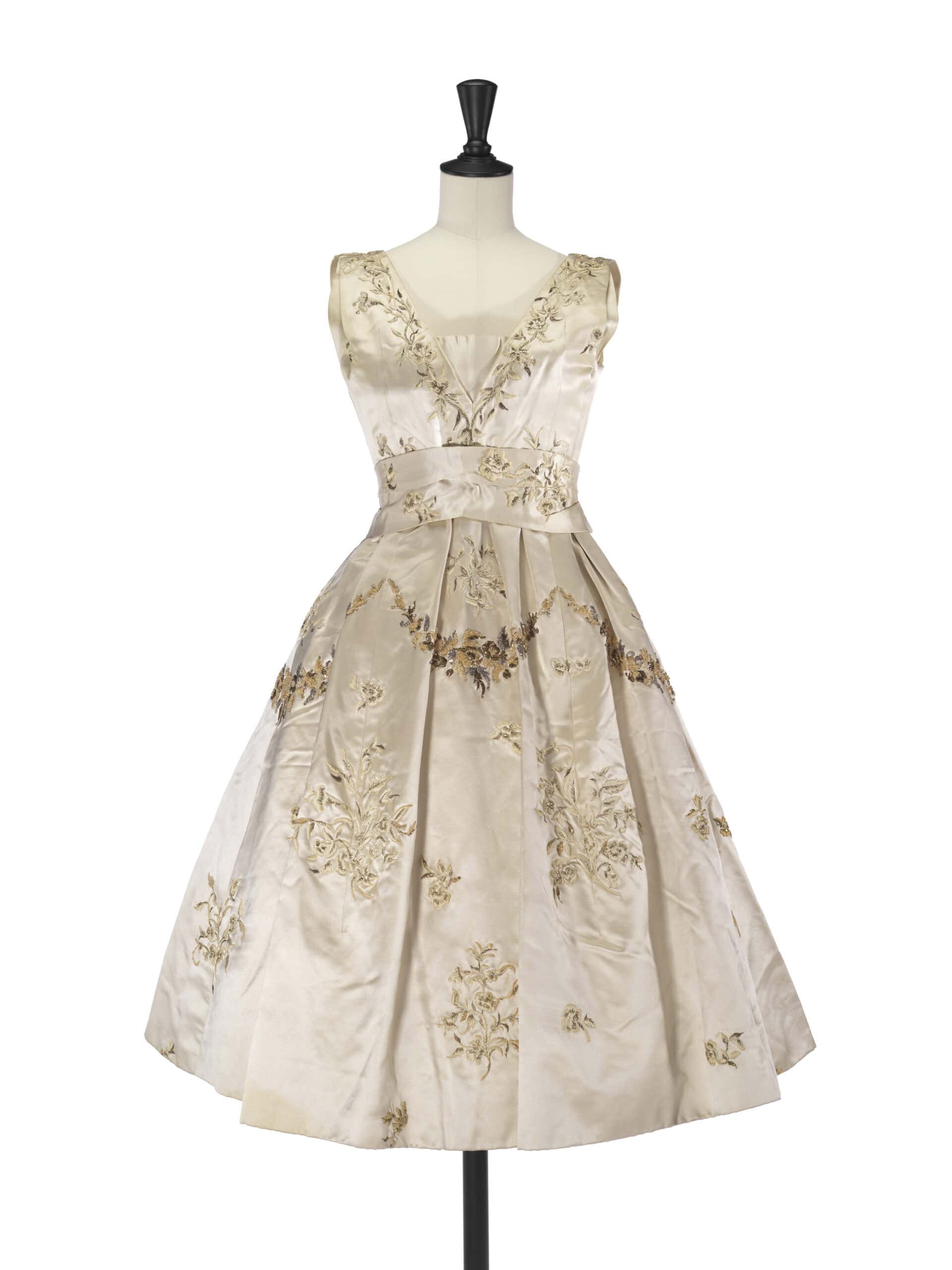
From Weaving to Embroidery
The first chapter focuses on essential decorative techniques. These include weaving, textile printing, embroidery, lace-making, and artificial flower creation, all showcased in this Paris fashion exhibition.
For instance, the invention of the Jacquard loom in Lyon in 1801 transformed silk production by allowing more complex and detailed patterns. Similarly, dyeing and printing techniques evolved over time, moving from simple immersion methods to more advanced processes.
Embroidery, meanwhile, adds texture and light. Beads, sequins, and silk threads create movement on fabric. Famous ateliers such as Lesage continue to elevate embroidery to the highest level of haute couture, making this exhibition a remarkable opportunity to witness their artistry.
Finally, lace and artificial flowers add softness and depth. They capture the beauty of nature while showcasing extraordinary technical skill.
Craft as a Creative Force
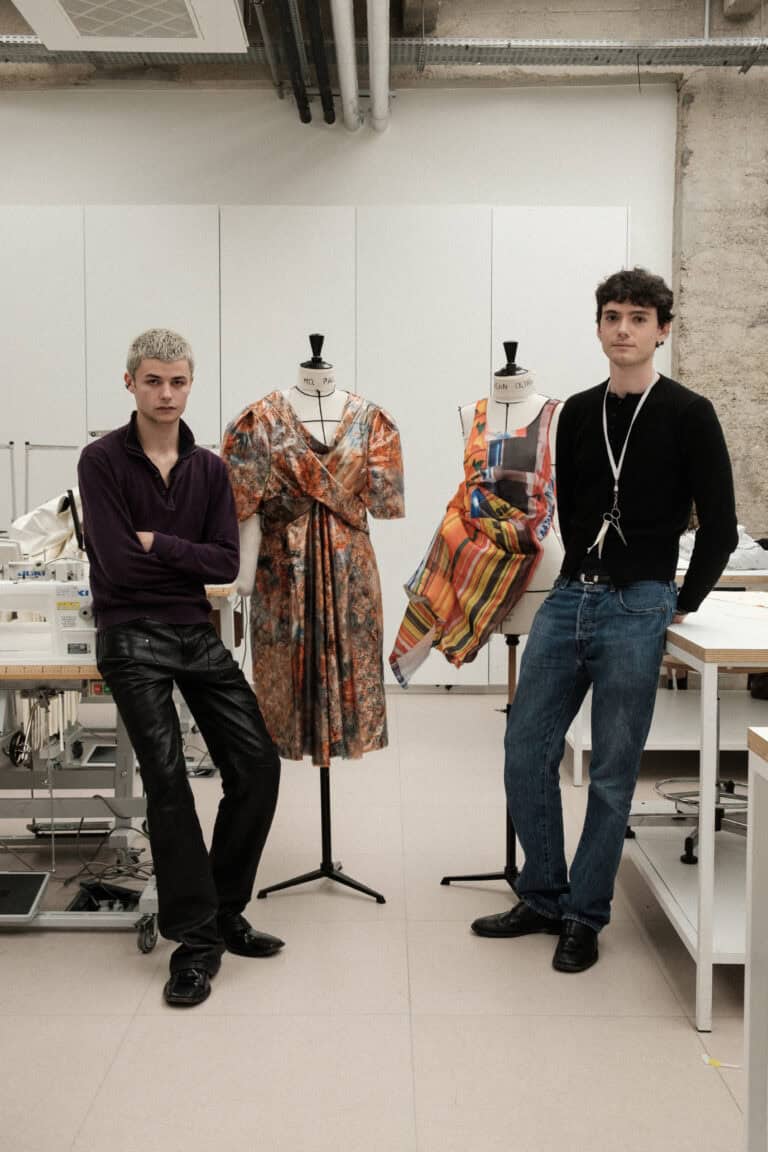
Ultimately, Parisian haute couture depends on collaboration. Designers work closely with skilled artisans, including embroiderers, lace makers, and textile experts. These creative partnerships are central to the story told in the Tisser Broder Sublimer Palais Galliera exhibition.
These artisans do more than execute ideas. On the contrary, they innovate and experiment. Because of them, tradition continues to evolve.
Through immersive design and clear storytelling, “Tisser, Broder, Sublimer” honors both heritage and modern creativity. For this reason, it is undoubtedly the must-see fashion exhibition in Paris 2025.
Visitors leave with a deeper understanding of texture, color, and craftsmanship and with a renewed appreciation for the art of fashion.