Vogue Africa: The Continent Vogue Forgot
Leah Ermann
The Absence that Feels Loud
Vogue maps the global fashion world, yet one continent remains a blank space. Africa does not appear. In an industry obsessed with youth, originality, and cultural relevance, this absence feels impossible to ignore. Africa is young, creative, and deeply fashion literate. Its designers influence global runways, its aesthetics travel worldwide, and the ideas shapes trends season after season. Still, the industry’s most powerful magazine looks away. The question remains why?
Vogue Africa: When Diversity Becomes an Excuse
The African fashion industry is often labelled “emerging,” yet the data says otherwise. In reality, Africa is home to over 1.4 billion people, with a median age of just 19, making it the youngest continent globally. This youth drives constant creative production and cultural influence. Meanwhile, the continent hosts more than 30 fashion weeks annually, including Lagos, Johannesburg, Dakar, Accra, and Nairobi. At the same time, African designers appear at major fashion weeks in Paris, Milan, London, and New York. The sub-Saharan African fashion and textile market exceeds $30 billion, confirming its economic and cultural weight. Africa’s designers already shape global fashion, matching exactly the level of influence a Vogue Africa could showcase.
One Continent, Too Many Stories?
Critics often argue that Africa is simply too diverse for a single vogue edition. The continent spans 54 countries, thousands of cultures, and between 1,500 and 2,000 languages. Religious, social, and fashion traditions shift dramatically from region to region. However, this argument only goes so far. Vogue Arabia faced a similar challenge by covering multiple countries under one title, yet avoided erasure by using rotating local contributors, region specific editorials, and a pan-regional editorial vision. Still, Africa’s diversity is framed as a limitation rather than an opportunity. With the right structure, Africa might even become the most compelling edition of Vogue.
The Problem Isn’t Capability. It’s Commitment
The absence of Vogue Africa is often justified through conversations about infrastructure, distribution, or market readiness. However, these explanations only go so far. The real hesitation lies in power and perception. Launching a Vogue Africa would require Condé Nast to trust local editorial leadership, that might not have enough experience. However, appointing an editor from overseas results in the risk of diluting local nuance. Yet these explanations ignore a more practical solution. An overseas editor would not have to dilute local nuance. Instead, they could act as a temporary bridge, bringing institutional knowledge while working alongside African editors, photographers and writers. Over time, leadership, could transition fully to local voices. The real hesitation, then, is not capability, but commitment.
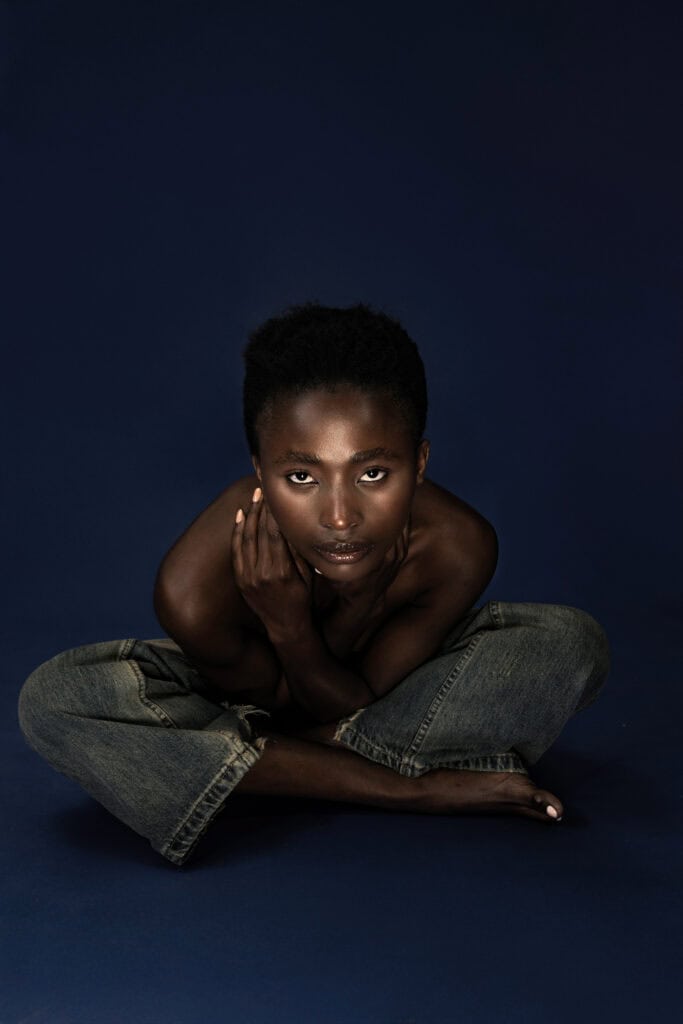
Vogue Doesn’t Validate Africa — Relevance Does
Whether Africa can support Vogue is beside the point. Vogue must now ask whether it can afford to ignore Africa. The continent does not need validation from a magazine built elsewhere. Its fashion industry already moves culture forward. For this reason, the launch of Vogue Africa would challenge assumptions and redefine relevance. A Vogue Africa would not be perfect. Neither was any first edition. Still, relevance has always belonged to those willing to take the risk of showing up.
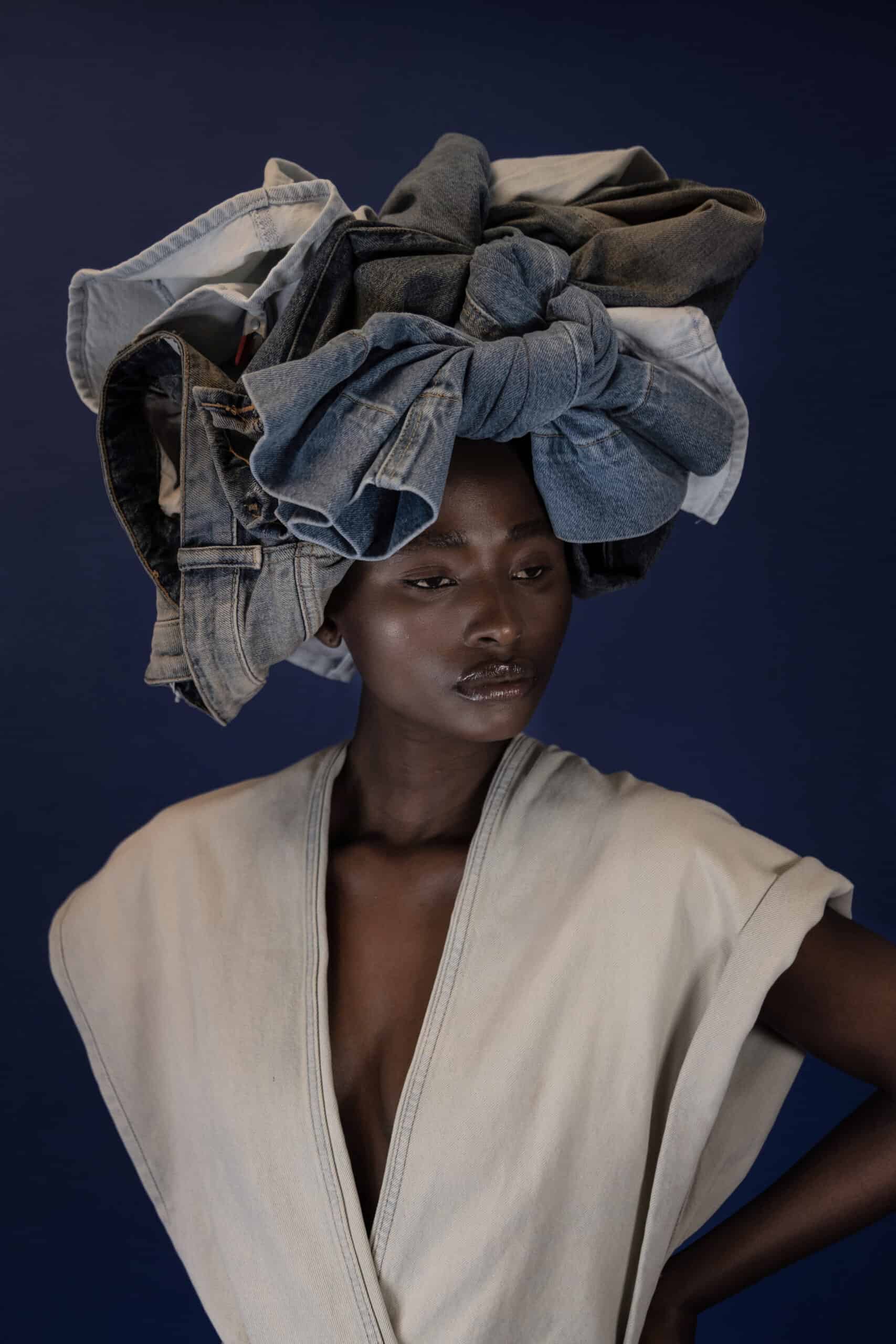
Model: Diane U
Photographer: French Cowboy (Mia Macfarlane and Julien Crouigneau)
Stylist: Kahina Melchane
Assistant photographer: Amélie Jouison
Share this post
Leah Ermann is a South African Fashion Business student whose identity and vision are deeply rooted in the landscapes, cultures, and contradictions of her home country. Growing up in South Africa meant being constantly aware of extremes. These realities shaped her sensitivity to the world around her and challenged her understanding of fashion as something far beyond surface-level beauty. In a place where many people are fortunate simply to own a pair of shoes, Leah learned early on that clothing carries meaning, privilege, and responsibility.
Alongside this awareness grew a profound connection to nature and conservation, spending a lot of time in the bush deepened her understanding of the impact humans have on endangered wildlife and fragile ecosystems. Leah sees fashion as a silent but powerful language, a way to express identity, values, and cultural stories without words.
She is driven by a desire to explore the deeper meanings behind collections, to learn from new cultures, and to use fashion as a platform to amplify South African creativity, resilience, and humanity. Ultimately, her goal is to create work that not only reflects where she comes from whilst learning about other cultures, but also contributes to change, honoring both people and the natural world that shaped her.
Read Next